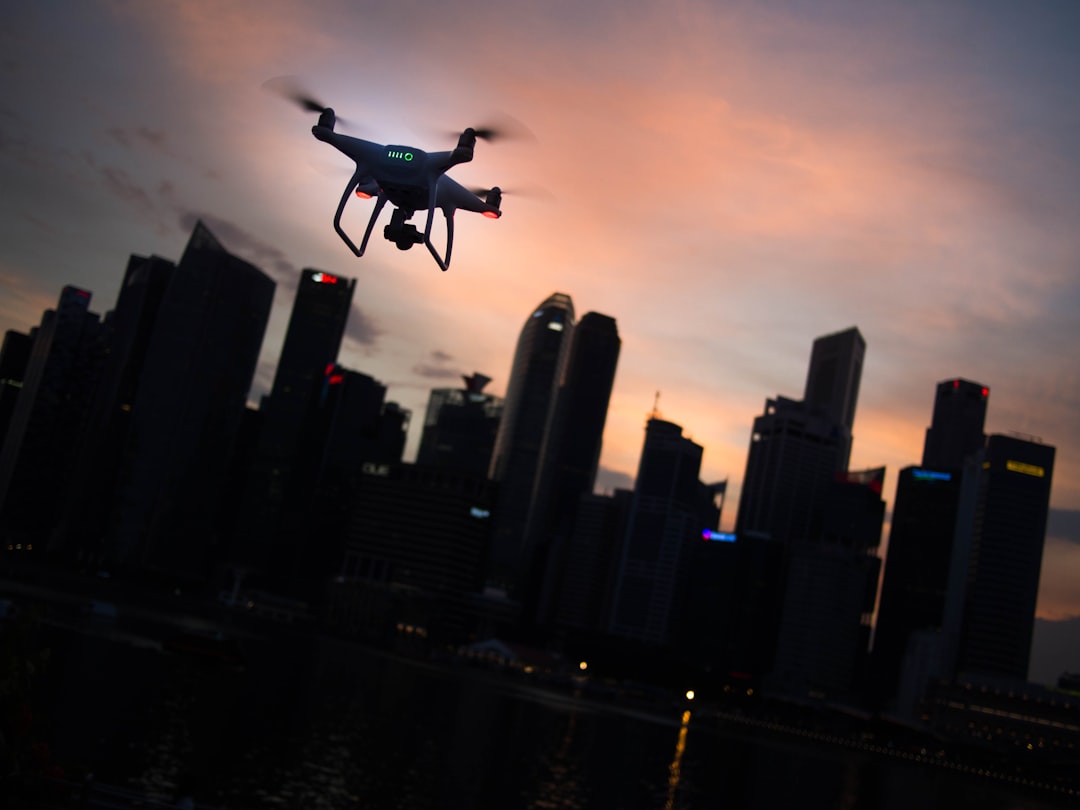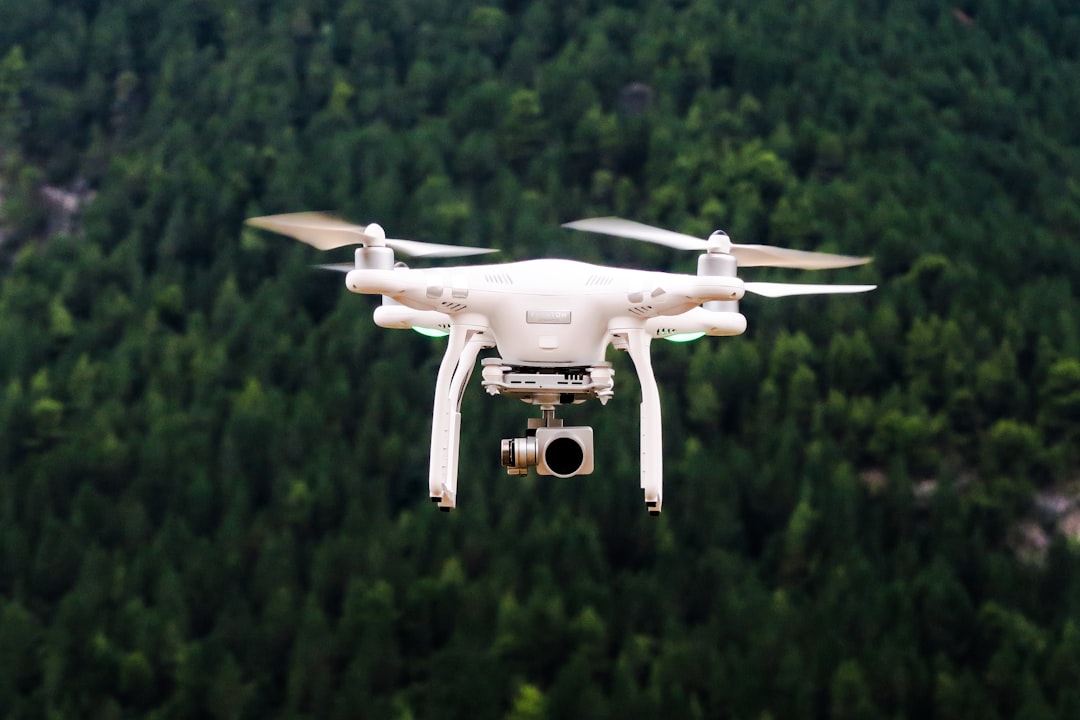
DroneSense is a drone management platform built for police, fire and emergency agencies. It streams live drone video to commanders, supports remote Drone as First Responder (DFR) flights, and keeps flight, pilot and aircraft records. Versaterm has owned it since July 2025, and it is licensed per aircraft, per year, through a quote or a reseller.
DroneSense is a long-running name in public safety drone software. Police departments such as Cookeville and Murfreesboro in Tennessee use it so that pilots fly from the DroneSense app while analysts and commanders watch the live feeds.
People search for it for different reasons. Agencies want to know what it does and what it costs. Existing users want to know what the 2025 acquisition changed, and how it relates to Axon Air. And commercial operators who sell drone services to agencies want to know whether it fits them too. This guide covers all three: what the product is, what agencies have actually paid for it, who owns it now, and the parts of a drone operation it was never designed to run.
Table of contents
- What is DroneSense?
- The DroneSense modules
- Supported drones and license classes
- DroneSense pricing: what agencies actually pay
- Who owns DroneSense? Axon, Versaterm and Aloft
- Questions to ask before you sign or renew
- What DroneSense is not built for
- DroneSense vs an operations platform
- Frequently asked questions
What is DroneSense?
DroneSense is situational awareness and program management software for public safety drone operations. Based in Austin, Texas, it connects the pilot's controller, the incident command post and the agency's records in one system, so a drone's video and position reach everyone who needs them during an incident.
Its design starts from the incident, not the flight. A pilot at a barricaded-subject call, a battalion chief at a structure fire and an analyst in a real-time crime center all look at the same live picture. That is the problem DroneSense set out to solve, and it is why the product is organised around streaming, collaboration and command rather than mapping or data processing.
It also covers the administrative side of running a program: logging flights, tracking pilots, recording aircraft hours. But the centre of gravity is live response. If you want the wider context of how agencies build these programs, including how agencies get FAA authorization, start with our drones for first responders guide.
The DroneSense modules
DroneSense is sold as one platform made of four main pieces: Pilot, OpsHub, AirBase and Remote. Each serves a different person in the agency.
DroneSense Pilot. The flight app on the controller or tablet. It flies supported aircraft, logs every flight automatically, shows telemetry such as height, speed and position, toggles between thermal and visual cameras, and pushes the live feed out to the rest of the platform. Automatic logging matters more than it sounds; manual logbooks are where agency records usually fall apart, the same problem covered in our flight log automation guide.
DroneSense OpsHub. The command view. Commanders and crime center analysts see multiple live feeds on a map with weather overlays, custom map objects and feature layers. A "Magic Video Link" lets an agency share a feed with a cooperating agency by text or email without handing over telemetry. Mobile Streaming and Tracking (MSAT) turns a phone or tablet into a node, so ground officers appear on the map too.
DroneSense AirBase. The system of record: personnel, missions, flights and hardware, with usage logs and location tracking for each aircraft. This is where a program manager answers "how many hours does this airframe have" and "which pilots flew last month." It also holds maintenance and training records and tracks pilot certifications and their expiration dates.
DroneSense Remote. The DFR piece. A remote pilot launches an aircraft from a dock or rooftop to a 911 call and streams to the command center, without anyone driving to the scene. DroneSense points agencies to DroneSense Academy courses for training, and runs in-person Fly Days that demonstrate DFR operations live. Versaterm says the platform meets SOC 2 Type II, ISO 27001 and CMMC 2.0 Level 2, which matters for agencies handling criminal justice data.
Supported drones and license classes
DroneSense is hardware-agnostic: it supports DJI, Autel, Skydio, Parrot and several US-built aircraft, and licenses them by class. That breadth is one of its real strengths in a market where some platforms only speak one manufacturer's protocol, a limitation we covered in DJI FlightHub 2.
Per Versaterm's DroneSense page, supported aircraft include Blue UAS-cleared models (Parrot ANAFI UKR, Skydio X10, Inspired Flight IF800 and IF1200A, Freefly Astro Max, Vantage Robotics Vesper 2 and Trace), Fotokite tethered systems (which Versaterm notes are not Blue UAS-certified), plus DJI Matrice 4TD, M3T, Matrice 30, M300/M350 RTK, Avata 2 and DJI Dock 1, 2 and 3, and Autel EVO Max 4T/4N and EVO II Pro.
Resellers sell annual licenses per aircraft, grouped into classes:
| License class | Covers | Examples |
|---|---|---|
| Class N | Sub-250 g aircraft | Small indoor and tactical drones |
| Class 1 | Core small UAS | DJI Mavic series, Autel EVO II, Parrot |
| Class 2 | Larger enterprise platforms | DJI Matrice series, Autel EVO Max 4T/4N |
Two operational details are worth knowing before you plan a fleet. First, if you plan to add docks, ask how docked flights will appear alongside the rest of your fleet records before you commit. Versaterm lists DJI Dock 1, 2 and 3 among its supported hardware. Second, agencies still flying DJI need to track the FCC Covered List changes of December 2025, which block new FCC authorizations for foreign-made drones but, per the FCC, do not prohibit the import, sale or use of models it had already authorized. Our US foreign drone ban explainer covers what that means for fleet replacement.
DroneSense pricing: what agencies actually pay
DroneSense does not publish prices on its own site. Licensing is per aircraft per year by class, with setup, online training, support and cloud storage bundled, and agencies buy through a quote or a reseller. Reseller listings and public records fill in the picture.
| Source | What was bought | Price |
|---|---|---|
| Vertex Unmanned (reseller listing) | 1-year license per airframe, by class | $1,200 (Class N), $2,300 (Class 1), $3,700 (Class 2); DFR Remote add-on $4,500 to $5,800; DJI Dock license $9,700 |
| Cookeville, TN police (Sept 2025, conditional approval) | 5-year DroneSense contract for telemetry recording and video streaming | $6,700 year one after a $2,400 rebate, then $9,100 per year |
| Murfreesboro, TN police (Sept 2026) | 2 additional licenses, taking coverage from 6 to all 8 drones | Not disclosed in coverage |
| Arvada, CO (April 2026) | DroneSense Class 1 and Class 2 licenses inside a five-year, $5.4 million Axon contract that also covers body cameras, Tasers, Skydio X10 docks and Fusus | Bundled, not itemised |
Two things stand out. The Cookeville approval was made contingent on removing an indemnity clause from the contract, a reminder that the paperwork deserves as much review as the price. And Murfreesboro police said the expansion would let Real Time Crime Center analysts watch all eight drones on one screen instead of switching between two separate systems. Partial licensing is a false economy if the point is one screen.
The software line is often small next to the rest of a program. Aircraft, docks, training and staff time usually cost more, as the cost tables in our first responder program guide show.
Who owns DroneSense? Axon, Versaterm and Aloft
Versaterm owns DroneSense. It announced the acquisition on 30 July 2025, and DroneSense is now sold as Versaterm DroneSense. Axon does not own it, although the two companies have a long partnership that explains the confusion.
The timeline:
- 2021. Axon and DroneSense announce a partnership. Axon's drone program becomes "Axon Air, powered by DroneSense," with live streams flowing into Axon Respond and footage into Axon Evidence.
- July 2025. Versaterm, an Ottawa-headquartered public safety software company best known for computer-aided dispatch (CAD), acquires DroneSense. DroneSense told customers there were no immediate changes to access, service, support or billing, that Axon would keep reselling and supporting DroneSense products, and that existing integrations remain in place.
- October 2025. DroneSense is integrated into Versaterm's CAD, so agencies can dispatch a drone flight the way they dispatch a patrol, fire or EMS unit.
- February 2026. Versaterm acquires Aloft, the FAA-approved UAS Service Supplier behind most US LAANC authorizations. DroneDJ's coverage describes the goal: flight planning, FAA authorization, compliance and mission execution in a single DroneSense workflow.
So one company now owns the dispatch system, the drone software and the airspace authorization layer. For a Versaterm CAD agency, that is a genuinely short path from 911 call to aircraft overhead. It fits a wider consolidation wave across the industry that we track in drone software companies.
Questions to ask before you sign or renew
The acquisition does not change what DroneSense does today, but it changes what an agency should confirm in writing. Consolidated vendors are usually stable. They also make exit harder.
Ask these before a new contract or a renewal:
- Which CAD systems will stay integrated? The deepest integration will naturally go to Versaterm's own CAD. If your dispatch runs on another vendor, get the supported integration and its roadmap named in the contract.
- Where does footage live, and who is the records custodian? Many agencies store evidentiary video in a separate evidence system. Murfreesboro's pilots, for example, save footage to SD cards and upload it to the city's Axon system only when needed as evidence. Know which system answers a public records request.
- Can we export every flight, pilot and aircraft record in an open format? Flight history is the backbone of any audit or waiver renewal, and you should be able to take it with you. Our data ownership guide lists what a complete export should contain.
- What is in the indemnity and liability language? Cookeville's council made its approval contingent on removing an indemnity clause.
- Are docked and handheld aircraft in one record set? If dock aircraft sit in a separate account or organization, decide now how you will report fleet totals and pilot currency.
Records questions carry political weight too. Murfreesboro residents used the license vote to raise warrantless surveillance concerns, and the chief said the DroneSense licenses would not be integrated with the city's Flock camera network. Programs that can show exactly what each flight did, and why, fare better in those meetings. Our piece on police drones at night covers how residents tend to encounter these programs.
What DroneSense is not built for
DroneSense runs incident response for agencies; it does not run a drone business. That is a design choice, not a shortfall, but it matters to anyone outside a police or fire department who is weighing it.
Consider the operators who work alongside public safety: a Part 107 company that flies event overwatch for a city under contract, an inspection firm that supports a utility's storm response, a training provider that certifies agency pilots, or a DFR service provider running docks on behalf of several towns. Their day looks like quoting, scheduling, flying, delivering and invoicing. DroneSense has no answer for most of that:
- No CRM, quoting or invoicing. There is no pipeline of clients, and no path from logged flight hours to a bill.
- No client delivery. Contractors need to hand finished data to a paying customer, which is the job of a drone client portal, not a command view.
- Pricing and procurement shaped for agencies. Per-aircraft annual licenses through public safety resellers make sense for a department. They are awkward for a five-pilot service company flying mixed commercial work.
- Compliance filed by client. AirBase tracks an agency's pilot certifications, training and maintenance. A contractor also has to show each client the job-level risk assessment and the authorization behind the work, such as a BVLOS waiver, filed against that client's job rather than an agency mission.
Agencies themselves also fly a lot of non-incident work: training, mapping for pre-plans, community events. DroneSense logs those flights too. Planning them as scheduled jobs, with pilots rostered, risks recorded and each flight filed to its job, is where a broader operations tool can sit next to it.
DroneSense vs an operations platform
DroneSense and an operations platform like DroneBundle answer different questions, and many organizations would run one without the other. DroneSense answers "what is happening at this incident right now." DroneBundle answers "is this operation planned, compliant, maintained and billed."
| Capability | DroneSense | DroneBundle |
|---|---|---|
| Live drone video to a command center | Yes, core strength | No; not a video streaming tool |
| CAD integration and DFR dispatch | Yes, deepening under Versaterm | No |
| Multi-agency feed sharing | Yes | No |
| Automatic flight logging | Yes | Yes, including DJI logs and dock flight sync |
| Live aircraft position tracking | Yes | No; flights are logged and replayed after landing (flight logs) |
| Pilot, aircraft and maintenance records | Yes (AirBase) | Yes, tied to jobs and hours |
| Client CRM and invoicing | No | Yes |
| Client portal for deliverables | No | Yes |
| Published pricing | No; quote or reseller price list | Yes, from $149/month |
If you are an agency, DroneSense is built for your core mission and DroneBundle is not trying to replace the live picture. Our public safety and emergency response page describes where DroneBundle fits for agencies: planning, accountability and a complete record of every flight. If you are a contractor running docks or scheduled patrols for public or private clients, the dock operations page shows how recurring automated flights become billable, documented jobs.
For a fuller buyer's checklist, see choosing drone fleet management software or the complete guide to fleet management software. If your interest is flight analytics rather than live response, Airdata is the more relevant comparison, and our comparisons hub lines up other platforms.
Frequently asked questions
Is DroneSense owned by Axon?
No. Versaterm acquired DroneSense in July 2025. Axon has been a partner since 2021 and sold the product as "Axon Air, powered by DroneSense." After the acquisition, DroneSense said Axon would continue to resell and support its products and that existing integrations would stay in place.
How much does DroneSense cost?
DroneSense is priced by quote, per aircraft per year, by license class. One reseller lists 1-year licenses from $1,200 per airframe for sub-250 g Class N aircraft up to $3,700 for Class 2 Matrice-class aircraft, with DFR add-ons extra. Cookeville, Tennessee conditionally approved a five-year police contract at $6,700 for year one after a rebate and $9,100 a year after that. Expect the total to scale with the number of licensed airframes.
Does DroneSense work with DJI drones?
Yes. DroneSense supports DJI enterprise aircraft including the Matrice 4TD, M3T, M300 and M350 RTK, and Versaterm lists DJI Dock 1, 2 and 3 as supported. It also supports Blue UAS-cleared aircraft such as Skydio X10 and Parrot ANAFI UKR, which matters to agencies facing state or federal restrictions on Chinese-made drones.
Can a commercial drone company use DroneSense?
It can, but it is built for public safety, government and critical infrastructure organizations. Commercial service companies usually need client management, invoicing, client delivery and records filed job by job for each customer, which DroneSense is not built around. A mission control platform like DroneBundle covers that side of the business.
Run the business side of your drone operation
DroneSense gives an agency the live picture during an incident. If your problem is everything around the flight, such as scheduling pilots, keeping aircraft maintained, proving compliance, delivering data and getting paid, that is what DroneBundle is built for. Flight logs sync automatically, dock flights arrive by themselves, and each flight is matched to its job or flagged for you to link.
Start a free trial to set up your fleet and import your flights, or book a live demo to see how a deal, a job and an invoice connect in one place.