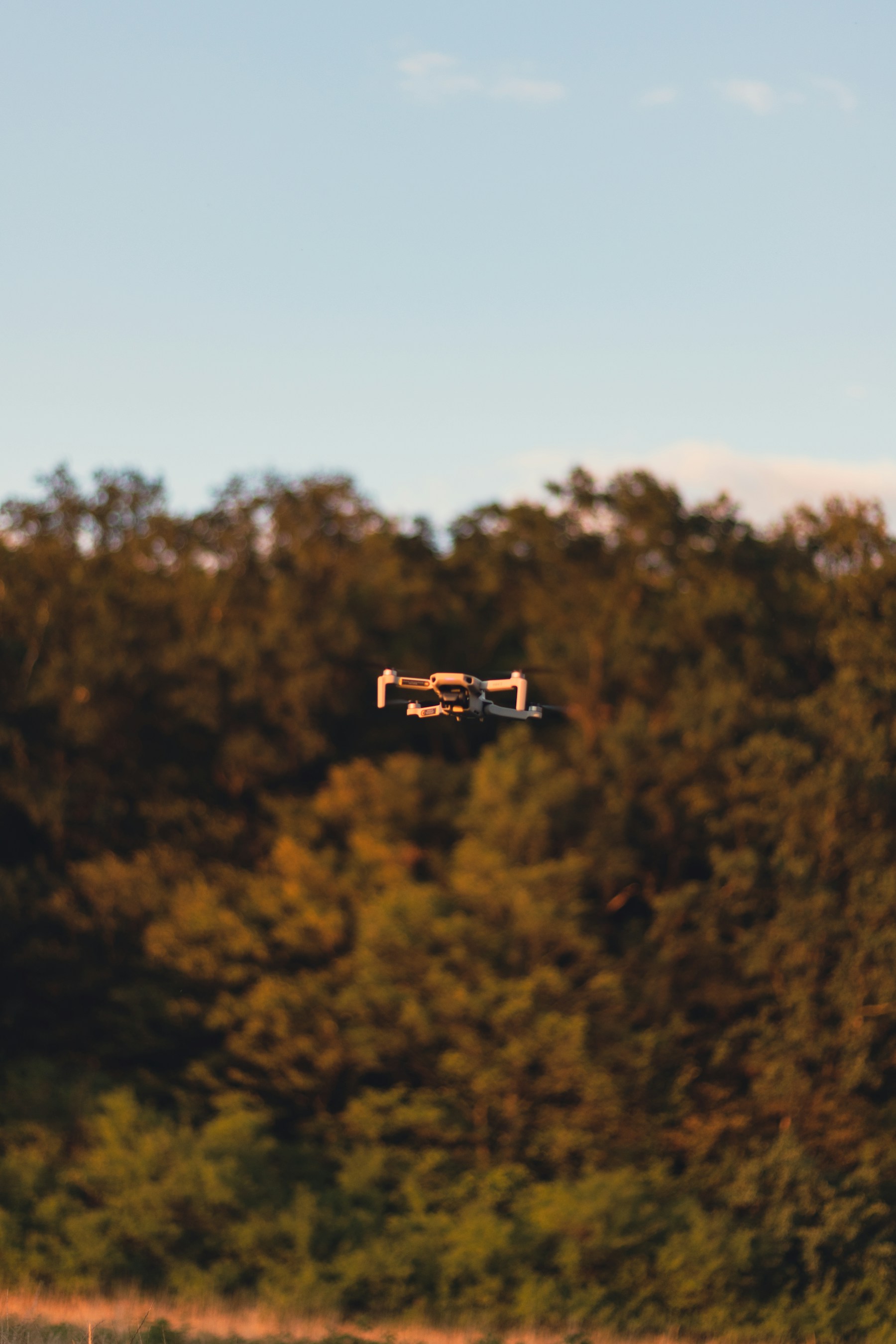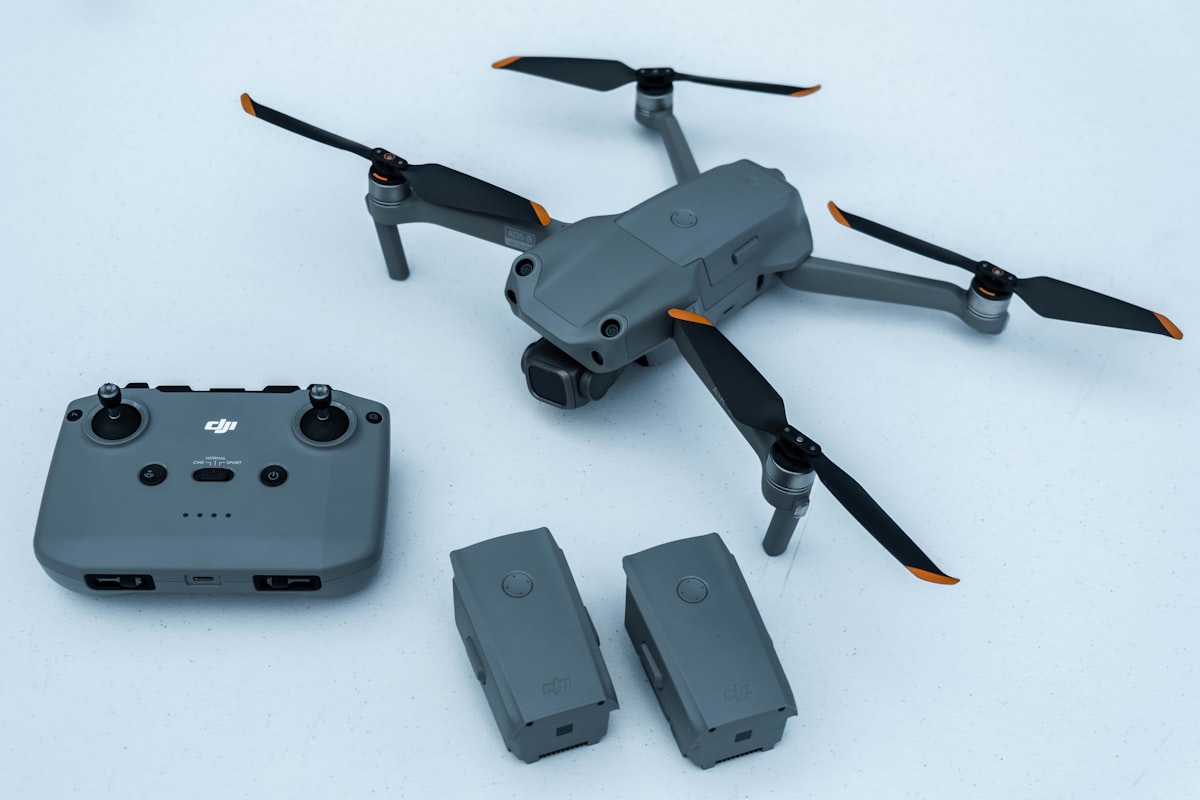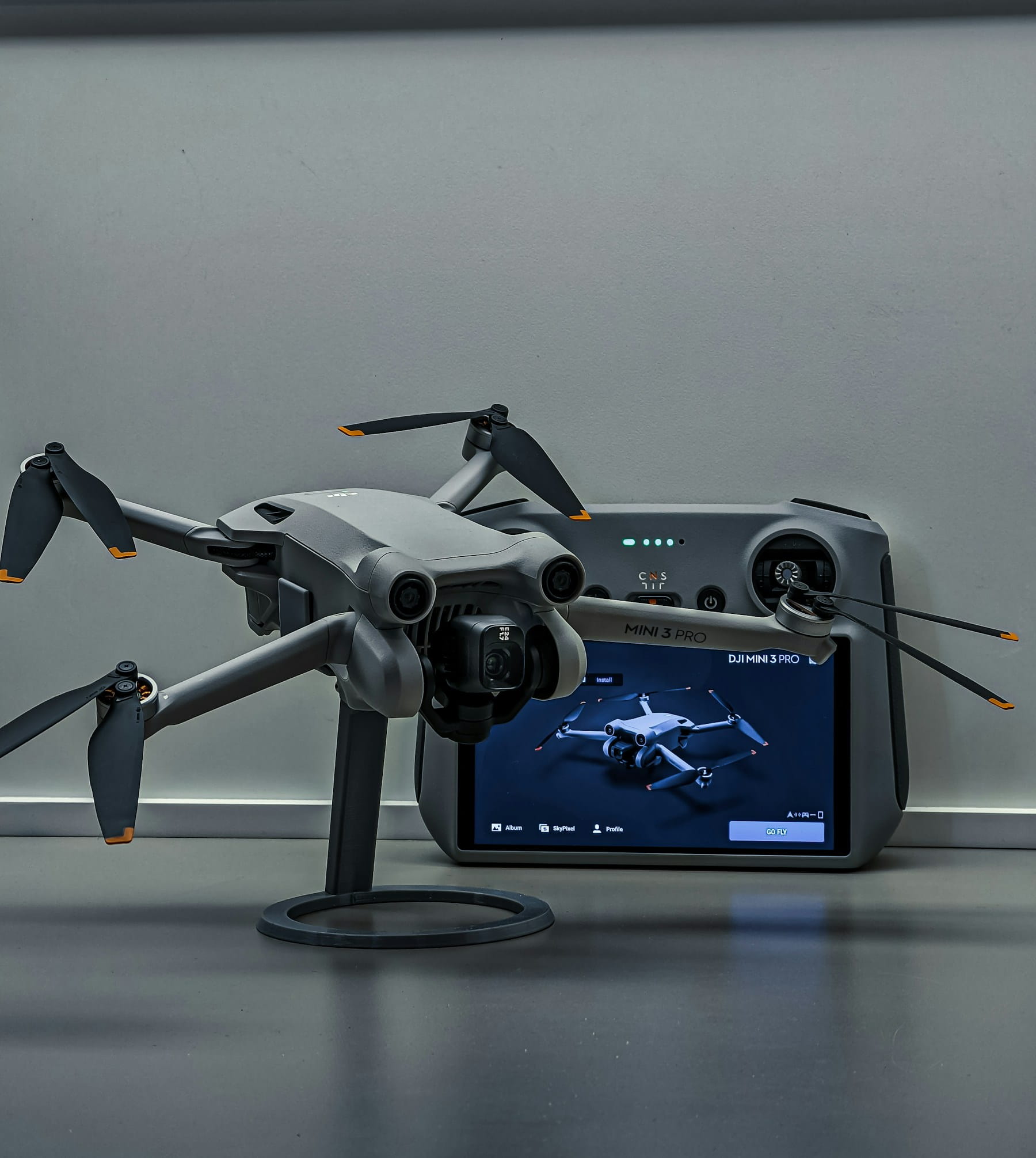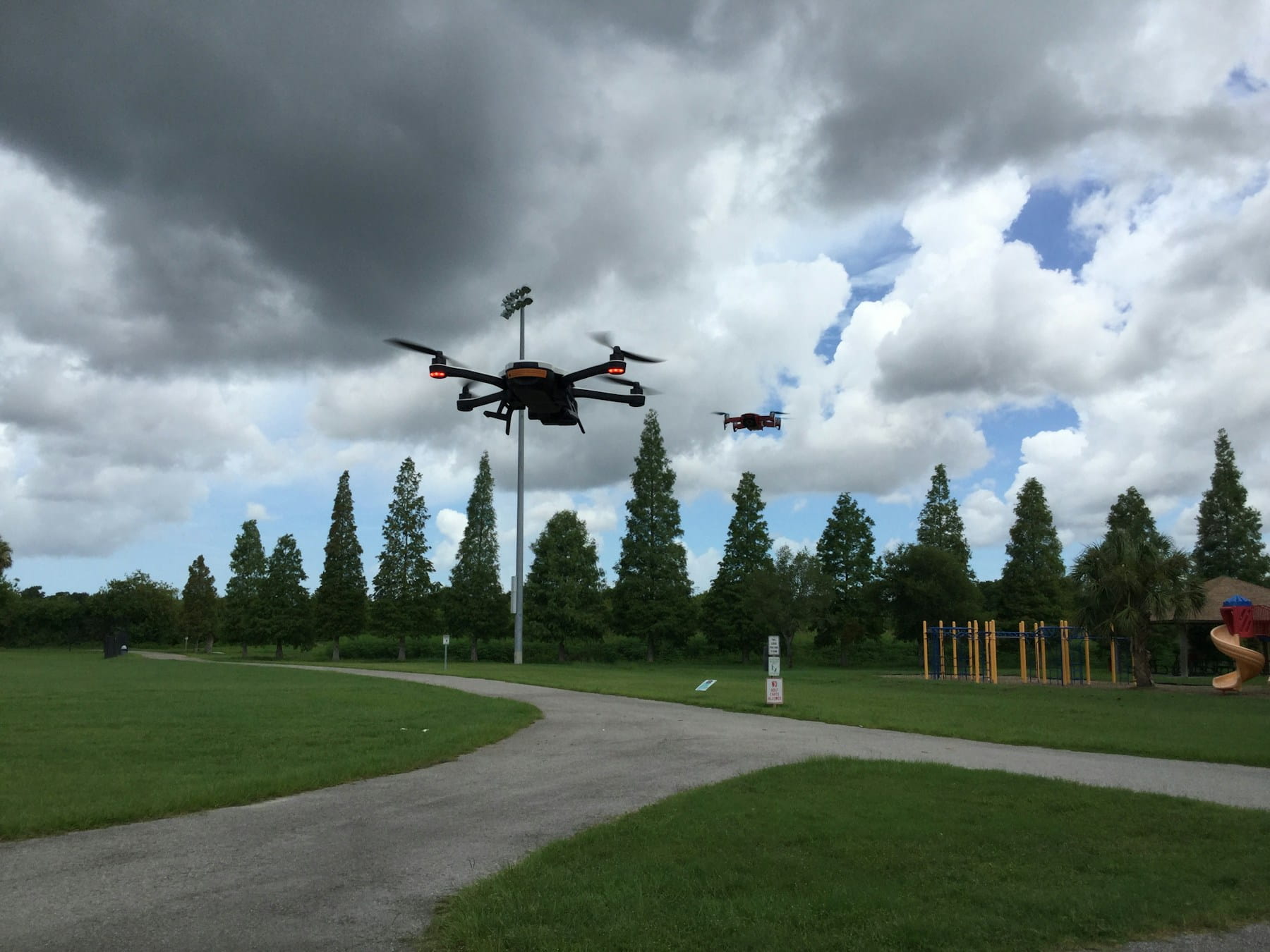
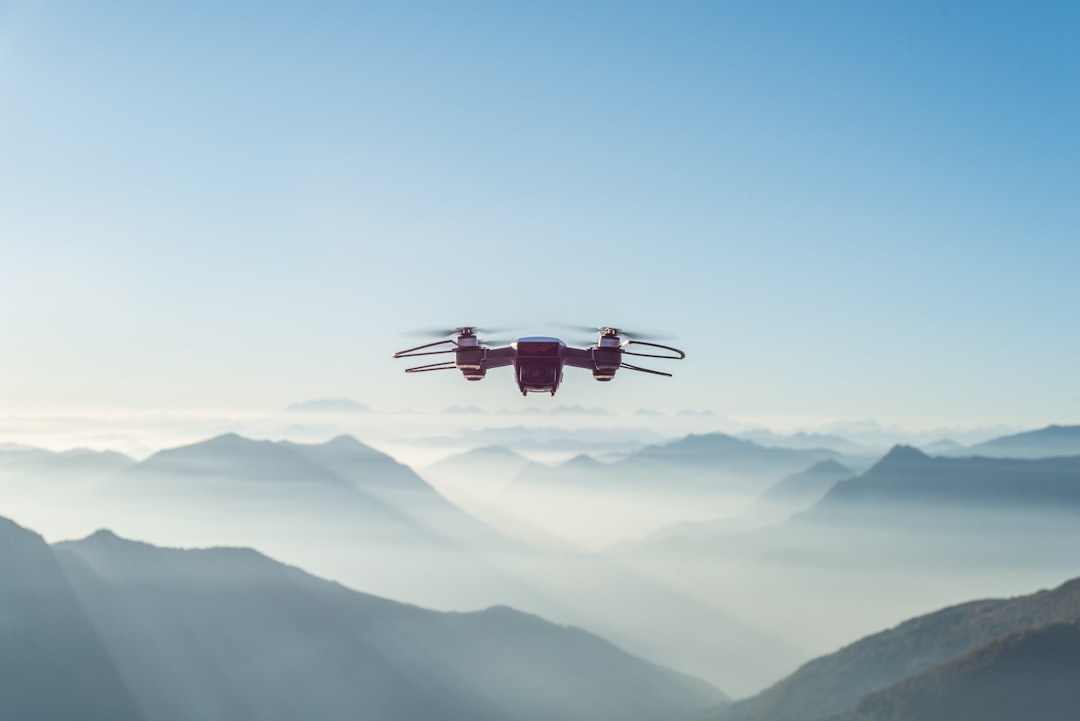
A UAS drone is the complete unmanned aircraft system, meaning the aircraft plus the ground control station, data link, and support equipment that make it fly. The term matters because regulators, insurers, and clients treat the whole system, not just the flying machine.
If you have spent any time around commercial drone work, you have seen the acronym everywhere. FAA documents say UAS. Insurance policies say UAS. Your Part 107 test used UAS. But most people still call the thing in the sky a drone. So what is a UAS drone, and why does the distinction actually change how you operate?
Here is the short version. A UAS drone refers to the entire system required to fly an unmanned aircraft safely, not only the airframe. That includes the aircraft itself, the controller or ground control station, the communication link between them, and often the payload, software, and the remote pilot. When the FAA regulates "unmanned aircraft systems," it is regulating that whole package. That single fact shapes your registration, your compliance obligations, and your liability.
This guide breaks down what a UAS drone is, how it differs from a UAV, the classifications that matter, and the operational reality of running one for money. Most articles stop at the definition. We keep going into the part that actually affects your business.
What is a UAS drone?
A UAS drone is an unmanned aircraft system, which the FAA defines as an unmanned aircraft and the associated equipment needed to operate it safely and efficiently. In plain terms, the aircraft flying overhead is only one piece. The full UAS includes the ground control station, the data link that connects pilot to aircraft, and the support equipment that keeps the operation legal and safe.
The word "system" is doing heavy lifting here. A hobbyist thinks about the quadcopter. A regulator thinks about the network of hardware, software, and human oversight that allows that quadcopter to share airspace with crewed aircraft. That is why aviation authorities worldwide adopted UAS rather than "drone" in their official language. The FAA's UAS program governs everything from registration to Remote ID to certification, and it does so at the system level.
For a commercial operator, this framing is not academic. When you register with the FAA, you register the aircraft, but your authorization to fly depends on the pilot, the operating rules, and the equipment. When an insurer quotes you, they assess the system and the operation, not just the hull value. When a client audits your safety record, they want documentation across the whole system. Treating a UAS as a system rather than a gadget is the mental shift that separates a professional operation from a hobby.
UAS vs UAV vs drone: the differences that matter
UAV refers to the aircraft alone, UAS refers to the entire operating system, and "drone" is the everyday word that covers both. All three describe the same technology at different levels of precision.
Here is the cleanest way to hold the three terms in your head:
| Term | What it means | When to use it |
|---|---|---|
| Drone | Casual term for any pilotless aircraft | Marketing, client conversations, general writing |
| UAV | Unmanned Aerial Vehicle, the aircraft only | Describing the airframe, specs, and payload |
| UAS | Unmanned Aircraft System, the whole system | Regulatory, insurance, and compliance contexts |
A UAV is the physical vehicle: motors, frame, battery, camera, navigation electronics. A UAS is that UAV plus the controller, the radio link, the flight software, and the pilot operating it. So every UAS contains a UAV, but a UAV on its own is not a complete system. "Drone" is simply the word the public uses, and there is nothing wrong with using it. Even the FAA uses "drone" in its consumer-facing material.
If you want the deeper comparison and the edge cases where the terms genuinely diverge, we cover that in our dedicated breakdown of UAV flight planning software and how the system-level view changes planning. The practical takeaway: use "drone" with clients, use "UAS" on anything a regulator or insurer will read.
What is inside a UAS: the four core components
Every UAS drone breaks down into four functional components, and understanding each one clarifies where compliance and failure points live. Skip past the terminology and you miss where your operation is actually exposed.
1. The unmanned aircraft (the UAV). This is the airframe, propulsion, flight controller, sensors, and payload. Fixed-wing, multirotor, and hybrid VTOL drone designs all sit here. The aircraft determines your flight time, range, and what jobs you can take. It is also the piece the FAA wants registered.
2. The ground control station. The controller, tablet, or full ground station where the remote pilot commands the aircraft and monitors telemetry. On a consumer drone this is a handheld controller with a phone. On an enterprise UAS it might be a ruggedized laptop running mission planning software. This is where the human stays in the loop.
3. The data link. The radio communication between aircraft and ground station. It carries command signals up and telemetry or video down. Link reliability is a safety-critical element, especially as operators push toward beyond visual line of sight flights where a lost link has bigger consequences.
4. Support equipment and software. Batteries, chargers, spare props, launch equipment, and the software that ties it together: flight planning, logging, weather, and compliance tools. This category is easy to overlook and expensive to neglect. Poor battery management alone grounds more commercial fleets than airframe failures do.
When you think about a UAS as these four layers, maintenance, insurance, and compliance stop being vague. Each layer has its own service schedule, its own failure modes, and its own paper trail. A structured drone pre-flight checklist exists precisely because a UAS is a system where any one layer can ground the whole operation.
UAS classifications and categories
UAS drones are classified by weight, capability, and operating environment, and the categories differ depending on whether you are looking at civil aviation rules or military definitions. Knowing which framework applies to you prevents expensive misclassification.
FAA weight thresholds (civil, United States). For most commercial operators, two numbers matter. Any UAS weighing 0.55 pounds (250 grams) or more must be registered. Small unmanned aircraft, the sUAS category that Part 107 governs, covers systems under 55 pounds including payload. Above 55 pounds you leave standard small UAS rules entirely and enter a much more involved approval process.
EASA categories (Europe). The European framework sorts operations by risk rather than pure weight. The Open category covers low-risk flights with no prior authorization. The Specific category covers medium-risk operations that need a risk assessment and authorization. The Certified category covers high-risk operations resembling crewed aviation. We walk through this in our European drone regulations and EASA compliance guide.
DoD groups (military). The U.S. Department of Defense sorts UAS into five groups by maximum gross takeoff weight, altitude, and speed. Group 1 covers systems under 20 pounds operating below 1,200 feet AGL, while Groups 4 and 5 cover systems over 1,320 pounds operating at any altitude, per the Congressional Research Service primer on UAS categories. Commercial operators rarely touch these groups, but the terminology shows up in contracts and news, so it helps to recognize it.
The reason this matters operationally: your classification decides your rules. A 249-gram UAS flown recreationally may skip registration, but the same airframe flown for hire must be registered no matter how light it is. Weight is not the only trigger. Purpose is.
Commercial UAS regulations you cannot skip
To operate a UAS drone commercially in the United States, you need a Part 107 Remote Pilot Certificate, FAA registration for the aircraft, and Remote ID compliance. These three requirements form the non-negotiable baseline for legal paid work.
Part 107 certification. Anyone flying a UAS for commercial purposes needs a Remote Pilot Certificate under Part 107. That means passing the FAA knowledge test and staying current with recurrent training. Our Part 107 guide covers the full path, and the Part 107 study guide helps you prepare for the exam. If your certificate has lapsed, the Part 107 renewal process is straightforward but easy to forget.
Registration. Commercial UAS must be registered with the FAA regardless of weight. This is different from the recreational rule, where sub-250-gram aircraft are exempt. Register through the FAA and mark the aircraft with its registration number. Our FAA drone registration walkthrough covers the steps and the common mistakes.
Remote ID. Since Remote ID enforcement took full effect, any UAS that requires registration must also broadcast Remote ID information, which shares the drone's location and identity in real time. The FAA treats this as mandatory, not optional, with civil penalties for non-compliance. See the FAA Remote ID rules and our plain-language explainer on what Remote ID is.
Airspace authorization. Flying in controlled airspace requires authorization, usually through LAANC. Understanding the types of airspace around your job sites is part of legal UAS operation, not an optional extra.
The BVLOS horizon. Standard Part 107 keeps the UAS within visual line of sight. Expanding beyond that has required waivers, but the forthcoming Part 108 rule is designed to create a repeatable path for routine BVLOS operations. If your business model depends on long-range flights, track this closely.
Every one of these obligations attaches to the system and the operation, which brings us back to the core point. You are not registering a toy. You are entering an operation into a regulated aviation environment.
The compliance edge cases operators miss
Most UAS compliance failures come from edge cases the introductory guides skip, not from ignorance of the headline rules. These are the ones that catch working operators.
The sub-250-gram commercial trap. Operators buy a lightweight drone believing it is exempt from registration, then use it for a paid job. The moment money changes hands, the exemption disappears and registration becomes mandatory. Weight exempts recreational flyers, not commercial ones.
Recreational registration used for paid work. A drone registered under the exception for limited recreational operations cannot legally be flown under Part 107. If you registered as a hobbyist and then take a paying client, you are operating outside your authorization. The fix is registering the aircraft correctly for commercial use.
Payload changes that cross a weight threshold. Add a heavier sensor, a spotlight, or a dropping mechanism and your total system weight can push past a category boundary. The UAS you registered may no longer match the UAS you are flying. Log every configuration.
Remote ID assumptions. Not every drone ships Remote ID compliant, and adding a broadcast module is not always plug and play. Confirm compliance before a job, not at the launch site. Enforcement is real, and "I thought it was built in" is not a defense.
Currency lapses. A Part 107 certificate requires recurrent training to stay valid. Pilots forget, keep flying, and unknowingly invalidate their operations and possibly their insurance. Tracking pilot currency across a team is exactly the kind of task that gets missed on spreadsheets.
These edge cases share a theme. They are not about knowing the rule. They are about tracking the rule across many aircraft, many pilots, and many jobs over time. That tracking problem is where operations software earns its keep, and it is the natural bridge to running UAS work at scale.
Running UAS operations at scale
Managing a single UAS is simple, but managing a fleet of them across multiple pilots, sites, and clients turns compliance into a full-time coordination problem. This is the operational reality that pure definition articles never reach.
Consider what a five-aircraft commercial operation actually tracks. Registration numbers and renewal dates for every airframe. Remote ID status per aircraft. Part 107 certificates and recurrent training dates for every pilot. Maintenance and battery cycles per system. Airspace authorizations per job site. Insurance coverage matched to each operation. Multiply that across a growing fleet and the spreadsheet that worked for one drone becomes a liability. We wrote about exactly this transition in drone operations software vs spreadsheets.
A dedicated platform turns that chaos into a system. DroneBundle centralizes fleet records, pilot certifications, maintenance schedules, and compliance tracking in one place, so a certificate about to lapse or an overdue inspection surfaces before it grounds a job rather than after.
Compliance tracking built for Part 107, Part 108, and EASA means the edge cases above get flagged automatically instead of discovered during an audit. Structured fleet management keeps every aircraft, battery, and payload accounted for.
Planning improves too. Instead of checking weather and airspace in separate tools, integrated mission planning software and weather integration let you plan a compliant flight in one workflow. For teams pushing into complex operations, synced flight logs and 3D replay keep a reviewable record of the whole fleet's flying. The point is not more software for its own sake. It is treating your UAS operation as the system it legally already is.
Operators who make this shift early build a durable advantage. When a large client asks for your safety and compliance documentation, you export it in minutes instead of scrambling for a week. That readiness wins contracts.
Common UAS use cases by industry
UAS drones create commercial value wherever data from the air beats data from the ground, which today spans dozens of industries. The system-level reliability of a professional UAS is what makes these applications billable rather than experimental.
- Surveying and mapping. UAS equipped for photogrammetry or LiDAR produce survey-grade models faster and cheaper than ground crews. See our work on drones for surveying.
- Infrastructure inspection. Power lines, cell towers, wind turbines, and solar farms all benefit from close aerial inspection without scaffolding or shutdowns. Our utilities and energy industry page covers how operators serve this market.
- Construction monitoring. Regular UAS flights document site progress, verify volumes, and feed digital twins. Explore drone use in construction.
- Agriculture. UAS handle crop health imaging and precision spraying across large fields. See drones in agriculture.
- Public safety. Emergency responders use UAS for search, scene assessment, and situational awareness, as detailed on our public safety industry page.
Across all of these, the operators who win repeat business are the ones treating their UAS as a managed system with clean records, current pilots, and reliable equipment. The drone gets the attention. The system gets the contract.
Frequently asked questions
What does UAS stand for on a drone?
UAS stands for Unmanned Aircraft System. It refers to the complete system needed to fly an unmanned aircraft, which includes the drone itself, the ground control station or controller, the data link connecting them, and the associated support equipment. Regulators use UAS because they govern the entire system, not just the airframe.
Is a UAS the same as a drone?
Not exactly. "Drone" is the everyday word for the aircraft, while UAS is the technical term for the whole operating system. Every UAS includes a drone (the aircraft, also called a UAV), but it also includes the controller, communication link, and software. In casual use the words are interchangeable. In regulatory or insurance contexts, UAS is the precise term.
Do I need a license to fly a UAS drone commercially?
Yes. To fly a UAS drone for commercial purposes in the United States, you need a Part 107 Remote Pilot Certificate from the FAA. You must also register the aircraft regardless of its weight and ensure it complies with Remote ID broadcasting requirements. Recreational flyers follow a different, lighter set of rules, but any paid work triggers the full commercial requirements.
What is the difference between UAS and UAV?
A UAV (Unmanned Aerial Vehicle) is the aircraft alone, meaning the physical flying machine with its motors, sensors, and payload. A UAS (Unmanned Aircraft System) is that UAV plus everything needed to operate it: the ground control station, the data link, the software, and the remote pilot. Every UAS contains a UAV, but a UAV by itself is only one part of a complete system.
Bring your UAS operation under one system
A UAS drone is a system by definition. The problem is that most operators still manage it like a collection of loose parts: registration in one folder, pilot certificates in another, maintenance in a notebook, and compliance in someone's head. That works until it does not, and the failure usually shows up during an audit or a grounded job.
DroneBundle brings the whole system into one place. Fleet records, pilot currency, maintenance schedules, mission planning, weather, and Part 107, Part 108, and EASA compliance tracking, all connected so nothing slips through the cracks.
Start a free trial and see how much easier a managed UAS operation runs, or book a live demo and we will walk through your specific setup. Your drones are already a system. Manage them like one.
Sources: