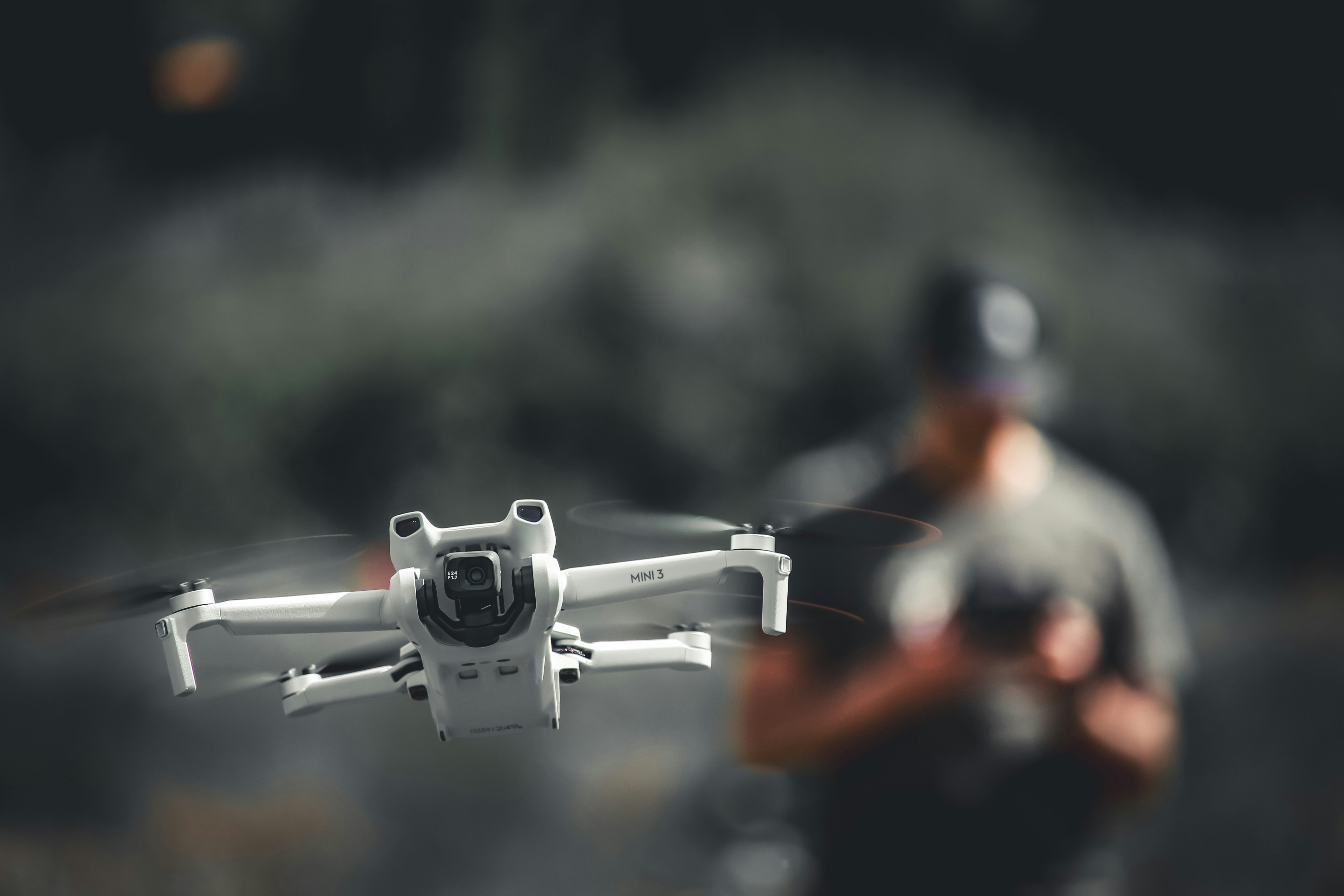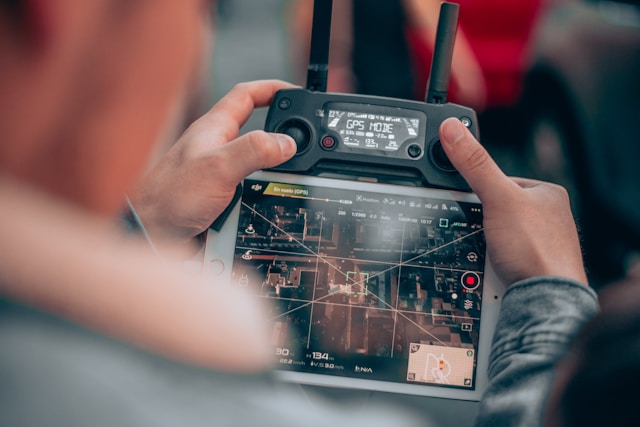
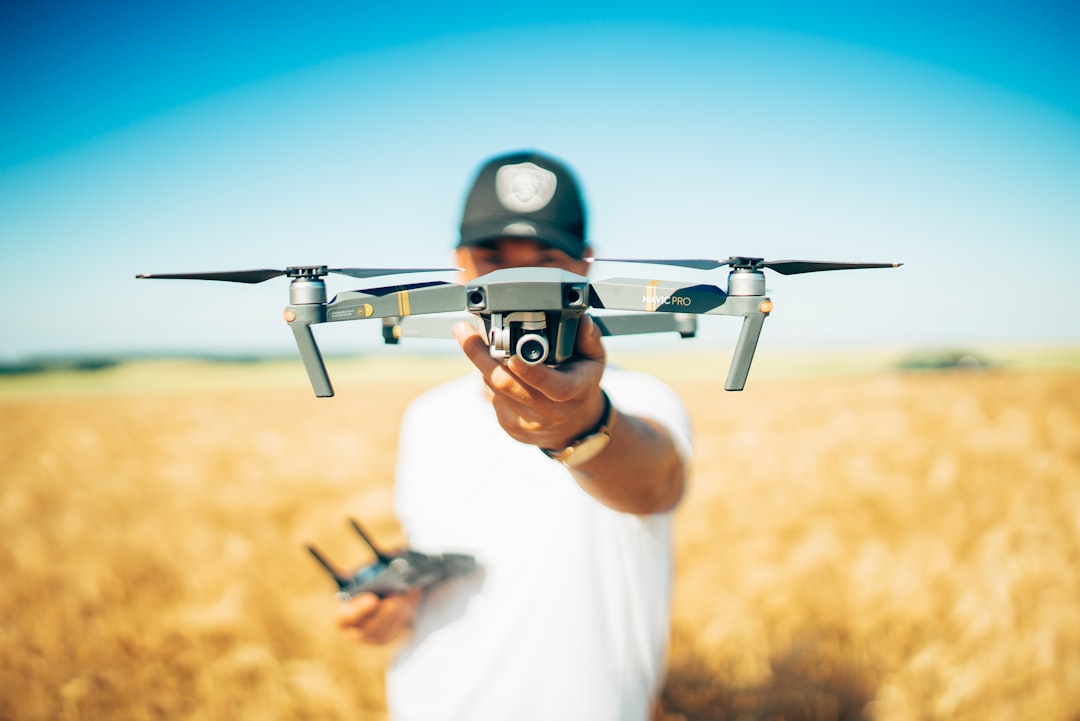
Entry-level drone pilot jobs are commercial positions available to newly certified Part 107 holders with little or no professional flight experience. These roles pay between $20 and $45 per hour depending on the industry, and they exist in real estate photography, roof inspections, construction monitoring, agricultural scouting, and mapping. The catch? Over 368,000 people hold a Part 107 certificate. Landing your first paid gig requires more than passing a test.
Most career guides list industries and salary ranges, then stop. This guide goes further. We cover the practical steps that separate pilots who get hired from pilots who keep refreshing job boards: how to build a portfolio with zero clients, which industries actually hire beginners, the equipment you need versus the equipment you can wait on, and a realistic 90-day roadmap from certification to your first paycheck.
Table of contents
- What qualifies as entry-level in drone work
- Industries that hire entry-level drone pilots
- Entry-level drone pilot salary expectations
- Your first 90 days: a realistic roadmap
- Building a portfolio with zero clients
- Equipment strategy for beginners
- Skills that actually get you hired
- Where to find entry-level drone pilot jobs
- Seasonal patterns and income stability
- Common mistakes new drone pilots make
- Frequently asked questions
What qualifies as entry-level in drone work
Entry-level drone pilot jobs require a valid FAA Part 107 Remote Pilot Certificate and basic flight proficiency, but they do not require prior commercial experience or advanced technical skills. The full regulatory requirements are outlined in 14 CFR Part 107. These positions are designed for pilots who can fly safely, follow instructions, and produce usable data or imagery under supervision.
The Part 107 exam costs $175 at an FAA-approved testing center, and most people pass on their first attempt. A Part 107 study guide and practice tests can get you ready in two to four weeks. You also need to register your drone with the FAA and comply with Remote ID requirements.
What separates entry-level from mid-level or senior roles is the complexity of the deliverable. Entry-level pilots capture photos and video. Senior pilots process that data into orthomosaics, 3D models, thermal reports, and engineering-grade deliverables. You do not need to start at the top. You just need to start.
Industries that hire entry-level drone pilots
Real estate is the easiest industry to break into as a new pilot. Agents need aerial photos and short video tours of listings, and the technical bar is low. A drone photography business focused on real estate can generate its first revenue within weeks of certification. Most shoots take 20 to 30 minutes and pay $150 to $350 per property.
Roof inspections are the second most accessible entry point. Insurance adjusters and roofing companies hire pilots to capture systematic grid images of residential roofs after storms. Drone roof inspection work is repetitive and predictable, which is exactly what you want when you are building confidence and flight hours. Pay ranges from $75 to $200 per roof.
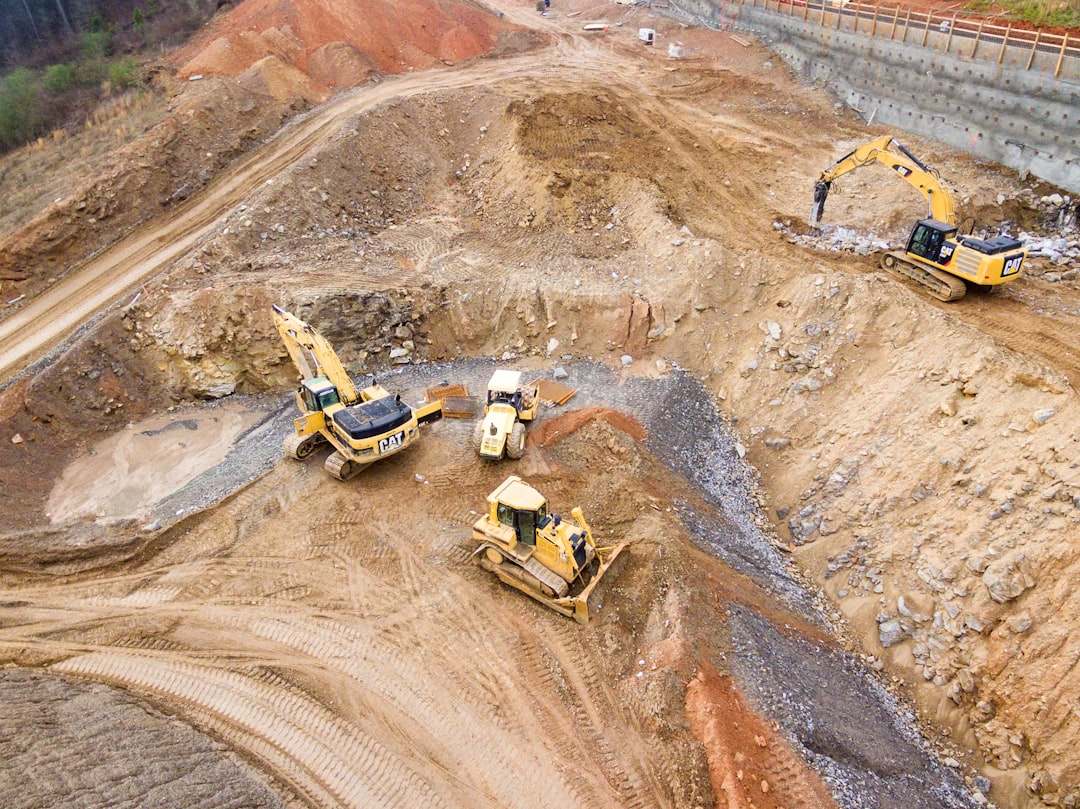
Construction site monitoring offers steady, recurring work. General contractors want weekly or biweekly progress photos from the same vantage points. The technical skill required is minimal, but reliability matters. Showing up on schedule, every time, is what keeps you on the job. Read more about drones in construction for background on what clients expect, and see how DroneBundle supports construction and infrastructure operations.
Agriculture hires seasonal pilots for crop scouting and field mapping. If you are near farming regions, agricultural drone work can fill your calendar from spring through fall. DroneBundle's agriculture and environmental tools help pilots manage seasonal field work efficiently. Entry-level pay for basic scouting flights runs $25 to $40 per hour.
Event coverage and drone videography offer freelance opportunities for pilots who have an eye for composition. Weddings, festivals, and corporate events need aerial footage, and clients care more about the final product than your flight hour count.
| Industry | Skill barrier | Typical entry pay | Work pattern |
|---|---|---|---|
| Real estate photography | Low | $150-$350/shoot | Freelance, on-demand |
| Roof inspections | Low | $75-$200/roof | Seasonal (storm-driven) |
| Construction monitoring | Low-medium | $30-$50/hr | Recurring weekly |
| Agricultural scouting | Low-medium | $25-$40/hr | Seasonal (spring-fall) |
| Event videography | Medium | $200-$500/event | Freelance, weekends |
| Cell tower inspections | Medium-high | $40-$65/hr | Contract-based |
For pilots looking to grow into higher-paying specializations, cell tower inspections and power line inspections hire entry-level operators as assistants or data collectors on larger crews.
Entry-level drone pilot salary expectations
Entry-level drone pilots in the United States earn between $25,000 and $50,000 annually in full-time staff positions, with the median falling near $42,000 according to industry salary data. Freelance and contract pilots typically earn $20 to $45 per hour depending on the job type and region. For a deeper breakdown of compensation across experience levels, see our drone pilot salary guide.
The important nuance that salary aggregators miss: most entry-level pilots do not work full-time for a single employer. They piece together freelance gigs across multiple industries. A typical week might include two real estate shoots, a roof inspection, and a half-day construction monitoring job. That patchwork approach means your annual income depends heavily on your ability to find and retain clients, not just your hourly rate.
Geographic location matters significantly. Pilots in metros like Dallas, Phoenix, Atlanta, and Los Angeles find more consistent work than pilots in rural areas, simply because there are more real estate agents, construction sites, and commercial buildings concentrated in one area. However, pilots in agricultural regions can dominate a niche with less competition.
Your first 90 days: a realistic roadmap
No competitor guide covers what the first three months actually look like. Here is the timeline most successful entry-level pilots follow.
Days 1 through 14: certification and setup. Pass your Part 107 exam, register your drone with the FAA ($5 registration fee), get a basic drone insurance policy ($500 to $1,200 per year for liability coverage), and set up a simple business entity. An LLC is not strictly required, but it separates personal and business liability. Budget $100 to $300 for state filing fees.
Days 15 through 30: portfolio building. Fly every day. Capture sample work that demonstrates the deliverables clients actually buy: overhead property shots, construction progress angles, roof grids, and short cinematic clips. This is unpaid work, but it is the most important investment you will make. More on this in the next section.
Days 31 through 60: outreach and first gigs. Contact local real estate agents, roofing companies, and construction firms directly. Offer your first two or three jobs at a reduced rate or free in exchange for a testimonial and permission to use the footage in your portfolio. Join pilot networks like FlyGuys, DroneBase, and RAAD to pick up contract work.
Days 61 through 90: build recurring revenue. The goal by day 90 is at least one recurring client. One construction company that needs weekly flyovers or one real estate agent who lists three to five properties per month gives you baseline income you can build on. Start tracking your flight hours systematically from day one; logged hours are currency when applying for higher-paying positions later.
Building a portfolio with zero clients
You do not need paying clients to build a professional portfolio. You need a drone, a Part 107 certificate, and a willingness to create sample deliverables that match what real clients buy.
Fly to a local construction site and shoot a progress-style update from multiple angles and altitudes. Ask permission first; most site managers will say yes if you explain that you are building a portfolio. Photograph a friend's house as if it were a real estate listing: front elevation, backyard overview, neighborhood context shot, and a slow orbit video. Map a local park or parking lot using an automated grid pattern and process the images into an orthomosaic using free software like OpenDroneMap.
These samples prove that you can produce the specific deliverables that paying clients need. A portfolio of five to eight projects across two or three industries is enough to start landing work. Post your best work on a simple website, Google Business profile, and LinkedIn.
Equipment strategy for beginners
A DJI Mini 4 Pro or DJI Air 3 is enough to start earning money in real estate, events, and basic construction monitoring. Both cost under $1,100 and produce commercial-quality imagery. Do not buy an enterprise drone until you have the client base to justify it.
Here is what you actually need to start:
- Drone: $800 to $1,100 (consumer prosumer model)
- Extra batteries: $150 to $250 (two to three extras minimum)
- MicroSD cards: $30 to $50 (two high-speed cards)
- Basic carrying case: $50 to $100
- Insurance: $500 to $1,200/year for liability
- Part 107 exam fee: $175
Total startup cost: roughly $1,700 to $2,900. That is it. You do not need a thermal camera, LiDAR sensor, or RTK module yet. Those investments come later when you move into inspection or surveying work that demands them.
Manage your equipment from the start. Even with one drone and three batteries, keeping track of flight hours, battery cycles, and maintenance is a habit worth building early. Platforms like DroneBundle help pilots log flights, track equipment, and maintain the documentation that clients and insurers expect.
Skills that actually get you hired
Part 107 proves you understand airspace rules and regulations. It does not prove you can deliver value to a client. The skills gap between certification and employment is where most entry-level pilots stall.
Reliability outweighs flying talent at the entry level. Showing up on time, communicating clearly, and delivering files promptly matters more than cinematic flair. Employers hiring entry-level pilots screen for professionalism first.
Basic photo and video editing separates you from the pack. Learn Lightroom for photo adjustments and a simple video editor for real estate walkthroughs. You do not need to become an expert. You need to deliver clean, color-corrected files that a client can use immediately.
Understanding airspace and authorization workflows is a practical differentiator. If you can explain LAANC to a client and handle controlled airspace jobs that other entry-level pilots avoid, you unlock work in urban areas where demand is highest.
A pre-flight routine that follows a documented checklist signals operational maturity. Clients notice when you pull out a checklist and walk through your process before launch. It builds confidence that you take safety seriously and reduces the risk of costly mistakes.
Basic data management means knowing how to organize, back up, and deliver files in the format clients need. Geotagged photos, labeled folders, and delivery via cloud link instead of a USB stick show that you think about the client's workflow, not just your own.
Where to find entry-level drone pilot jobs
The best entry-level drone pilot jobs come from a mix of platforms, direct outreach, and networking. Relying on a single channel limits your pipeline.
Drone-specific platforms: FlyGuys, DroneBase, and RAAD connect certified pilots with on-demand missions. These platforms handle client acquisition and billing; you show up, fly, and get paid. Rates are lower than direct client work, but they are the fastest path to logged hours and paid experience.
Job boards: Indeed, LinkedIn, and ZipRecruiter list both full-time and contract positions. Search for "drone pilot," "UAS operator," and "aerial photographer" in your area. Many drone pilot jobs are posted by staffing agencies that supply pilots to larger companies.
Direct outreach: Email or visit local roofing companies, real estate brokerages, construction firms, and solar installers. Bring printed samples of your portfolio work. Most small businesses have not thought about using drones yet; you are not competing for an existing position, you are creating one.
Industry groups: Join local drone pilot meetups, Facebook groups, and associations. Pilots who are too busy often refer overflow work to newer pilots they trust. Being visible and reliable within the local drone community generates referrals that no job board can match.
For a comprehensive list of industries and roles, see our guide on commercial drone pilot jobs.
Seasonal patterns and income stability
Entry-level drone income is not evenly distributed across the year. Understanding seasonal patterns helps you plan finances and avoid the panic that hits when work slows down.
Spring and summer are peak season for nearly every drone industry. Real estate listings surge, construction activity peaks, agricultural work is in full swing, and longer daylight hours mean more flyable time per day. This is when you stack clients and build financial runway.
Fall stays moderately busy. Real estate tapers but does not stop. Insurance roof inspection work spikes after hurricane and storm seasons. Construction projects push toward year-end deadlines. Weather considerations become more important as conditions deteriorate.
Winter is the slowest period in most northern regions. Snow, wind, and shorter days reduce flyable hours significantly. Southern and western markets stay busier. Smart pilots use winter months to pursue additional certifications, build their portfolio, learn new software, or explore new drone business ideas for diversification.
The pilots who maintain income year-round typically serve two or three industries with offset seasonal peaks. Combining construction monitoring (spring through fall) with roof inspections (post-storm, unpredictable) and real estate (year-round in warm markets) smooths out the revenue curve.
Common mistakes new drone pilots make
Buying expensive equipment too early. A $5,000 enterprise drone will not get you more real estate gigs than a $900 prosumer model. Match your equipment to your actual client base, not your aspirations. Scale your gear as your revenue supports it.
Underpricing to compete. Charging $50 for a real estate shoot that should cost $200 trains clients to expect rock-bottom rates. Price fairly from day one. If you need to offer a discount, make it temporary and tied to a portfolio-building agreement.
Ignoring the business side. Invoicing, taxes, insurance, and client communication are half the job. Pilots who treat this as "just flying" burn out or go broke. Set up proper business systems early, including flight logging and compliance tracking tools.
Skipping insurance. Drone insurance is not optional for commercial work. One crash on a client's property without coverage can end your business before it starts. Basic liability policies start around $500 per year.
Not logging hours. Every flight should be documented. Flight hours are the single most important credential after your Part 107 certificate. Employers and clients ask for them. Platforms like DroneBundle make logging automatic, so there is no excuse to skip it.
Frequently asked questions
Can you get a drone pilot job with no experience?
Yes. Several industries hire pilots with nothing more than a Part 107 certificate and basic flight proficiency. Real estate photography, roof inspections, and construction monitoring are the most common entry points. Pilot networks like FlyGuys and DroneBase specifically onboard new pilots and assign beginner-friendly missions. Building a portfolio of sample work before applying significantly improves your chances.
How long does it take to get your first paid drone gig?
Most pilots who follow a structured approach land their first paid job within 30 to 60 days of earning their Part 107 certificate. The timeline depends on how aggressively you build your portfolio and pursue outreach. Joining a pilot network can accelerate this to under two weeks, though per-mission pay on platforms tends to be lower than direct client work.
Do entry-level drone pilots need their own equipment?
For most entry-level positions, yes. Full-time staff roles at larger companies sometimes provide equipment, but freelance and contract work requires you to bring your own drone, batteries, and accessories. A capable setup costs $1,700 to $2,900, which is one of the lowest startup costs for any technical trade.
What is the best entry-level drone pilot certification?
The FAA Part 107 Remote Pilot Certificate is the only certification required to fly commercially in the United States. It is also the only certification that entry-level employers universally require. Additional certifications in thermal imaging, photogrammetry, or specific manufacturer platforms (like DJI FlightHub) add value but are not necessary to start. For international work, review the applicable local authority requirements such as EASA regulations in Europe.
Entry-level drone pilot jobs are real, accessible, and growing. The FAA reports over 368,000 active Part 107 certificates as the industry scales. The commercial drone market is projected to reach $223.66 billion by 2034, and every dollar of that growth creates demand for pilots who can capture and deliver the data that businesses need.
The pilots who build lasting careers start by treating this as a profession from day one. Get certified, build a portfolio, reach out to clients, and log every flight. When you are ready to scale beyond spreadsheets and manual tracking, try DroneBundle free to manage your flights, equipment, and client projects in one platform, or book a live demo to see how it works.