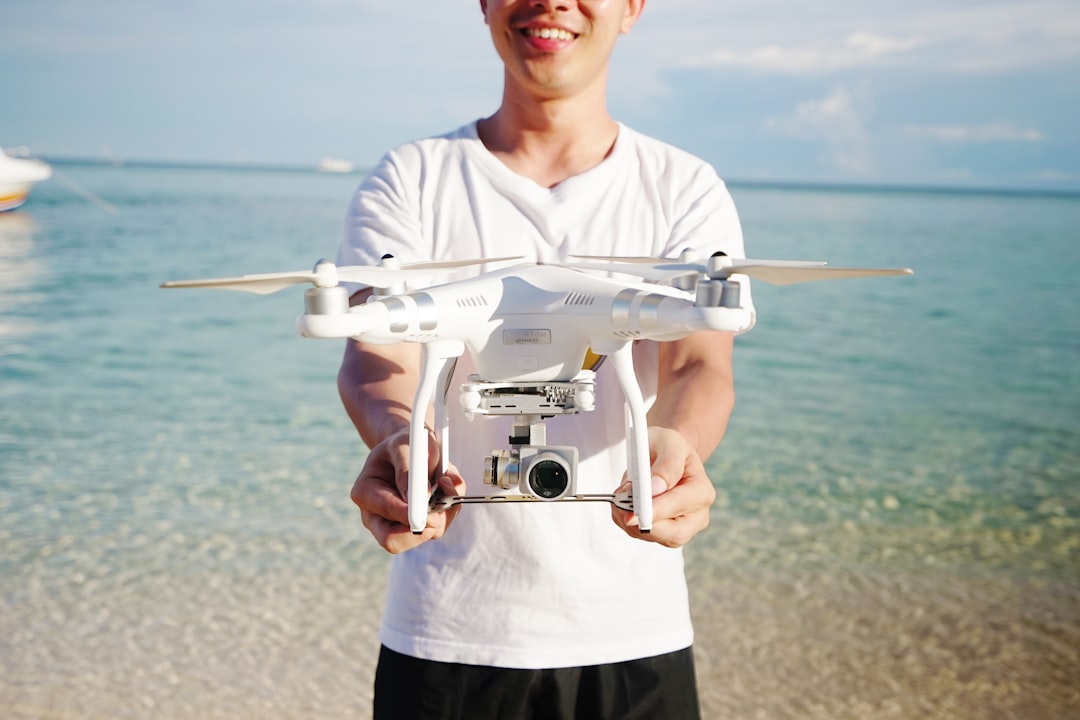
A drone photography business requires a Part 107 certificate, liability insurance, a capable camera drone, and a focused niche. Most operators who commit to marketing and client relationships reach profitability within six to twelve months on a startup budget under $5,000.
The commercial drone photography market is growing faster than most people expect. Filming and photography account for over 29% of the commercial drone market by revenue, and the broader drone services industry is expanding at a compound annual growth rate above 25% through 2034. That means opportunity. But it also means competition is increasing fast.
Here is the good news: the barrier to entry for a drone photography business remains low compared to most service businesses. You do not need an office, employees, or massive capital. What you need is the right certification, solid equipment, a clear niche, and the operational discipline to deliver consistently.
This guide covers every step from legal requirements to pricing strategy to scaling beyond solo operations. We will focus on the practical gaps that most guides skip: how to actually get clients, what your first month looks like financially, and when it makes sense to hire subcontractors or invest in fleet management tools.
Legal requirements and FAA certification
Every commercial drone photographer in the United States needs an FAA Part 107 Remote Pilot Certificate. No exceptions. If you are flying a drone and receiving any form of compensation for the images or video, Part 107 applies.
The certification process is straightforward. You must be at least 16 years old, pass the FAA's Aeronautical Knowledge Test at an approved testing center, and submit your application through the FAA's IACRA system. The test costs $175 and covers airspace classification, weather theory, drone regulations, and flight operations. Most people pass on the first attempt with two to four weeks of study. Our Part 107 study guide breaks down exactly what to focus on.
Beyond the certificate itself, you need to register every drone you fly commercially with the FAA. Registration costs $5 per aircraft through FAA DroneZone and is valid for three years. Your drones must also comply with Remote ID requirements, which became mandatory for most commercial operations in 2023.
Part 107 comes with operational limits that affect photography work directly. You must fly below 400 feet AGL, maintain visual line of sight, avoid flying over people who are not participants, and stay clear of restricted airspace unless you obtain authorization through LAANC or a waiver. Night operations are permitted under Part 107 with anti-collision lighting visible for at least three statute miles.
If you plan to serve clients in the EU, the regulatory framework is different and governed by EASA rather than the FAA.
Choosing your niche and target market
Real estate photography is the most common entry point for drone photography businesses, and for good reason. Realtors constantly need new images, the work is repeatable, and the client base in any metro area is large enough to sustain a full-time operation. A single listing shoot takes 30 to 60 minutes on site and can include exterior aerials, neighborhood context shots, and property boundary overviews.
But real estate is not the only option. The range of drone business ideas is broader than most newcomers realize.
High-demand niches for drone photographers:
- Real estate and property marketing earns $150 to $400 per shoot and offers consistent volume
- Construction progress documentation pays $300 to $800 per site visit with recurring weekly or monthly contracts
- Event and wedding photography commands $500 to $1,500 per event with seasonal peaks
- Tourism and hospitality content provides $400 to $1,200 per project for hotels, resorts, and destination marketers
- Agricultural monitoring generates $200 to $600 per survey with expansion into precision agriculture services
- Roof and property inspections pay $150 to $400 per inspection with insurance company partnerships
The most profitable operators do not try to serve everyone. Pick one or two niches, become the obvious specialist in your market, and expand from there. A photographer known as "the real estate drone person" in their city will always win more referrals than a generalist advertising fifteen services.
Consider pairing aerial photography with drone videography to increase your average project value. Many clients who need still photos also want a 60-second flyover video or walkthrough clip. Offering both in a single package is an easy upsell.
Equipment and startup costs
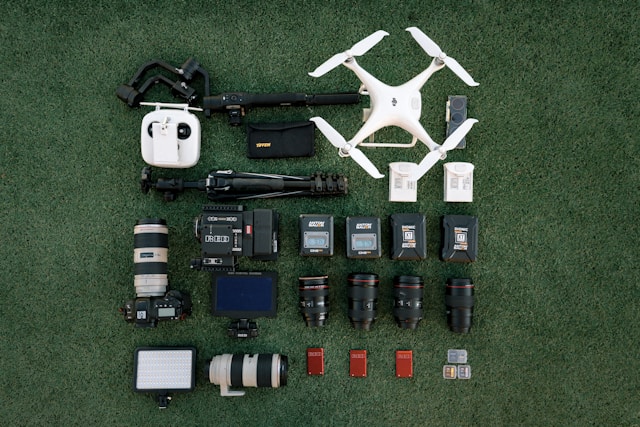
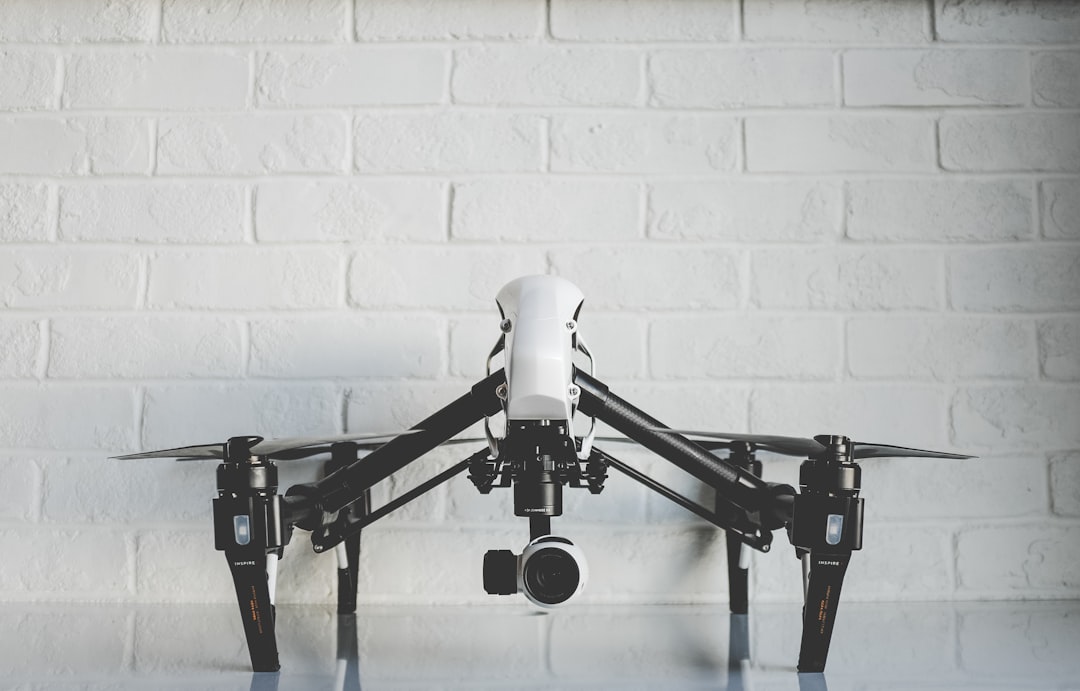
You do not need a $10,000 drone to start a photography business. A capable prosumer camera drone paired with essential accessories will get you shooting professional-quality images for under $3,000.
Recommended starter equipment:
| Item | Budget Option | Mid-Range Option | Cost Range |
|---|---|---|---|
| Camera drone | DJI Mini 4 Pro | DJI Air 3S or Mavic 4 Pro | $760 - $2,200 |
| Extra batteries (2-3) | Included in Fly More combo | Included in Fly More combo | $0 - $300 |
| ND filter set | Basic 4-pack | Professional 6-pack | $30 - $120 |
| MicroSD cards (2+) | 128GB cards | 256GB V60 cards | $20 - $60 |
| Landing pad | Portable folding pad | Weighted pad | $15 - $40 |
| Carrying case | Included drone case | Hard shell backpack | $0 - $150 |
| Editing software | Adobe Lightroom (subscription) | Lightroom + Photoshop bundle | $10 - $22/month |
Total startup equipment cost: $835 to $2,900
Add in Part 107 test fees ($175), FAA registration ($5), business registration ($50 to $500 depending on your state), and basic insurance ($750 to $1,500 annually), and your all-in startup cost ranges from roughly $1,800 to $5,000.
Our best drones for photography guide compares every major option in detail, including sensor size, image quality, and flight time comparisons. For most drone photography businesses, the DJI Air 3S offers the best balance of image quality, portability, and price.
Insurance you actually need
The FAA does not legally require commercial drone operators to carry insurance. But that does not mean you should skip it. Most commercial clients, especially real estate agencies and construction firms, require proof of liability coverage before they will let you on site.
Drone insurance for a photography business typically includes two types of coverage:
Liability insurance covers third-party bodily injury and property damage. A $1 million per-occurrence policy is the industry standard and what most clients will require in their contracts. Annual premiums for a solo operator with one to three drones typically run $750 to $1,500 per year.
Hull insurance covers physical damage to your drone. If your $2,000 camera drone falls out of the sky, hull coverage replaces or repairs it. This adds roughly $200 to $500 annually depending on the aircraft value and deductible.
Providers like SkyWatch offer hourly and monthly plans that work well for operators just starting out who do not fly daily. Once you are flying regularly, an annual policy from BWI Fly or a specialized commercial drone insurance provider is more cost-effective.
Do not overlook general business liability and professional liability (errors and omissions) coverage. If a client claims your photos misrepresented a property or missed critical damage during a roof inspection, professional liability protects you.
Pricing your services for profit
Most drone photographers charge between $150 and $500 per project, with day rates for commercial work ranging from $600 to $1,200. But the right price depends entirely on your market, niche, and the value you deliver.
Pricing models that work:
Per-project flat rates work best for repeatable services like real estate shoots. Quote a fixed price based on property size and deliverable count. Example: $250 for up to 20 edited aerial images and one 60-second video for properties under 3,000 square feet.
Hourly rates suit unpredictable work like construction documentation or event coverage. Charge $150 to $300 per hour with a two-hour minimum.
Monthly retainer packages lock in recurring revenue. A construction company needing weekly progress shots might pay $800 to $1,500 per month for four scheduled site visits.
A common pricing mistake is racing to the bottom. If the cheapest photographer in your area charges $100 per real estate shoot, charging $95 will not win you sustainable business. It will attract price-sensitive clients who leave the moment someone undercuts you. Instead, charge $200 to $350 and deliver better results, faster turnaround, and a professional experience that justifies the premium.
Sample first-year revenue projection (real estate focus):
| Month | Shoots per Week | Average Price | Monthly Revenue |
|---|---|---|---|
| 1-3 | 2-3 | $200 | $1,600 - $2,400 |
| 4-6 | 4-5 | $250 | $4,000 - $5,000 |
| 7-9 | 5-7 | $275 | $5,500 - $7,700 |
| 10-12 | 7-10 | $300 | $8,400 - $12,000 |
These numbers assume consistent marketing effort and growing word-of-mouth referrals. Many operators who focus exclusively on real estate photography reach $60,000 to $80,000 in annual revenue by year two. The drone pilot salary landscape shows experienced commercial photographers earning well above the industry average.
Building a portfolio before you have clients
You need sample work before anyone will hire you. But you do not need dozens of shoots.
Three to five polished projects will establish credibility. Shoot them for free if necessary; the investment pays for itself in landing paid work. Here is how to build a portfolio quickly:
Approach a realtor you know (or cold call one). Offer to shoot one listing for free in exchange for permission to use the images in your portfolio. Most agents will say yes because they are getting free content. Deliver exceptional work and you will likely convert them into a paying client.
Photograph local landmarks and commercial properties. You do not need a client to create impressive aerial images of downtown skylines, parks, churches, or shopping centers. These demonstrate your technical skill and local knowledge.
Document a construction project. If you know anyone in construction, offer to shoot weekly progress images for one month. Construction documentation is a high-value niche, and having a progress series in your portfolio signals professionalism.
Host your portfolio on a simple website with clear service descriptions, pricing guidance, and a contact form. Google Business Profile is equally important for local search visibility. When someone searches "drone photographer in [your city]," your GBP listing can appear before any website result.
Getting your first ten clients
Landing your first ten paying clients is the hardest part of starting a drone business. After that, referrals and reputation do most of the heavy lifting. Here is what actually works.
Direct outreach to real estate agents. Email or visit offices with your portfolio. Keep the pitch simple: "I shoot aerial property photos and video. Here is what the results look like. Can I handle your next listing?" Volume matters here. Contact 50 agents and expect 5 to 10 responses.
Google Business Profile optimization. This is the single highest-ROI marketing action for a local drone photography business. Complete your profile, add portfolio images, collect reviews from early clients, and post updates regularly. Organic local search traffic is free and highly qualified.
Facebook and Instagram content. Post your best aerial shots consistently. Tag locations, use relevant hashtags, and engage with local real estate groups. Social proof builds trust before a client ever contacts you.
Partnerships with ground photographers. Many real estate photographers cannot offer aerial shots. Position yourself as their go-to subcontractor for the aerial component. You both win: they offer a more complete package, and you get steady referrals.
Networking at industry events. Real estate meetups, construction trade shows, and local chamber of commerce events put you in front of potential clients. Bring business cards with a QR code linking to your portfolio.
For a deeper dive into client acquisition and growth strategies, see our guide on building a drone service business.
Managing clients, projects, and deliverables
This is the section most guides skip entirely. Getting clients is one thing. Managing ten or twenty active projects without dropping the ball is a completely different challenge.
A typical real estate drone photographer handling seven shoots per week needs to track scheduled appointments, weather-related reschedules, image editing deadlines, file delivery, invoicing, and client communication. Multiply that across different niches and clients, and the administrative overhead can eat into your shooting time.
Spreadsheets work until they don't. Most photographers hit the wall around 15 to 20 active clients, when tracking jobs across text messages, emails, and spreadsheets becomes unsustainable.
This is where operational software makes a measurable difference. A platform like DroneBundle centralizes flight planning, project management, compliance tracking, and client delivery in one system. Instead of juggling five different tools, you manage everything from a single dashboard.
Key features that matter for photography businesses:
- Project and job tracking to see every active shoot, its status, and deadlines at a glance
- Client portal where clients can review deliverables, approve images, and download final files without endless email threads
- Flight logging and compliance management that keeps your Part 107 records organized and audit-ready
- Weather integration to check conditions before heading to a shoot and reschedule proactively
- Equipment tracking to monitor battery cycles, firmware versions, and maintenance schedules
DroneBundle's Team plan at $499/month covers up to 10 team members with unlimited projects, which fits most growing photography operations. Solo operators just starting out can begin with the Solo plan at $199/month. See all pricing options or request a live demo to see how it works for photography businesses.
What a typical work week looks like
Nobody talks about this, but understanding the weekly rhythm helps you plan realistically.
Monday. Review the week's scheduled shoots. Check weather forecasts for each day and location. Reschedule anything that looks risky. Send confirmation messages to clients.
Tuesday through Thursday. Primary shooting days. Most photographers schedule two to three shoots per day during peak season. Allow 45 minutes on site for a standard real estate shoot plus 20 minutes of travel buffer between locations. Run through your pre-flight checklist at every site.
Friday. Editing and delivery day. Batch process photos from the week's shoots. A typical real estate set (15 to 25 edited aerials plus a short video) takes 60 to 90 minutes to edit and export. Upload final deliverables and send client notifications.
Weekend. Administrative work if needed: invoicing, marketing content creation, portfolio updates, and prospecting for the following week. Many successful operators keep weekends mostly free by staying disciplined with their weekday workflow.
During slow months (typically January and February in most markets), use the downtime to refine your editing style, upgrade equipment, pursue additional training, or explore adjacent niches like thermal imaging or mapping services.
Tax obligations and business accounting
This is the section that almost every drone photography guide ignores, and it costs new operators real money.
When you operate a drone photography business, you are self-employed. That means quarterly estimated tax payments to the IRS, not just an annual return. Miss these deadlines and you will owe penalties plus interest.
Quarterly estimated tax deadlines: April 15, June 15, September 15, and January 15 of the following year. Set aside 25% to 30% of every payment you receive in a separate account for taxes. This covers both income tax and self-employment tax (15.3% for Social Security and Medicare).
Deductible business expenses reduce your taxable income significantly. Common write-offs for drone photographers include:
- Drone equipment and accessories (Section 179 allows full deduction in the year of purchase)
- Insurance premiums
- Vehicle mileage to and from shoot locations (67 cents per mile for 2024; check IRS rates annually)
- Software subscriptions (editing tools, flight planning, business management)
- Part 107 test and renewal fees
- Marketing expenses (website hosting, ads, business cards)
- Home office deduction if you edit from a dedicated workspace
Register your business as an LLC in your state. It costs $50 to $500 depending on location and provides personal liability protection that a sole proprietorship does not. An LLC also looks more professional on contracts and invoices.
Use accounting software from day one. QuickBooks Self-Employed or Wave (free) can track income, expenses, and mileage automatically. Waiting to "sort out the books later" is a mistake that makes tax season painful and expensive.
Scaling from solo operator to team
Once you consistently book more work than you can handle alone, it is time to think about scaling your drone business.
The first hire is usually a subcontractor pilot, not an employee. Subcontractors bring their own equipment, carry their own insurance, and handle their own taxes. You pay them per job (typically 50% to 60% of the client rate) and maintain the client relationship.
Requirements for subcontract pilots:
- Valid Part 107 certificate (verify through the FAA airmen inquiry system)
- Their own liability insurance with your company named as additional insured
- Demonstrated photography skills matching your quality standards
- Reliable equipment that meets your minimum specs
Managing a team of subcontractors introduces new challenges: scheduling coordination, quality control across multiple shooters, certification tracking, and consistent brand delivery. This is where fleet management tools and pilot certification tracking become essential rather than optional.
DroneBundle's team management features handle pilot scheduling, credential tracking, and project assignment across your entire operation. As you grow from one to five to twenty pilots, the platform scales with you. Start a free trial to see how it works.
FAQ
How much does it cost to start a drone photography business?
Most operators launch for $1,800 to $5,000, covering a capable camera drone ($760 to $2,200), Part 107 certification ($175), FAA registration ($5), business registration ($50 to $500), and annual liability insurance ($750 to $1,500). You can start at the lower end with a DJI Mini 4 Pro and scale up as revenue grows.
How profitable is a drone photography business?
A focused operator doing real estate photography can realistically earn $60,000 to $80,000 in annual revenue by year two, with net profit margins of 40% to 60% after expenses. Operators who diversify into construction documentation, inspections, or commercial content can exceed $100,000 annually. The low overhead (no office, minimal equipment costs) means most revenue translates directly to profit.
Do I need a license to start a drone photography business?
Yes. In the United States, the FAA Part 107 Remote Pilot Certificate is required for any commercial drone operation, including photography. The certification involves passing a knowledge test ($175) at an FAA-approved testing center. You must also register your drone ($5) and comply with Remote ID requirements.
What is the best drone for starting a photography business?
The DJI Air 3S offers the best combination of image quality, portability, and price for new photography businesses. It shoots high-resolution stills, records 4K video, and fits easily in a backpack. As your business grows, upgrading to the DJI Mavic 4 Pro gives you a larger sensor, better low-light performance, and more advanced camera controls. See our full best drones for photography comparison.
Starting a drone photography business is one of the most accessible paths into commercial drone operations. The startup costs are modest, the demand is growing across multiple industries, and the skills transfer directly into higher-value services like inspections, construction documentation, and thermal imaging.
The operators who succeed are not necessarily the best photographers. They are the ones who treat this as a real business: consistent marketing, professional client management, organized operations, and smart financial habits.
Ready to run your drone photography business with professional-grade operations tools? Start your free trial with DroneBundle or book a live demo to see how the platform handles flight planning, client delivery, compliance tracking, and team management in one place.