
What is a Drone Business?
A drone business is a commercial enterprise that provides professional unmanned aerial services such as aerial photography, inspections, mapping, surveying, or specialized applications across industries like construction, agriculture, real estate, and utilities, requiring FAA Part 107 certification, proper insurance, and professional operations management to deliver consistent, compliant services to clients.
Starting a drone business represents one of the fastest-growing entrepreneurial opportunities in 2025. The commercial drone services market continues expanding across industries from construction and real estate to agriculture and infrastructure inspection. Success requires more than flying skills—operators must navigate regulatory requirements, identify profitable service niches, invest in appropriate equipment, and establish professional operations that inspire client confidence.
The barrier to entry remains relatively low compared to traditional aviation businesses, yet building a sustainable drone enterprise demands strategic planning and systematic execution. Many aspiring operators underestimate the operational complexity beyond flying, from managing certifications and compliance to coordinating multiple projects and maintaining professional client relationships.
This comprehensive guide walks through every essential step of launching and operating a profitable commercial drone business, from obtaining your FAA certification through scaling to multi-pilot operations.
Understanding the commercial drone market
The commercial drone services industry has matured significantly, with established operators generating consistent revenue across multiple verticals. Understanding market dynamics and industry trends helps entrepreneurs identify opportunities and position services strategically.
Revenue models vary substantially by service type and industry vertical. Construction site documentation and infrastructure inspection services command premium rates due to technical requirements and client value. Agricultural applications and real estate photography operate at different price points with distinct competitive dynamics.
Geographic location significantly impacts business potential. Urban markets offer higher client density and premium pricing but face greater competition and complex airspace restrictions. Rural operations may serve fewer clients but can establish stronger regional presence with less competition. Understanding airspace classifications and local regulations becomes critical for operational planning.
Seasonal variations affect many drone service segments. Construction activity peaks during favorable weather months, while agricultural services follow growing seasons. Successful operators diversify service offerings or plan for seasonal cash flow variations through strategic financial management.
FAA certification and legal requirements
Operating a commercial drone business legally requires FAA Part 107 certification, the foundation for all professional drone operations in the United States. This certificated remote pilot credential demonstrates baseline aeronautical knowledge and regulatory compliance understanding.
The Part 107 certification process begins with studying aeronautical concepts, airspace classifications, weather interpretation, and operational regulations. Candidates must pass an aeronautical knowledge test at an FAA-approved testing center, scoring at least 70% on the 60-question examination.
Test preparation typically requires 10-20 hours of focused study, covering topics like sectional charts, weather patterns, emergency procedures, and maintenance requirements. The examination fee costs approximately $175, representing the primary expense for initial certification.
Once certified, remote pilots must complete recurrent training every 24 months to maintain aeronautical currency. This renewal process ensures pilots stay current with regulatory changes and operational best practices as the industry evolves.
Additional certifications may be required for specialized operations. Night flights, operations over people, and extended visual line of sight missions each carry specific training and operational requirements beyond basic Part 107 certification.
Choosing your service niche
Service specialization significantly impacts business profitability and growth potential. Different niches require varying equipment investments, technical expertise, and client relationship approaches.
Inspection services represent one of the highest-value segments, particularly infrastructure inspections for utilities, energy companies, and industrial facilities. These operations demand specialized sensors, technical analysis capabilities, and detailed reporting skills. Premium pricing reflects the technical expertise and equipment requirements.
Real estate and construction documentation services offer steady work volume with predictable workflows. These services require high-quality cameras, editing capabilities, and consistent delivery schedules. Competition tends to be higher in urban markets, affecting pricing dynamics.
Agricultural applications including crop monitoring, pest detection, and precision application services serve rural markets with specialized equipment needs. Success requires understanding agricultural cycles, crop science basics, and working with farming operations' seasonal schedules.
Surveying and mapping services using photogrammetry techniques and specialized processing software create valuable deliverables for engineering firms, development companies, and land management organizations. These operations require technical precision and data processing capabilities beyond basic photography services.
Emergency services applications like search and rescue, fire monitoring, and disaster assessment operations serve public safety agencies. These specialized services often involve government contracts and require rapid deployment capabilities.
Equipment and startup costs
Equipment investment represents the most significant initial expense for drone businesses. Strategic purchasing decisions balance capability requirements with financial constraints while allowing for future growth.
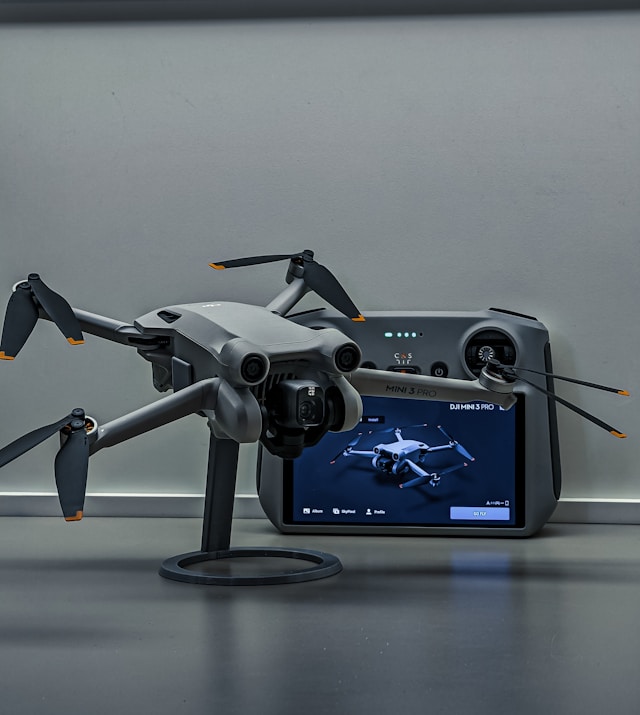
Entry-level commercial operations can launch with $3,000-$8,000 in initial equipment investments. A capable platform like the DJI Mini series or Air series provides sufficient image quality for real estate and basic inspection work. Essential accessories include spare batteries, charging infrastructure, memory cards, and protective cases.
Professional operations targeting premium services require $10,000-$25,000 in equipment investments. Enterprise-grade platforms with interchangeable payloads, thermal imaging sensors, and specialized cameras enable diverse service offerings. Professional equipment management becomes critical at this investment level.
Technology infrastructure beyond aircraft includes reliable computers for data processing, storage solutions for client deliverables, and specialized software for mission planning, image processing, and reporting. These operational tools often represent $2,000-$5,000 in additional investments.
Transportation equipment, including reliable vehicles capable of safely transporting equipment to remote sites, represents an often-overlooked cost. Field operations require appropriate transportation infrastructure to reach clients professionally and reliably.
Spare equipment and replacement parts create operational resilience. Propellers, batteries, and gimbal components wear through normal use. Maintaining backup components prevents minor failures from disrupting client commitments.
Business structure and insurance
Proper business structure provides legal protection and establishes professional credibility with clients. Most drone operators structure as sole proprietorships initially, transitioning to LLCs as operations scale and revenue increases.
The Small Business Administration provides comprehensive resources for selecting appropriate business structures, understanding tax implications, and establishing proper legal foundations. Consulting with qualified attorneys and accountants ensures proper setup for your specific situation and location.
Business registration requirements vary by state and municipality. Most jurisdictions require business licenses, and some have specific requirements for aviation-related services. Research local requirements thoroughly to ensure compliance.
Insurance provides essential risk management for commercial operations, though the FAA does not federally mandate coverage. However, professional operations require comprehensive liability insurance to protect against property damage and injury claims.
Liability coverage of $1 million represents industry standard for most commercial operations. Some clients, particularly government agencies and large corporations, require higher coverage limits of $2-5 million. Hull insurance protects your equipment investment against loss or damage during operations.
Additional insurance considerations include errors and omissions coverage for professional services, workers compensation if employing pilots, and commercial auto insurance for business vehicle use. Insurance costs typically range from $500-$2,000 annually depending on coverage levels and operational scope.
Pricing strategies and profitability
Strategic pricing balances competitive market rates with profitable business operations. Understanding your costs, market positioning, and value delivery enables sustainable pricing structures.
Hourly rates for basic drone services typically range from $150-$300 per hour depending on geographic market and service complexity. However, project-based pricing often provides better value capture, particularly for services requiring significant post-processing or specialized analysis.
Premium services like thermal imaging inspections command higher rates of $500-$2,000 per project due to specialized equipment and expertise requirements. Industrial inspection services for cell towers or wind turbines may reach $5,000-$10,000 per engagement.
Cost structure analysis ensures profitable operations. Direct costs include pilot time, equipment depreciation, battery replacements, insurance, and vehicle expenses. Indirect costs encompass marketing, software subscriptions, continuing education, and administrative overhead.
Profit margins vary significantly by service type and operational efficiency. Well-managed operations typically target 40-60% gross margins before accounting for owner compensation and business development activities.
Package pricing creates predictable revenue streams for recurring services. Construction progress documentation, agricultural monitoring, and facility inspection services benefit from monthly or seasonal contract structures that guarantee consistent work and cash flow.
Finding your first clients
Client acquisition strategies determine early business success. Effective approaches combine networking, digital marketing, and strategic relationship building to create sustainable deal pipelines.
Professional networking within target industries builds awareness and credibility. Attending construction association meetings, joining real estate investment groups, or participating in agricultural organizations creates opportunities to demonstrate expertise and establish relationships with potential clients.
Digital marketing establishes online presence and generates inbound leads. Professional websites showcasing portfolio work, service offerings, and client testimonials provide essential credibility. Search engine optimization for local markets helps potential clients discover your services.
Direct outreach to target clients requires research and personalization. Identify specific companies or organizations that align with your service capabilities, then develop tailored proposals demonstrating understanding of their needs and challenges. Managing these opportunities systematically using CRM tools prevents lost leads and enables consistent follow-up.
Partnership development with complementary service providers creates referral networks. Engineering firms, construction companies, and property management companies frequently need drone services but may not maintain in-house capabilities. Strategic partnerships provide mutual value while generating consistent referrals.
Portfolio development through initial projects, even at reduced rates, creates demonstration materials that attract premium clients. High-quality deliverables showcasing capabilities and professionalism help overcome skepticism from prospects unfamiliar with drone services.
Operations management and workflows
Professional operations management separates successful businesses from hobbyist operators. Systematic approaches to project coordination, quality assurance, and client communication create consistent, reliable service delivery.
Project planning begins with clear client requirements definition and site assessment. Understanding deliverable specifications, timeline constraints, and any special considerations ensures successful project execution. Pre-flight planning protocols verify regulatory compliance, weather suitability, and equipment readiness.
Flight operations follow standardized workflows that ensure safety, efficiency, and consistent quality. Systematic approaches to data capture, battery management, and backup procedures prevent missed shots or data loss that compromise project success.
Data processing represents significant operational work for most services. Organizing, processing, and delivering client files requires capable systems and efficient workflows. Systematic operations software helps coordinate multiple concurrent projects while tracking deliverable status and client communications.
Quality assurance processes verify deliverables meet specifications before client submission. Review protocols catch issues early when corrections are simpler and less costly. Consistent quality builds reputation and client confidence.
Documentation and compliance tracking maintains regulatory adherence and professional standards. Flight logs, maintenance records, and operational documentation protect against liability while supporting business growth.
Scaling from solo to team operations
Business growth eventually requires transitioning from solo operations to team-based structures. Strategic scaling maintains service quality while expanding operational capacity and revenue potential.
The transition to multi-pilot operations begins when demand consistently exceeds single-pilot capacity. Adding team members enables simultaneous project execution, geographic expansion, and service diversification. However, successful scaling requires systematic approaches to training, quality control, and operational coordination.
Pilot recruitment should prioritize reliability and professionalism alongside technical competence. Part 107 certification represents the baseline requirement, but operational experience, communication skills, and attention to detail determine long-term team member success.
Training programs establish consistent operational standards across team members. Standardized procedures for data capture, client interaction, and documentation ensure quality regardless of which pilot executes specific projects. Comprehensive pilot training maintains team competency and regulatory compliance.
Equipment allocation strategies balance resource optimization with accountability. Centralized equipment management prevents loss and ensures proper maintenance, while assignment protocols match appropriate resources to project requirements. Fleet management approaches become essential for multi-pilot operations.
Project coordination across multiple pilots requires systematic assignment workflows and communication protocols. Efficient team management systems enable efficient job assignment, real-time status updates, and clear accountability across distributed operations.
Financial management grows more complex with team operations. Pilot compensation structures, project cost allocation, and profitability analysis require more sophisticated approaches. Professional invoicing systems that link projects to pilots and track time investments enable accurate financial management.
Frequently Asked Questions
How much does it cost to start a drone business?
Initial startup costs range from $5,000-$15,000 for most commercial operations, including equipment ($3,000-$10,000), Part 107 certification ($175-$500 with study materials), business registration ($100-$500), insurance ($500-$2,000 annually), and marketing materials ($500-$2,000). Premium service offerings requiring specialized sensors may require $20,000-$30,000 in initial investments.
Do I need a business license to operate a drone commercially?
Yes, commercial drone operations require both FAA Part 107 certification and appropriate business licenses for your state and local jurisdiction. Requirements vary by location, so research specific requirements with your city, county, and state business licensing authorities. Most operators establish LLC structures for liability protection as operations scale.
How long does it take to become profitable?
Most drone businesses achieve break-even within 6-12 months if operators pursue clients actively and manage costs carefully. Profitability timelines depend on service pricing, client acquisition speed, and operational efficiency. Operations targeting premium services like specialized inspections or mapping and surveying operations may reach profitability faster due to higher project values.
Can I operate a drone business part-time?
Part-time drone operations work well initially, allowing operators to build experience and client relationships while maintaining other income sources. However, client service quality and business growth require consistent availability for project execution and communication. Most successful operators transition to full-time operations once revenue consistently supports their income requirements.
Implementation considerations
Successful drone business launch requires systematic execution across multiple operational dimensions. Operators who approach each element strategically position themselves for sustainable growth.
Technology infrastructure decisions significantly impact operational efficiency. Comprehensive operations management platforms streamline project coordination, client communication, equipment tracking, and regulatory compliance. These systems become increasingly valuable as operations scale beyond individual capacity to manage manually.
Marketing and business development deserve consistent attention from launch. Building brand awareness, demonstrating expertise, and establishing credibility require ongoing investment. Content marketing, portfolio development, and strategic networking create sustained lead generation.
Financial management establishes foundation for growth. Understanding true project costs, maintaining adequate cash reserves, and making strategic reinvestment decisions determine long-term business sustainability. Professional bookkeeping and financial planning prevent common pitfalls that derail growing operations.
Continuing education keeps operators current with regulatory changes, technology advances, and industry best practices. The drone industry evolves rapidly, requiring ongoing learning to maintain competitive positioning and operational excellence.
In summary
Starting a commercial drone business in 2025 offers significant opportunities for entrepreneurs willing to approach operations professionally and systematically. Success requires more than flying skills—operators must navigate regulatory requirements, select appropriate service niches, invest strategically in equipment, and establish professional operations that deliver consistent value to clients.
The path from initial certification to profitable operations involves multiple steps, each requiring attention and proper execution. FAA certification provides legal foundation, while strategic niche selection and appropriate equipment investments enable service delivery. Professional business structure, adequate insurance coverage, and realistic pricing ensure sustainable operations.
Client acquisition combines networking, marketing, and relationship building to create consistent project pipelines. Systematic operations management maintains quality and efficiency as project volume grows. Strategic scaling transitions solo operations into team-based enterprises capable of serving larger markets and more complex projects.
The commercial drone industry continues maturing, with established operators demonstrating sustainable profitability across multiple service segments. Entrepreneurs who invest time in proper planning, systematic execution, and continuous improvement position themselves to capture opportunities in this growing market.
Ready to Launch Your Professional Drone Business?
Building a successful drone business requires more than great flying skills—professional operations demand systematic approaches to project management, client relationships, equipment tracking, and regulatory compliance. From your first client meeting to scaling multi-pilot operations, the right operational foundation determines business success.
DroneBundle provides comprehensive operations management designed specifically for commercial drone businesses. Manage projects and job workflows, track equipment and maintenance schedules, coordinate team assignments, maintain compliance documentation, and deliver professional client experiences through integrated tools built for drone operations.
Start your free trial today - no credit card required.
Or book a demo to see how DroneBundle helps drone businesses scale efficiently with professional project management and complete operations workflows.