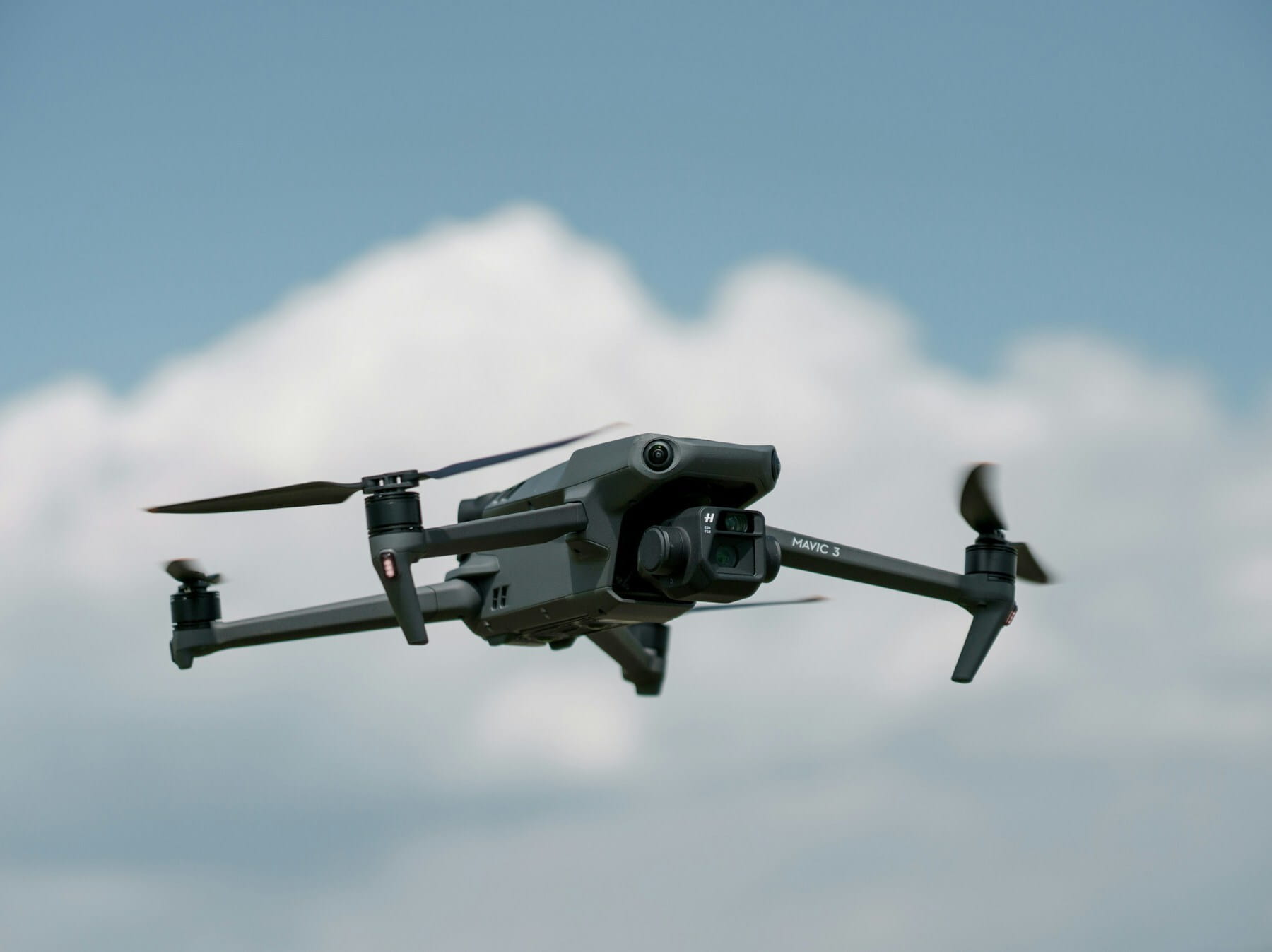
What is Drone Inspection Software?
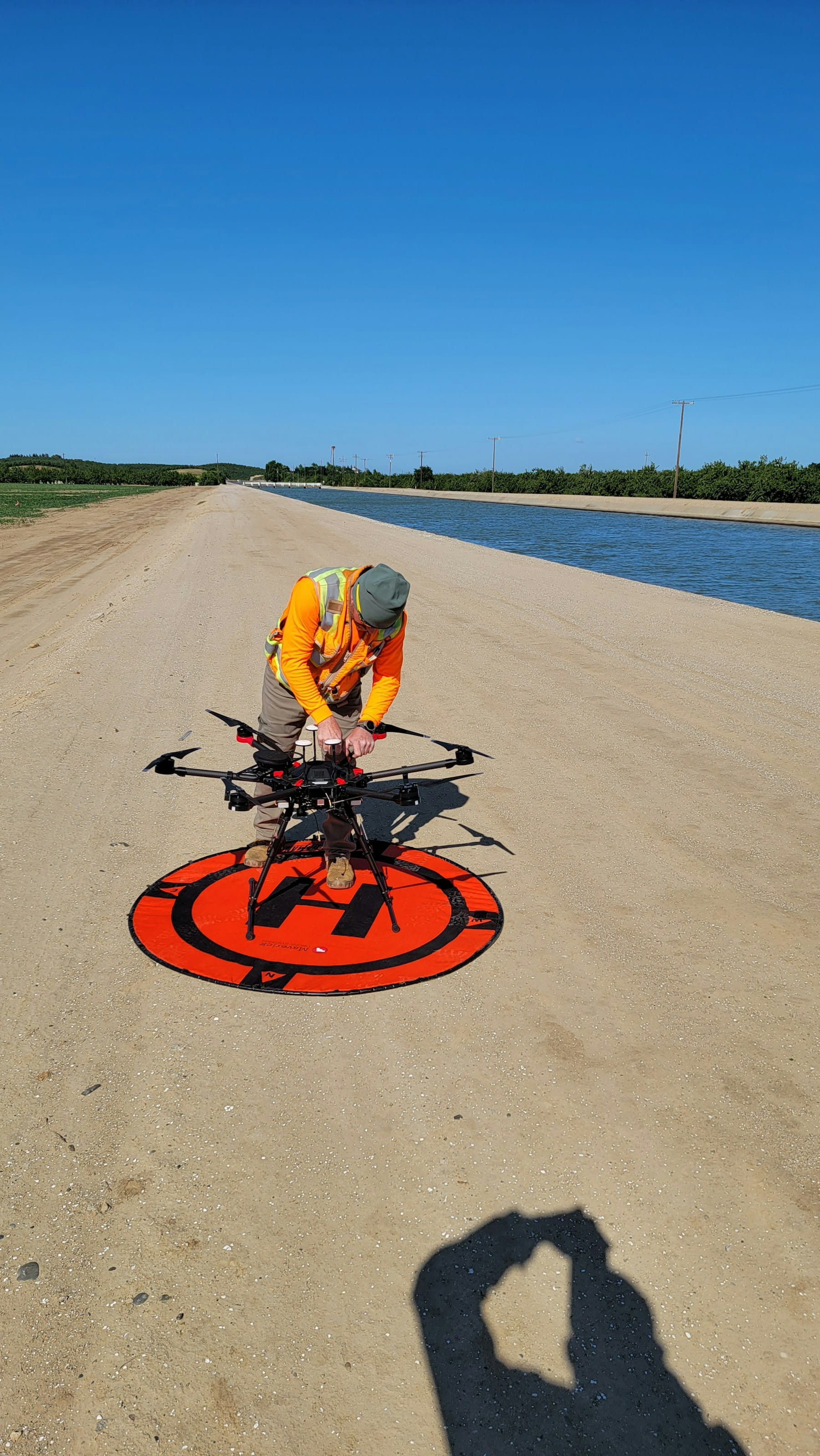
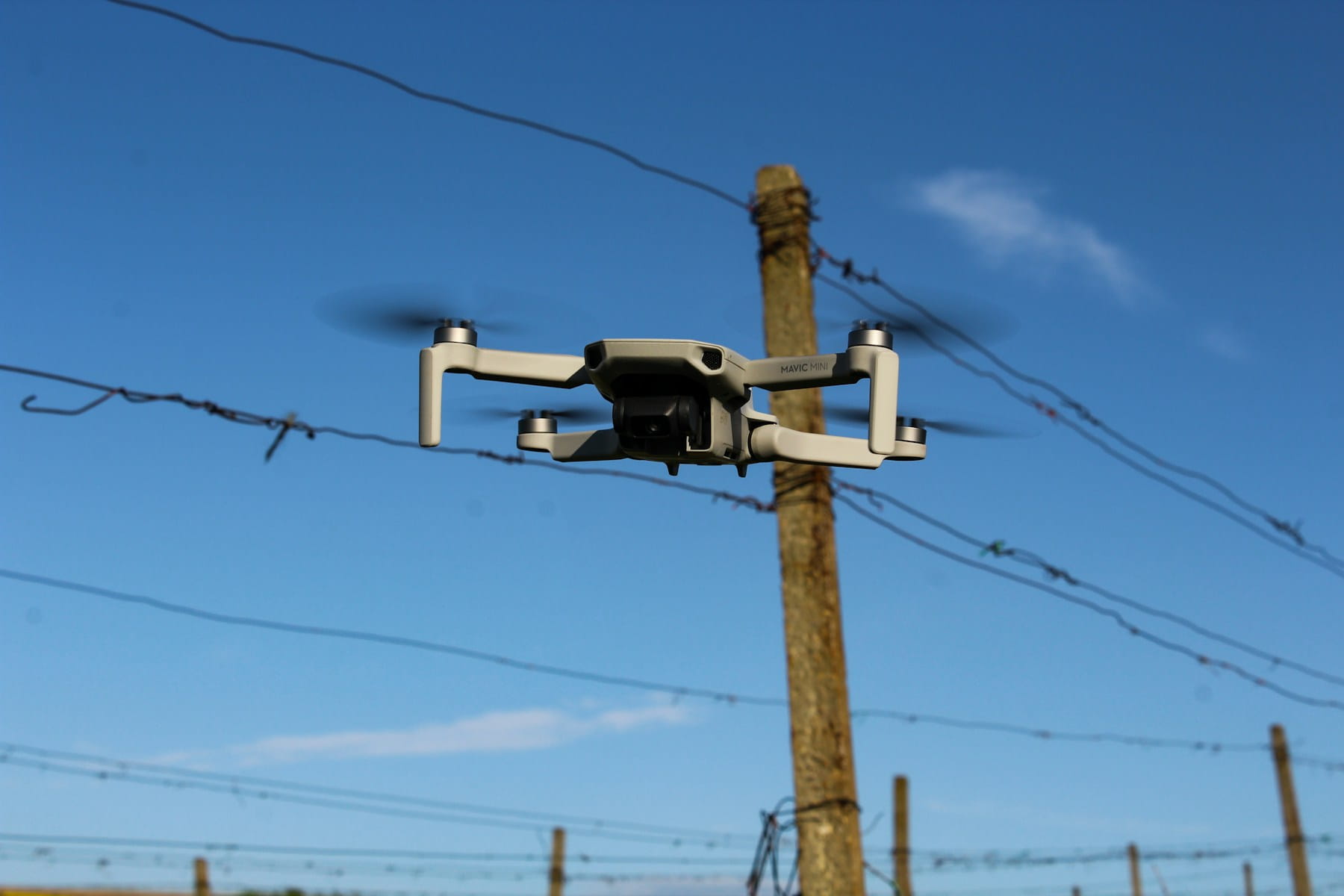
Drone inspection software is a specialized platform that enables businesses to plan, execute, and analyze aerial inspections of infrastructure, facilities, and assets using unmanned aerial systems (UAS). These solutions combine automated flight planning, real-time data capture, AI-powered defect detection, and comprehensive reporting to transform manual inspection processes into efficient, data-driven workflows that improve safety, reduce costs, and deliver actionable insights.
Manual inspections of critical infrastructure are expensive, time-consuming, and dangerous. Whether your team inspects cell towers, power lines, bridges, or solar farms, traditional ground-based methods require significant resources and expose personnel to elevated risks.
Drone inspection software has emerged as a transformative solution for commercial operators across construction, utilities, energy, and infrastructure sectors. These platforms automate flight planning, enable real-time collaboration, detect defects using AI, and generate compliance-ready reports that turn raw data into business intelligence.
The inspection software market reflects this transformation. Valued at $350 million in 2023, the sector is projected to reach $875 million by 2028, growing at an 18% compound annual growth rate. According to MarketsandMarkets research, software now represents 47.6% of the entire drone inspection market share, surpassing hardware as the primary value driver.
Core Capabilities of Drone Inspection Software
Professional drone inspection platforms deliver more than basic image capture. Modern solutions integrate capabilities across the inspection lifecycle.
Automated Flight Planning enables operators to design precise flight paths around complex structures and program automated missions that ensure consistent data capture. This automation eliminates human error and enables accurate before-and-after comparisons.
AI-Powered Defect Detection uses machine learning algorithms to identify cracks, corrosion, hotspots, vegetation encroachment, and other anomalies automatically. These systems flag potential issues for human review, dramatically reducing the time required to process inspection data.
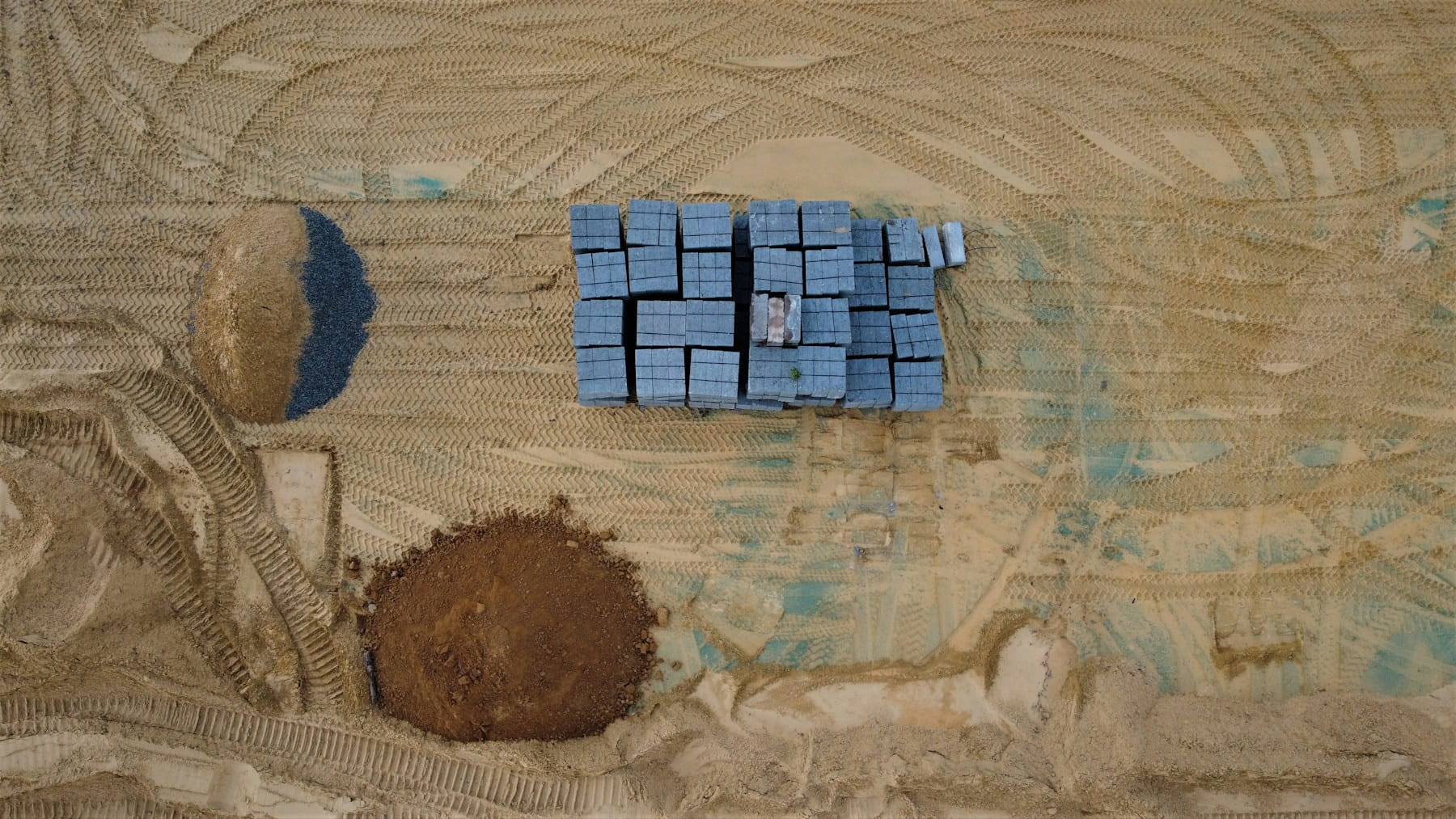
3D Modeling and Photogrammetry transforms 2D images into dimensional models. Teams can measure distances, calculate areas, and document conditions with millimeter-level precision. These models become digital twins that support maintenance planning and historical tracking.
Reporting and Documentation capabilities automatically generate inspection reports that meet industry standards and regulatory requirements. Templates incorporate branding, technical specifications, findings summaries, and photographic evidence in formats ready for client delivery.
Asset Management Integration connects inspection findings to broader facility databases. Leading platforms maintain historical records, track condition changes over time, and trigger maintenance workflows based on detected defects.
Industry Applications and Use Cases
Construction and Development teams use inspection software to monitor project progress and infrastructure inspections and verify contractor work quality. AI algorithms can compare actual construction against BIM models to identify deviations early. Automated flight missions ensure consistent viewpoints for stakeholder updates and project management.
Utilities and Power Distribution represent one of the largest commercial drone inspection markets. Electric utilities inspect transmission towers, power lines, and substations to identify equipment degradation and vegetation encroachment before outages occur. Thermal imaging identifies hot connections and damaged insulators invisible to visual inspection.
Solar and Wind Energy facilities require regular inspections to maintain generation efficiency. Solar farm operators use thermal cameras to identify underperforming panels and electrical faults. Wind turbine inspections benefit from automated blade scanning that detects cracks, erosion, and lightning strike damage for predictive maintenance.
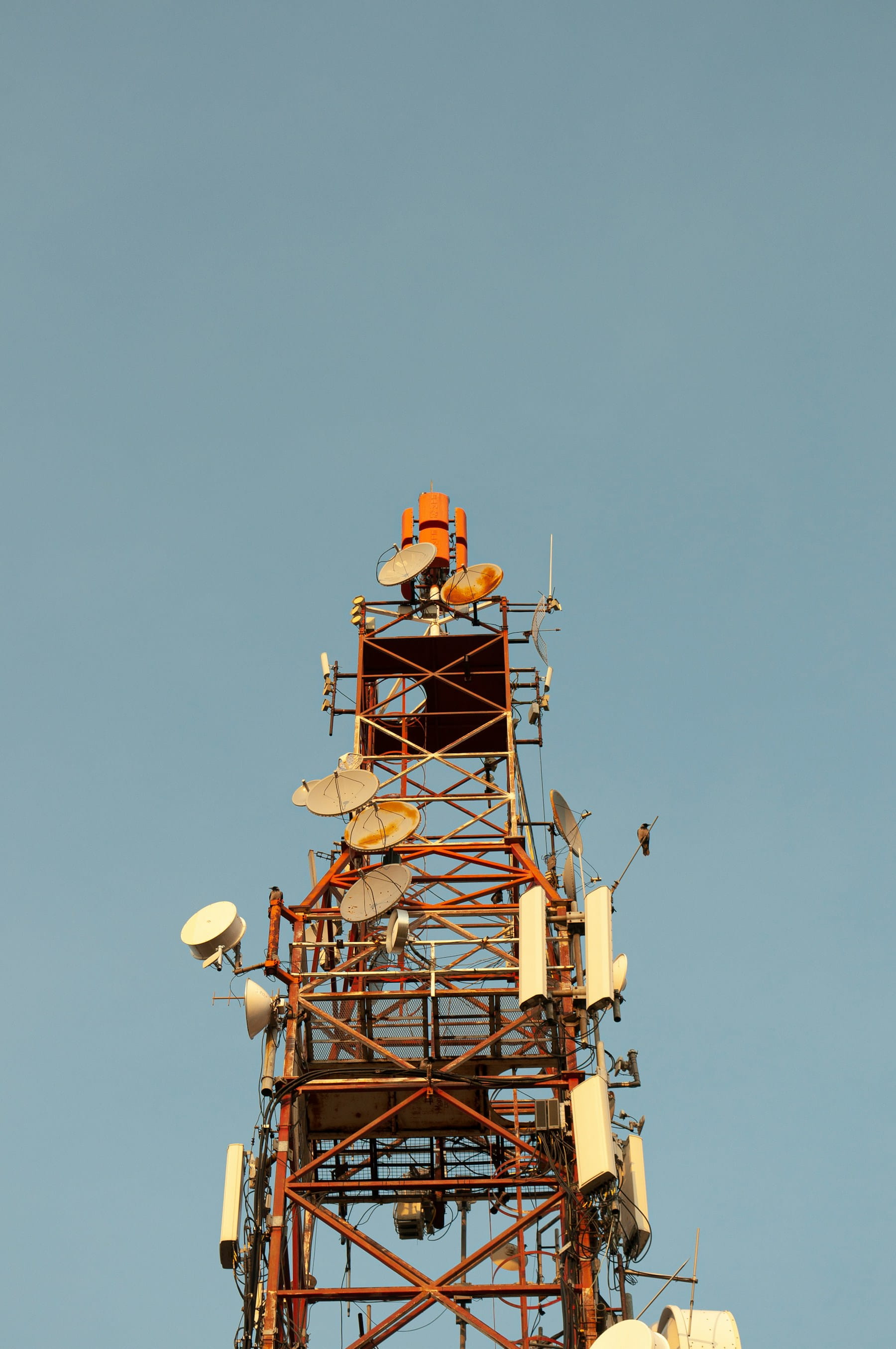
Telecommunications Infrastructure inspection focuses on cell towers and tower inspections, antenna arrays, and mounting hardware. Specialized flight modes orbit towers at multiple elevations, capturing 360-degree coverage. This documentation supports lease compliance, maintenance planning, and network upgrades.
AI and Machine Learning in Automated Inspections
Artificial intelligence has transformed drone inspection software from data capture tools into intelligent analysis platforms that accelerate defect identification and reduce human review time.
Automated Defect Detection algorithms trained on millions of labeled images identify specific damage types with high accuracy. Crack detection systems analyze concrete and asphalt surfaces to map fissures and classify severity. Corrosion detection examines metal surfaces for rust and coating failures.
These AI models amplify human expertise. Rather than reviewing thousands of images manually, inspectors focus on flagged anomalies, verify algorithm findings, and make engineering judgments about required interventions. This collaboration increases inspection throughput by orders of magnitude.
Pattern Recognition identifies complex degradation patterns and failure modes. Machine learning systems recognize vegetation growth patterns near power lines and predict encroachment timelines. Thermal pattern analysis on solar panels identifies entire strings with electrical issues rather than just individual cells.
Predictive Maintenance capabilities emerge when AI systems analyze historical inspection data to forecast equipment failures and optimize maintenance scheduling. Wind turbine blade platforms can predict remaining useful life based on detected erosion rates, enabling scheduled repairs during planned downtime.
Classification and Prioritization algorithms assess severity and urgency to support decision-making. Utility platforms might classify insulator damage as minor, moderate, or critical based on crack patterns. This automated triage helps maintenance teams prioritize resources on highest-risk issues.
Organizations report 70-80% reductions in image review time with AI-powered inspection. For enterprises managing thousands of infrastructure assets, this efficiency gain makes comprehensive inspection programs economically viable.
Key Benefits and ROI for Commercial Operators
Safety Improvements rank among the most compelling advantages. Eliminating the need for personnel to climb towers or work at heights directly reduces injury risk. Insurance providers increasingly recognize this risk reduction through premium adjustments.
Cost Reduction manifests across multiple categories. Infrastructure owners report 40-60% cost savings on inspection projects after accounting for mobilization, access equipment, traffic control, and labor. These savings compound over time as inspection frequencies increase.
Inspection Speed and Frequency improvements enable proactive asset management. What previously required annual or multi-year inspection cycles can now occur quarterly or monthly, providing greater visibility into asset conditions.
Data Quality and Consistency improve when automated flight missions replace manual methods. Identical flight paths and camera settings ensure comparable datasets that accurately reveal condition changes over time. High-resolution imagery and precise positioning provide documentation detail that exceeds manual inspection.
Documentation and Compliance benefits extend throughout organizational operations. Organizations subject to regulatory inspection requirements find that drone platforms simplify compliance documentation. Automated reports reduce the administrative burden of regulatory submissions.
Return on investment timelines for drone inspection software typically range from 6-18 months depending on inspection volumes and asset types. Organizations with extensive infrastructure portfolios achieve faster payback.
Software Selection Guide
Selecting the right platform requires evaluating capabilities against operational requirements.
Industry Specialization is critical. Some platforms optimize for specific verticals (utilities, construction, telecommunications) with industry-specific workflows and reporting templates. Reference customers operating similar assets provide the most relevant validation.
AI and Automation Capabilities vary significantly. Evaluate which specific defect types the algorithms recognize, accuracy metrics, and how the system handles training improvements. Request demonstrations using your actual asset types and typical defect scenarios.
Integration Capabilities determine how well software fits into broader systems. Leading platforms integrate with enterprise asset management, GIS databases, and work order systems through APIs and pre-built connectors.
Deployment Options include cloud-based SaaS, on-premises, and hybrid architectures. Cloud platforms offer easier deployment and automatic updates. On-premises solutions provide data control but require IT support.
Pricing Models vary from per-user subscriptions to usage-based pricing. Understand all cost components including platform fees, storage charges, AI processing costs, and support fees. Total cost of ownership includes training and integration development.
Compliance and Regulatory Requirements
Drone inspection software must support regulatory compliance at multiple levels.
Aviation Compliance begins with flight planning capabilities that enforce regulatory restrictions. Platforms should incorporate airspace data, restricted zones, and altitude limitations. Automated pre-flight checks verify pilot certifications and aircraft registrations.
According to FAA regulations under 14 CFR Part 107, the remote pilot in command must allow inspection of the unmanned aircraft system upon request. Comprehensive software helps operators maintain audit-ready records through automated logging.
Industry Standards Compliance varies by sector. ASTM International has developed multiple standards supporting drone operations, including specific guidance for building facade inspections and infrastructure assessments. Leading platforms provide templates aligned with these standards.
Documentation and Record Retention capabilities must support organizational requirements for data preservation. Platforms should support litigation hold capabilities and systematic record retention policies. Time-stamping, user tracking, and access logging establish data integrity.
Frequently Asked Questions
What industries benefit most from drone inspection software?
Utilities, construction, infrastructure management, telecommunications, and energy sectors derive the greatest value from drone inspection platforms. These industries manage distributed physical assets requiring regular inspections where traditional methods are expensive, dangerous, or time-consuming. Organizations with large infrastructure portfolios or safety-critical operations achieve the fastest ROI.
How does AI-powered defect detection compare to manual inspection?
AI algorithms excel at rapidly processing large image datasets and identifying specific defect types with consistent accuracy. However, they complement rather than replace human expertise. Machine learning systems flag potential issues for human review, dramatically reducing the time inspectors spend examining normal conditions. The combination of AI efficiency and human judgment delivers superior results.
What are the typical costs for drone inspection software platforms?
Pricing models vary significantly, ranging from $200-500 per month for basic solutions to $50,000+ annually for enterprise platforms with advanced AI and dedicated support. Most commercial platforms price between $3,000-15,000 annually depending on user count, feature sets, and data volumes. Organizations should evaluate total cost of ownership including training, integration, and storage.
Can drone inspection software integrate with existing asset management systems?
Leading platforms provide integration capabilities through APIs, webhooks, and pre-built connectors for major enterprise asset management systems. Integration depth varies from basic data export to real-time bidirectional synchronization where inspection findings automatically create work orders. Organizations should evaluate integration requirements early in platform selection.
Implementation Considerations
Successfully deploying drone inspection software requires thoughtful planning beyond technical platform selection. Organizations should establish clear objectives including target assets, inspection frequencies, required data outputs, and success metrics.
Team training extends beyond basic platform operation to include inspection methodology and data quality standards. Investing in comprehensive pilot training during implementation prevents developing habits that undermine platform capabilities. Many organizations benefit from phased rollouts.
Data governance policies established early prevent future complications. Define standards for naming conventions, metadata requirements, quality control procedures, and retention policies before accumulating large datasets.
Integration planning should map data flows between the inspection platform and related systems including flight operations management, asset management, GIS, and reporting tools. Understanding these connections ensures inspection data reaches decision-makers in usable formats.
In Summary
Drone inspection software has evolved from basic image capture tools into comprehensive platforms that transform how organizations conduct professional surveying and inspection operations and maintain critical infrastructure. The integration of AI-powered defect detection, automated flight planning, and enterprise system integration delivers operational efficiencies beyond traditional aerial photography.
The compelling business case (improved safety, reduced costs, increased inspection frequency, superior data quality) explains the 18% annual market growth and widespread adoption across commercial sectors. Organizations that previously viewed drone inspections as experimental now consider them essential operational capabilities.
Successful implementation requires matching platform capabilities to specific operational requirements while considering integration, scalability, and compliance needs. The most effective programs combine appropriate technology with well-trained teams, clear processes, and executive support for data-driven asset management.
Ready to Streamline Your Inspection Business Operations?
DroneBundle provides comprehensive drone fleet management for inspection businesses. Our platform handles the operational backbone including flight planning and scheduling, team coordination, equipment tracking, and compliance management so your team can focus on conducting inspections and analyzing results.
Whether you're running infrastructure inspections, facility assessments, or asset monitoring programs, DroneBundle manages your operations with weather integration for safe flight decisions, 3D flight replay for post-flight review, pilot management and job assignments, automated flight logging for regulatory compliance, and client management with professional invoicing. Our platform supports inspection businesses across construction, utilities, and surveying sectors.
Start your free trial today - no credit card required.
Or book a demo to see how DroneBundle helps inspection companies manage their drone operations efficiently and compliantly.