What is Automated Drone Maintenance Scheduling?
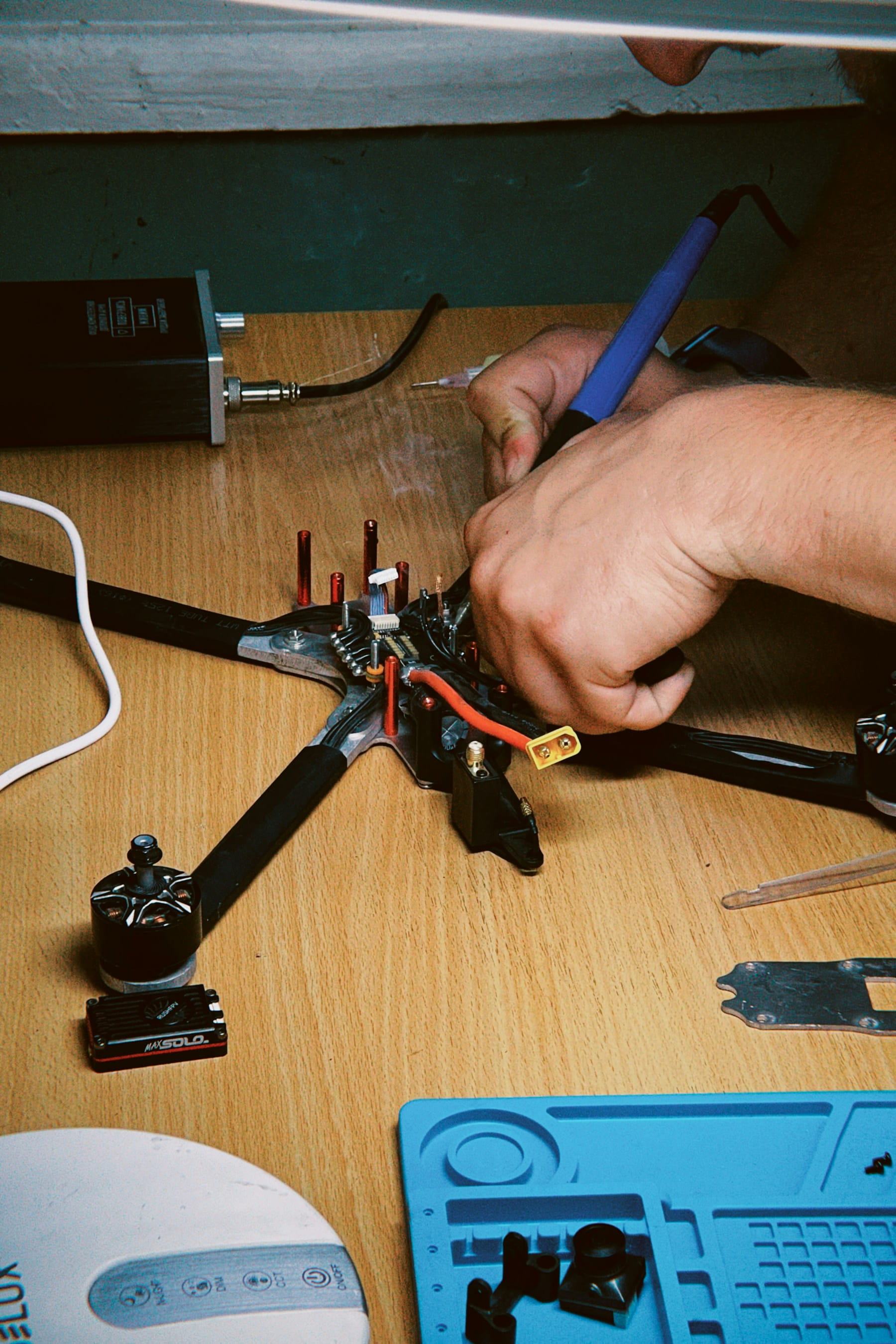
Automated drone maintenance scheduling uses software systems to track flight hours, monitor component lifecycles, and generate maintenance alerts based on predefined intervals. This approach eliminates manual tracking errors, prevents missed inspections, and optimizes aircraft availability by scheduling maintenance during operational downtime rather than reactive repairs during peak demand.
Why maintenance scheduling matters
Unscheduled maintenance creates operational chaos. Aircraft grounded unexpectedly during critical missions damage client relationships and revenue streams. A systematic scheduling approach transforms maintenance from a reactive burden into a predictable operational component.
The financial impact extends beyond direct repair costs. Emergency maintenance typically costs 3-5 times more than planned service. Rush parts orders, technician overtime, and revenue loss from grounded aircraft compound the expense. A well-scheduled maintenance program prevents these cascading costs.
Safety considerations drive maintenance scheduling requirements. FAA commercial operators must demonstrate systematic approaches to aircraft maintenance. Aviation authorities worldwide expect operators to maintain aircraft in airworthy condition through regular inspections and service.
Operational efficiency improves when maintenance aligns with natural workflow breaks. Scheduling service during off-peak periods or between projects maintains maximum aircraft availability during high-demand windows. This optimization becomes critical for operations with tight margins or seasonal demand patterns, particularly for drone fleet management operations.
Component longevity increases with proper maintenance timing. Servicing components before they fail prevents secondary damage that occurs when worn parts remain in service. Preventive maintenance extends overall equipment life while reducing total ownership costs.
Calendar vs hour-based scheduling
Calendar-based maintenance follows fixed time intervals regardless of actual aircraft usage. Monthly, quarterly, or annual schedules provide predictable maintenance windows and simple tracking requirements. This approach works well for aircraft with consistent utilization patterns.
The primary limitation of calendar scheduling appears with variable usage patterns. Aircraft flying 100 hours monthly require more frequent attention than those flying 10 hours monthly, yet calendar schedules treat both identically. This mismatch creates either excessive maintenance costs or inadequate service intervals.
Hour-based scheduling ties maintenance to actual aircraft usage. Flight hour meters or automated logging systems track cumulative operating time and trigger alerts at predetermined thresholds. This method aligns maintenance needs with actual wear patterns.
Implementation challenges for hour-based systems include accurate flight time tracking and coordination across multiple aircraft. Manual logging creates opportunities for errors or omissions. Automated tracking through flight data monitoring and flight log automation eliminates these issues while providing additional operational insights.
Hybrid approaches combine both methods for optimal results. Critical safety items might follow hour-based intervals while other components use calendar schedules. Battery replacements typically use cycle counts, propeller inspections use flight hours, and annual certifications follow calendar dates.
The following table compares scheduling approaches for common maintenance tasks:
| Maintenance Task | Calendar-Based | Hour-Based | Hybrid Approach |
|---|---|---|---|
| Pre-flight inspection | Daily | Every flight | Every flight |
| Propeller inspection | Weekly | Every 10 hours | Every 10 hours or weekly |
| Battery service | Monthly | Every 100 cycles | Every 100 cycles or quarterly |
| Major inspection | Annually | Every 200 hours | Whichever comes first |
| Firmware updates | As released | N/A | Quarterly or as critical |
Automated scheduling systems
Modern scheduling software eliminates manual tracking overhead while improving maintenance accuracy. These systems monitor flight hours, component lifecycles, and inspection intervals automatically. Alerts notify maintenance teams when service approaches, preventing missed maintenance windows.
Integration with operational systems provides comprehensive fleet visibility. Software that connects flight planning, operational scheduling, and maintenance tracking enables better resource allocation. This integration prevents maintenance conflicts with scheduled missions.
Maintenance management platforms track individual aircraft and component histories. Serial number tracking, installation dates, and service records create comprehensive maintenance profiles. This information supports warranty claims, failure analysis, and regulatory compliance. Modern drone operations software integrates these capabilities into unified platforms.
Alert systems generate notifications through multiple channels. Email alerts, mobile app notifications, and dashboard warnings ensure maintenance teams receive timely information regardless of their location. Configurable lead times provide advance warning before maintenance becomes due.
Work order automation streamlines maintenance execution. Systems can automatically generate work orders when maintenance triggers, assign tasks to qualified technicians, and track completion status. This automation reduces administrative burden while ensuring nothing falls through the cracks.
Mobile access enables field updates and real-time information access. Technicians can review maintenance histories, update work orders, and document completed tasks using smartphones or tablets. This capability improves documentation accuracy while reducing paperwork delays.
Reporting capabilities transform maintenance data into actionable insights. Trend analysis identifies recurring issues, cost reporting highlights expense patterns, and reliability metrics measure maintenance program effectiveness. Custom reports support operational planning and continuous improvement efforts.
Creating effective maintenance intervals
Manufacturer recommendations provide baseline maintenance schedules based on engineering analysis and testing. ASTM F3366 standards define requirements for General Maintenance Manuals that manufacturers provide with UAS systems. These schedules represent minimum requirements for typical operating conditions. Operators should treat manufacturer intervals as starting points rather than absolute requirements.
Operating environment significantly affects optimal maintenance intervals. Construction site operations expose aircraft to dust and debris requiring more frequent cleaning and inspection. Coastal operations accelerate corrosion necessitating additional protective measures and inspections.
Usage intensity influences component wear patterns. Aircraft conducting aggressive inspection maneuvers stress systems differently than those performing smooth mapping flights. High-vibration operations require more frequent fastener inspections and structural examinations.
Historical maintenance data reveals actual component service lives under specific operational conditions. Tracking when components fail or require service builds experience-based intervals that reflect real-world performance rather than theoretical estimates.
Start conservative with new operations or aircraft types. Initial intervals should err toward more frequent service until operational experience validates optimal timing. Gradually extend intervals as data supports longer service lives while maintaining adequate safety margins.
Component criticality determines appropriate maintenance frequencies. Flight-critical systems warrant more conservative intervals than non-essential equipment. Risk assessment helps balance safety requirements against operational efficiency.
The following list outlines typical maintenance interval categories:
- Daily pre-flight inspections before each flight or flight sequence
- Post-flight inspections after every 5-10 flight hours or daily operations
- Weekly detailed inspections covering all major systems
- Monthly comprehensive service including calibrations and firmware updates
- Quarterly major maintenance with component replacements and testing
- Annual certifications and overhauls per regulatory requirements
Scheduling around operational demands
Peak operational periods require maximum aircraft availability. Scheduling major maintenance during off-peak windows prevents service conflicts with critical missions. Understanding operational cycles enables strategic maintenance timing.
Seasonal patterns affect many drone service businesses. Agricultural drone operations face intense demand during planting and harvest seasons. Construction inspections peak during favorable weather months. Public safety fleets need maximum readiness during summer recreation seasons and winter storms.
Project-based scheduling aligns maintenance with natural operational breaks. Service aircraft between major projects rather than during active deployments. This approach maintains availability when clients depend on your services while utilizing downtime productively. Coordinate maintenance windows with your mission planning calendar for optimal efficiency.
Staggered maintenance prevents simultaneous aircraft unavailability. With multiple aircraft, schedule service on rotating basis rather than all at once. This strategy maintains operational capacity even during maintenance periods.
Buffer time in schedules accommodates unexpected maintenance discoveries. Allocating extra time for each service window prevents operational disruptions when technicians find additional issues requiring attention. Better to schedule conservatively than promise availability you cannot deliver.
Emergency maintenance priorities override standard schedules when safety concerns arise. Systems for identifying and escalating critical issues ensure immediate attention to airworthiness problems regardless of scheduling convenience.
Maintenance scheduling software optimizes service timing automatically. Advanced systems consider operational schedules, aircraft utilization patterns, parts availability, and technician capacity to recommend optimal maintenance windows. This optimization reduces both costs and operational disruptions.
Cost savings through proper scheduling
Preventive maintenance costs less than reactive repairs. Scheduled service during planned downtime avoids premium pricing for emergency technician callouts and expedited parts shipping. The cost difference often exceeds 300% between planned and emergency service.
Component life extension through timely service reduces replacement frequency. Changing engine oil on schedule prevents bearing damage that requires motor replacement. Battery maintenance extends cycle life and delays expensive replacements. Proper equipment management ensures small preventive investments protect larger component values.
Labor efficiency improves with scheduled maintenance. Technicians prepare necessary parts, tools, and documentation in advance rather than scrambling during emergencies. Batch processing similar tasks across multiple aircraft reduces setup time and improves productivity.
Warranty protection requires documented scheduled maintenance. Manufacturer warranties typically exclude failures resulting from inadequate maintenance. Systematic scheduling with proper documentation preserves warranty coverage and reduces out-of-pocket repair costs.
Operational revenue increases when aircraft remain available during high-value periods. Strategic maintenance timing during low-demand windows maximizes revenue potential. For businesses scaling drone operations, the opportunity cost of grounded aircraft during peak seasons far exceeds maintenance scheduling benefits.
Insurance premiums reflect maintenance practices. Insurers recognize systematic maintenance programs as risk reduction measures. Some policies offer premium discounts for operations with documented preventive maintenance programs and low incident rates.
Resale value improves with comprehensive maintenance records. Complete service histories demonstrate proper care and increase buyer confidence. Well-maintained aircraft command premium prices in secondary markets compared to those with incomplete records.
Compliance and documentation tracking
Regulatory requirements mandate maintenance documentation for commercial operations. Aviation authorities expect operators to demonstrate systematic maintenance programs with detailed records. Automated scheduling systems create audit trails that satisfy regulatory scrutiny.
Compliance tracking within scheduling software flags approaching regulatory deadlines. Annual inspections, pilot certificate renewals, and insurance policy expirations receive automated alerts preventing inadvertent lapses. This tracking reduces administrative burden while ensuring compliance.
Documentation generation capabilities streamline record keeping. Systems can automatically create maintenance logs, work orders, and completion certificates. Digital signatures and timestamps provide authentication for regulatory compliance and quality assurance.
Standardized procedures embedded in scheduling systems ensure consistent maintenance execution. Checklists, technical references, and approved procedures guide technicians through proper service sequences. This standardization reduces variability and improves quality.
ISO 21384-3 standards specify requirements for UAS operational procedures including maintenance documentation. Operators seeking certification benefit from scheduling systems that align with these international standards.
Archive retention capabilities preserve historical records per regulatory requirements. Cloud-based systems provide secure long-term storage with instant retrieval for audits or incident investigations. Automated backups prevent data loss from equipment failures.
Integration with compliance management platforms creates comprehensive operational documentation. Maintenance records combine with flight logs, pilot certifications, and operational authorizations in unified systems. This integration simplifies regulatory reporting and audit responses.
Frequently asked questions
How much does maintenance scheduling software cost?
Entry-level scheduling systems start around $50-100 per aircraft monthly for cloud-based platforms. Mid-tier solutions with advanced features typically cost $100-200 per aircraft monthly. Enterprise systems for large fleets may require custom pricing. Implementation costs vary but typically range from 5-20 hours for initial setup and data migration. Calculate ROI by comparing software costs against the expense of a single emergency maintenance event, which often exceeds annual software investment.
Can I use spreadsheets instead of dedicated software?
Spreadsheets work for very small operations with 1-2 aircraft. Manual tracking becomes error-prone and time-consuming with larger fleets or complex maintenance requirements. Spreadsheets lack automated alerts, mobile access, and integration capabilities that specialized software provides. Most operations find spreadsheet maintenance tracking breaks down around 3-5 aircraft. Consider your growth trajectory when making this decision.
How do I handle maintenance when aircraft are deployed remotely?
Remote maintenance scheduling requires advance planning and local service capabilities. Schedule major maintenance before deployments rather than during field operations. Maintain field-serviceable spare parts inventories at remote sites. Mobile maintenance tracking enables technicians to document service regardless of location. Some operations partner with local service providers in deployment areas for emergency support.
What happens if I miss a scheduled maintenance?
Most scheduling systems allow grace periods for minor delays but flag overdue maintenance prominently. Operating aircraft past critical maintenance deadlines violates regulatory requirements and may void insurance coverage. Return aircraft to service only after completing overdue maintenance and documenting the delay. Investigate why scheduling failed and implement corrective measures to prevent recurrence.
Implementation considerations
Start implementation with accurate baseline data. Document current aircraft configurations, component serial numbers, and maintenance histories. Incomplete initial data creates ongoing accuracy problems that undermine scheduling effectiveness.
Pilot programs test scheduling systems before fleet-wide rollout. Select 2-3 representative aircraft for initial implementation. This approach identifies configuration issues and workflow adjustments needed before expanding to the full fleet.
Training investment determines system adoption success. Allocate time for comprehensive technician and administrator training. Poor training creates workarounds that undermine system benefits and reduce data quality.
Change management addresses organizational resistance to new procedures. Explain scheduling benefits and involve maintenance teams in system configuration. Staff buy-in proves critical for successful implementation and long-term adoption.
Integration planning connects scheduling systems with existing operational tools. Determine data exchange requirements between flight planning, operational management, and maintenance platforms. Integration complexity varies significantly between systems.
Customization needs versus out-of-box functionality creates implementation tradeoffs. Extensive customization increases initial costs and ongoing maintenance complexity. Evaluate whether standard features meet most requirements before pursuing custom development.
Vendor selection criteria include industry experience, system scalability, support quality, and long-term viability. Request references from similar operations and conduct thorough demonstrations before committing. Consider total cost of ownership including implementation, training, and ongoing fees.
In summary
Automated maintenance scheduling transforms aircraft maintenance from reactive fire-fighting into strategic operational planning. The transition requires initial investment in software, training, and process development but delivers substantial returns through reduced costs, improved availability, and enhanced safety.
Technology continues advancing with predictive maintenance capabilities, artificial intelligence, and deeper operational integration. Early adopters of systematic scheduling establish competitive advantages that compound over time through improved reliability and lower operating costs.
Success requires commitment to systematic approaches and data-driven decision making. Organizations that embrace scheduling automation position themselves for sustainable growth while maintaining the safety and reliability standards that commercial operations demand.
Ready to Eliminate Maintenance Headaches?
DroneBundle's automated maintenance scheduling transforms how commercial operators manage their fleets. Our platform tracks flight hours, monitors component lifecycles, and generates maintenance alerts automatically, ensuring nothing falls through the cracks.
Stop scrambling with spreadsheets and missed inspections. Professional operators trust DroneBundle to maintain compliance, reduce downtime, and optimize operational efficiency through intelligent scheduling.
Start your free trial today - no credit card required.
Or book a demo to see how DroneBundle integrates maintenance scheduling with flight operations and compliance tracking.