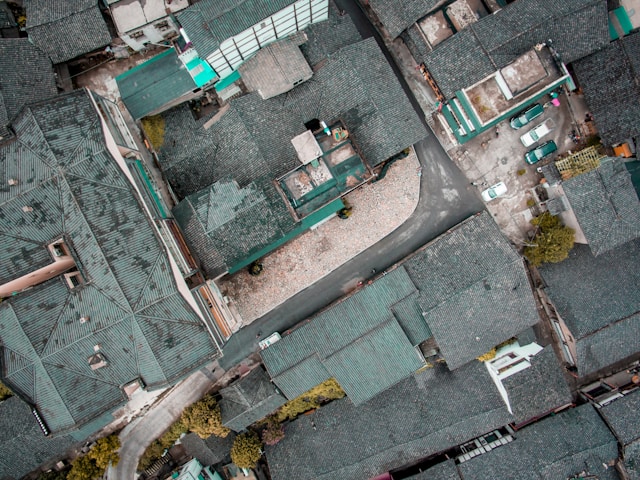
What is Drone Roof Inspection?
Drone roof inspection uses unmanned aerial vehicles equipped with high-resolution and thermal cameras to assess roof condition without requiring personnel to climb onto the structure. This method captures detailed imagery revealing damage, wear, moisture intrusion, and structural issues faster and safer than traditional manual inspection, serving roofing contractors, insurance adjusters, property managers, and homeowners.
Drone roof inspection has transformed how the roofing and insurance industries assess property conditions. By eliminating the need to physically access roofs, this technology reduces inspection time by 50% or more while dramatically improving safety and documentation quality.
The market opportunity for drone roof inspection services continues expanding as insurance carriers, roofing contractors, and property managers recognize the efficiency gains. With proper equipment, certification, and business development, operators can build profitable service offerings addressing significant demand across residential and commercial sectors.
This guide covers everything needed to start and grow a drone roof inspection business: equipment selection, pricing strategies, client acquisition, operational procedures, and industry partnerships.
Why drone roof inspections matter
Traditional roof inspections require climbing onto structures, creating significant safety risks and time inefficiencies. Falls remain the leading cause of construction fatalities according to OSHA, making any alternative that keeps workers on the ground inherently valuable.
Safety advantages
Manual roof inspections require accessing potentially compromised structures. Post-storm conditions often include debris, standing water, electrical hazards, and weakened structural members. Drone inspections eliminate personnel exposure to these hazards while providing equivalent or superior assessment capability.
Insurance adjusters particularly benefit from reduced exposure to fall risks. A single drone flight captures comprehensive documentation without any personnel climbing onto damaged roofs of unknown structural integrity.
Time and efficiency
A skilled operator can complete a drone roof inspection in under 20 minutes, capturing hundreds of high-resolution images covering every angle and detail. Traditional inspections of the same property might require 1-2 hours of on-roof time plus setup and safety measures.
Allstate reported that processing times dropped from 11 days to 4.5 days when using drone-conducted inspections versus traditional methods. This acceleration benefits all stakeholders: homeowners receive faster claim resolution, adjusters process more claims, and carriers reduce loss adjustment expenses.
Documentation quality
Aerial perspectives reveal roof conditions that ground-level observation cannot assess. Drones capture systematic coverage ensuring no areas go unexamined, unlike human inspectors who may miss sections or take incomplete photographs.
Digital imagery provides permanent records with timestamps and location data. This documentation supports claims processing, contractor estimates, and dispute resolution with objective visual evidence.
Equipment for drone roof inspection
Selecting appropriate equipment depends on the inspection types you plan to offer and the investment level appropriate for your business stage. Professional surveying and inspection operations have established equipment standards worth understanding.
Entry-level platforms
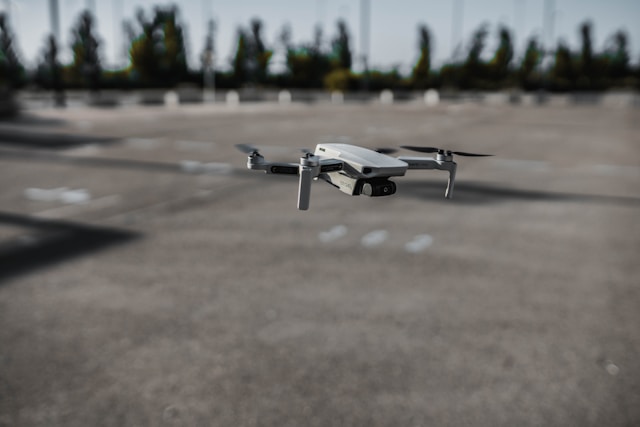
Consumer and prosumer drones like the DJI Mini 4 Pro and DJI Air 3 provide adequate capability for basic visual inspections. High-resolution cameras capture detailed imagery suitable for identifying obvious damage, missing shingles, and debris accumulation.
At price points under $2,000, these platforms allow testing the market and building skills before larger investments. Limitations include weather sensitivity, shorter flight times, and absence of thermal capability.
Professional inspection drones
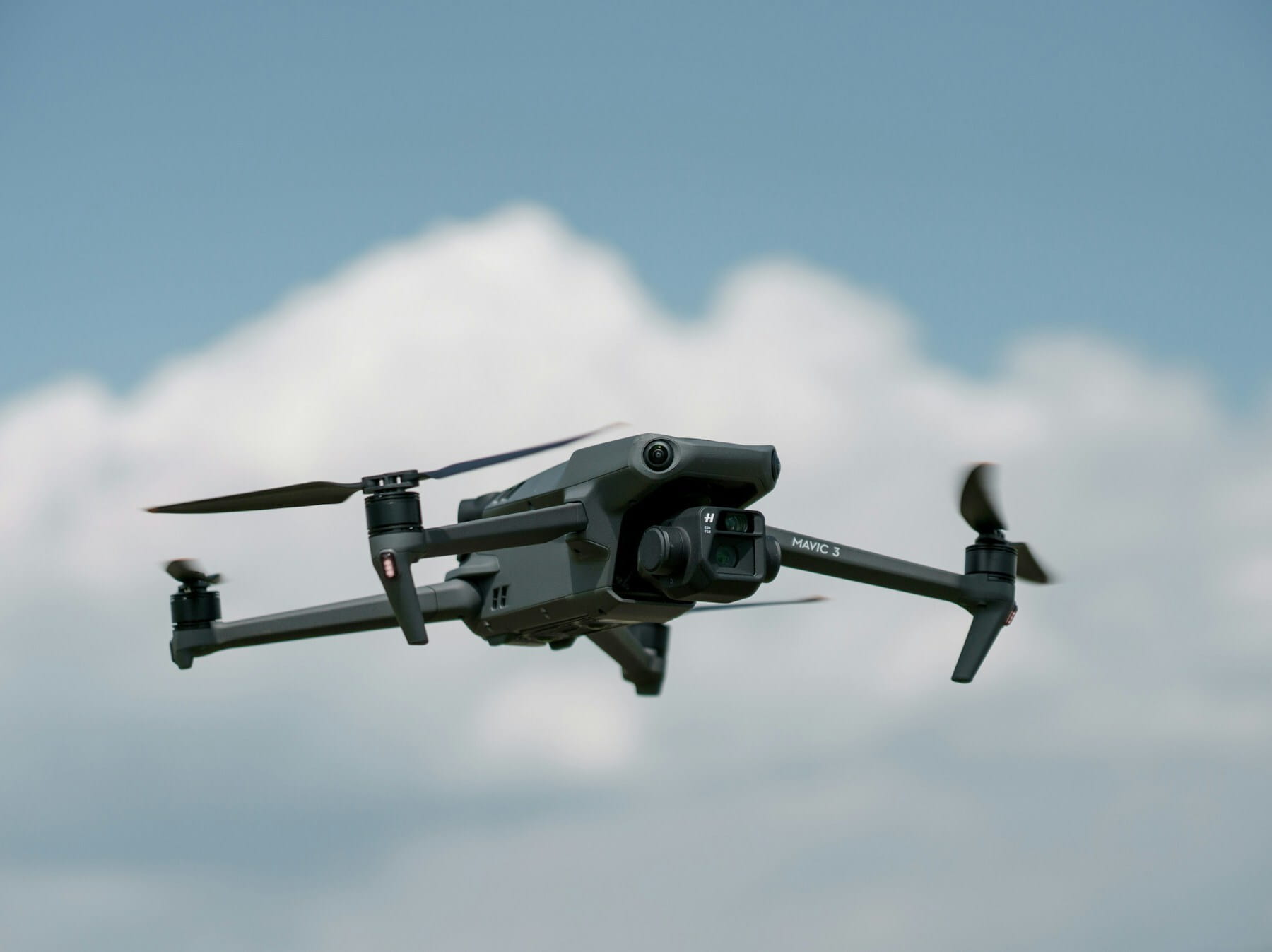
The DJI Mavic 3 Thermal and similar platforms combine high-resolution visual cameras with thermal imaging sensors. This dual capability enables comprehensive assessments detecting both visible damage and hidden moisture issues.
Thermal imaging represents a significant competitive advantage. The International Institute of Building Enclosure Consultants estimates that undetected moisture causes over half of early roof failures. Drones with thermal sensors identify these problems before they become visible, providing substantial value to property owners and insurers.
Expect to invest $4,000-8,000 for capable thermal-equipped platforms. This investment enables premium service offerings that command higher prices and differentiate your business from basic visual inspection providers.
Enterprise-grade systems
The DJI Matrice 4T and similar enterprise platforms deliver maximum capability for high-volume operations or specialized applications. Features include:
- Higher resolution thermal sensors (1280x1024 pixels)
- Longer flight times (40+ minutes)
- Enhanced wind resistance and reliability
- Laser rangefinding for accurate measurements
- Professional-grade build quality
Investment levels of $10,000-20,000 suit established operations serving demanding commercial clients or processing high inspection volumes. These platforms support specialized workflows that professional software can automate and optimize.
Supporting equipment
Complete operations require more than the aircraft itself:
- Spare batteries for multi-property inspection days
- ND filters for bright conditions
- Tablet or controller with quality display
- Portable landing pads
- Transportation cases
- Maintenance supplies for field repairs
Budget approximately 20-30% above aircraft cost for complete operational setup. Proper equipment management becomes increasingly important as inventory grows.
Certification and legal requirements
Operating drone roof inspection services commercially requires proper certification and compliance with applicable regulations.
FAA Part 107
Every commercial drone operation in the United States requires FAA Part 107 certification. This includes drone roof inspections regardless of whether you charge clients directly or include inspections within broader service packages.
Part 107 requirements include:
- Passing the FAA knowledge test
- Being at least 16 years old
- Being able to read, speak, and understand English
- Being in physical and mental condition to safely operate
- Registering each drone with the FAA
Certification typically requires 15-30 hours of preparation depending on aviation background. Study resources and practice tests help ensure first-attempt success.
Local regulations
Check state and local regulations beyond federal requirements. Some jurisdictions impose additional restrictions on commercial drone operations. Municipalities may restrict flying over certain areas or during specific times.
Building relationships with local authorities before issues arise simplifies operations. Many jurisdictions welcome professional operators who demonstrate compliance awareness and safe operating practices.
Insurance requirements
Commercial drone insurance protects your business from liability claims arising from operations. Most clients, particularly insurance companies and commercial property managers, require proof of coverage before authorizing inspections.
Typical requirements include:
- Liability coverage ($1-2 million minimum for commercial clients)
- Hull coverage protecting equipment investment
- Certificate of insurance naming clients as additional insured
Annual premiums range from $1,000-3,000 depending on coverage limits and operational scope. Factor insurance costs into pricing to maintain profitability. Understanding insurance and liability requirements helps structure appropriate coverage.
Pricing strategies and business models
Establishing appropriate pricing ensures profitability while remaining competitive with market expectations.
Residential inspection pricing
Residential drone roof inspections typically price between $100-300 per property depending on size, location, and service level. Factors influencing pricing include:
| Factor | Impact on Price |
|---|---|
| Roof size | Larger roofs require more flight time |
| Complexity | Multi-level roofs, dormers, obstacles |
| Location | Travel time, market rates |
| Deliverables | Basic images vs. detailed reports |
| Thermal imaging | Premium for thermal capability |
Entry pricing around $150 for standard residential visual inspections provides a competitive starting point. Add $50-100 for thermal imaging packages that detect moisture issues invisible to standard cameras.
Commercial inspection pricing
Commercial properties command higher rates reflecting larger scope and more complex requirements. Pricing by square foot typically ranges from $0.15-0.45 depending on service level and volume.
| Service Level | Price per Sq Ft | Typical Scope |
|---|---|---|
| Basic visual | $0.15-0.25 | Standard imagery, brief report |
| Comprehensive | $0.25-0.35 | Thermal, detailed documentation |
| Premium | $0.35-0.45 | Full assessment, 3D modeling, AI analysis |
Volume contracts with property management companies or insurance carriers often achieve economies of scale that justify lower per-inspection rates. A 50+ property contract might achieve $0.18 per square foot through operational efficiencies.
Insurance adjuster partnerships
Insurance carriers and independent adjusters represent significant revenue opportunities. These clients need consistent, reliable inspection capacity across geographic areas.
Typical adjuster pricing ranges from $150-250 per residential inspection including standard deliverables. Turnaround time expectations vary but often require same-day or next-day service. Meeting these timelines requires operational discipline and flight planning efficiency.
Consider joining platforms like FlyGuys or DroneBase that connect drone operators with inspection assignments. These networks handle client acquisition and payment processing while you focus on flight operations.
Working with insurance companies
Insurance industry partnerships offer reliable revenue streams for drone roof inspection businesses.
Understanding adjuster needs
Insurance adjusters use drone imagery to assess damage, estimate repair costs, and validate claims. Their requirements center on:
- Complete roof coverage with no gaps
- Sufficient resolution to identify individual shingles
- Clear imagery of all damage areas
- Organized deliverables matching their workflow
- Fast turnaround times
Meeting these needs consistently builds reputation and generates repeat business. Adjusters who receive quality work reliably become advocates within their organizations.
Fraud prevention value
Time-stamped, geolocated drone imagery provides tamper-proof documentation supporting fraud investigations. Carriers can compare pre- and post-event imagery to validate whether damage is new or pre-existing.
This capability has significant value in regions prone to fraudulent claims. Highlighting fraud prevention benefits helps justify premium pricing to insurance clients focused on loss reduction.
Carrier programs
Major insurance carriers including Allstate, State Farm, and USAA have developed drone inspection programs. Some maintain internal fleets while others contract with service providers for inspection capacity.
Research carrier programs in your market and understand their requirements. Becoming an approved vendor typically requires demonstrating certification, insurance coverage, and operational capability through sample work or pilot programs. Similar partnerships exist in public safety documentation services.
The global drone insurance market exceeded $1.1 billion in 2023 and projects to double by 2032. Positioning your business to serve this growing sector creates significant long-term opportunity.
Inspection procedures and deliverables
Standardized procedures ensure consistent quality and efficient operations.
Pre-flight preparation
Every inspection begins with proper preparation following a pre-flight checklist:
- Verify client authorization and property access
- Check airspace restrictions and obtain necessary approvals
- Review weather conditions for acceptable flight windows
- Confirm equipment readiness including batteries and storage
- Plan flight paths covering complete roof area
- Identify hazards including power lines, trees, and antennas
Thorough preparation prevents rework and demonstrates professionalism to clients. Documenting compliance with procedures supports quality assurance programs.
Flight operations
Systematic flight patterns ensure complete coverage without missed areas:
Perimeter survey: Initial orbit around the property establishing context and identifying obvious issues.
Grid pattern: Systematic passes at consistent altitude capturing overlapping imagery for complete coverage.
Detail passes: Lower altitude flights focused on areas showing damage or requiring closer examination.
Thermal sweeps: Separate passes with thermal camera if equipped, covering roof systematically to identify moisture or insulation issues.
Maintain consistent altitude and camera angle for imagery that processes well in data processing software. Inconsistent capture creates gaps or distortion in final deliverables.
Deliverable formats
Standard deliverables for drone roof inspections include:
Image packages: Organized folders containing all captured imagery, typically 100-500 images per inspection depending on property size and detail level.
Annotated reports: Key findings highlighted with arrows, circles, or notes identifying specific damage or concerns.
Thermal analysis: When applicable, thermal imagery with temperature scales indicating moisture intrusion or insulation deficiencies.
Measurement data: Roof dimensions and areas calculated from imagery for estimate preparation.
Video walkthroughs: Optional video compilation showing systematic coverage and key findings.
Inspection software platforms automate report generation and provide professional templates that impress clients and streamline delivery.
Building client relationships
Sustainable drone roof inspection businesses require consistent client pipelines across multiple market segments.
Roofing contractor partnerships
Roofing contractors need inspection capability for estimates, documentation, and warranty verification. Partnership models include:
- Per-inspection fees for on-demand service
- Retainer arrangements for consistent access
- Revenue sharing on inspection-enabled sales
- Exclusive partnerships with territory protection
Contractors value reliability above all else. Being available when needed and delivering quality work on time builds partnerships that generate recurring revenue.
Property management companies
Property managers overseeing portfolios of buildings need regular inspection services for maintenance planning and condition documentation. These clients offer:
- Predictable inspection schedules
- Multi-property efficiencies
- Long-term relationship potential
- Referrals to other management companies
Approach property managers with proposals addressing their specific portfolio needs. Customized pricing for volume commitments demonstrates flexibility and business acumen.
Insurance agency relationships
Beyond direct carrier relationships, independent insurance agencies represent another channel. Agencies need inspection capability for policy underwriting and renewal assessments.
Building relationships with agency principals creates referral networks as they recommend your services to clients needing pre-insurance inspections or claim documentation. These opportunities complement utilities and energy inspection services for operators seeking diversified revenue.
Real estate transactions
Home inspections increasingly include aerial roof assessment. Real estate agents and home inspectors provide referral opportunities, particularly for properties where roof access is difficult or dangerous.
Position your services as value-adds that protect buyers and provide documentation supporting negotiations. Access to professional features for reporting enhances credibility with real estate clients.
Frequently asked questions
How much can I charge for drone roof inspections?
Residential drone roof inspections typically range from $100-300 per property, with thermal imaging packages commanding premium prices of $50-100 above visual-only inspections. Commercial properties price at $0.15-0.45 per square foot depending on service level. Insurance adjuster work averages $150-250 per residential inspection. Market rates vary by region, competition, and client expectations. Starting competitive and building reputation often leads to higher rates over time.
What drone should I buy for roof inspections?
For starting out, the DJI Air 3 or similar prosumer platform provides adequate capability for visual inspections at reasonable cost. For professional operations, the DJI Mavic 3 Thermal combines excellent visual and thermal capability around $5,000. Enterprise operations benefit from platforms like the DJI Matrice 4T offering maximum capability at $10,000+. Match your investment to your business stage and target market.
Do I need thermal imaging for roof inspections?
Thermal imaging is not required for basic damage documentation but provides significant competitive advantage. Thermal cameras detect moisture intrusion invisible to visual inspection, which causes over half of early roof failures. Insurance adjusters and property managers increasingly request thermal capability. If budget permits, investing in thermal equipment opens premium service opportunities and differentiates your business from competitors offering only visual inspection.
How do I find drone roof inspection clients?
Start with building a drone business foundation including website, insurance, and operational procedures. Then target multiple channels: roofing contractors needing estimate support, property managers with building portfolios, insurance adjusters through carrier programs or platforms like FlyGuys, and real estate agents serving active markets. Network at industry events, join relevant associations, and deliver excellent service that generates referrals.
Implementation considerations
Launching drone roof inspection services requires balancing investment against immediate market opportunity.
Start with basic equipment if budget is limited, focusing on visual inspections that require lower investment. Build skills, reputation, and revenue before upgrading to thermal capability. This staged approach manages cash flow while developing market presence.
Develop standardized procedures early. Consistent operations improve efficiency, reduce errors, and enable scaling as demand grows. Document workflows for mission planning, capture patterns, and deliverable creation.
Invest in professional deliverables that impress clients. Template-based reports, organized image packages, and timely delivery differentiate professional operators from casual competitors. Quality presentation justifies premium pricing.
Track metrics including inspections completed, revenue per inspection, client retention, and operational efficiency. Understanding business performance enables data-driven decisions about pricing, marketing, and investment.
Consider adjacent services that leverage existing capability. Construction documentation and progress monitoring serve different clients than insurance adjusters but use similar skills and equipment. Expanding service offerings increases revenue potential from existing infrastructure.
In summary
Drone roof inspection represents a substantial business opportunity for operators who combine technical capability with professional service delivery. The market continues growing as insurance carriers, roofing contractors, and property managers recognize efficiency and safety advantages over traditional inspection methods.
Success requires appropriate equipment investment, proper certification, and systematic operational procedures. Starting with visual inspection capability and expanding to thermal imaging as the business develops balances initial investment against growth potential.
Building diverse client relationships across insurance, roofing, property management, and real estate sectors creates sustainable revenue streams less vulnerable to any single market segment. Professional deliverables and reliable service generate referrals that compound over time.
The foundation for success combines technical drone operation skills with business development capability. Operators who master both dimensions build profitable enterprises serving genuine market needs.
Ready to launch your drone roof inspection services?
Professional drone roof inspection operations require equipment management, compliance documentation, and operational tracking that scales with your business growth. Whether starting your first inspection or managing hundreds monthly, organized operations ensure quality and profitability.
Start your free trial today - no credit card required.
Or book a demo to see how DroneBundle helps manage inspection operations with integrated project management and flight logging.