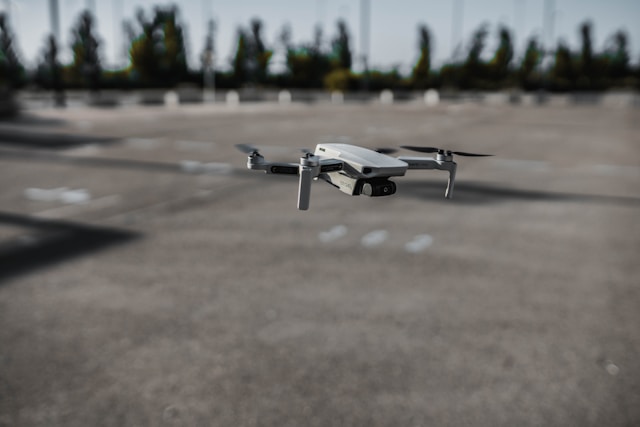
What is a Drone Inspection Business?
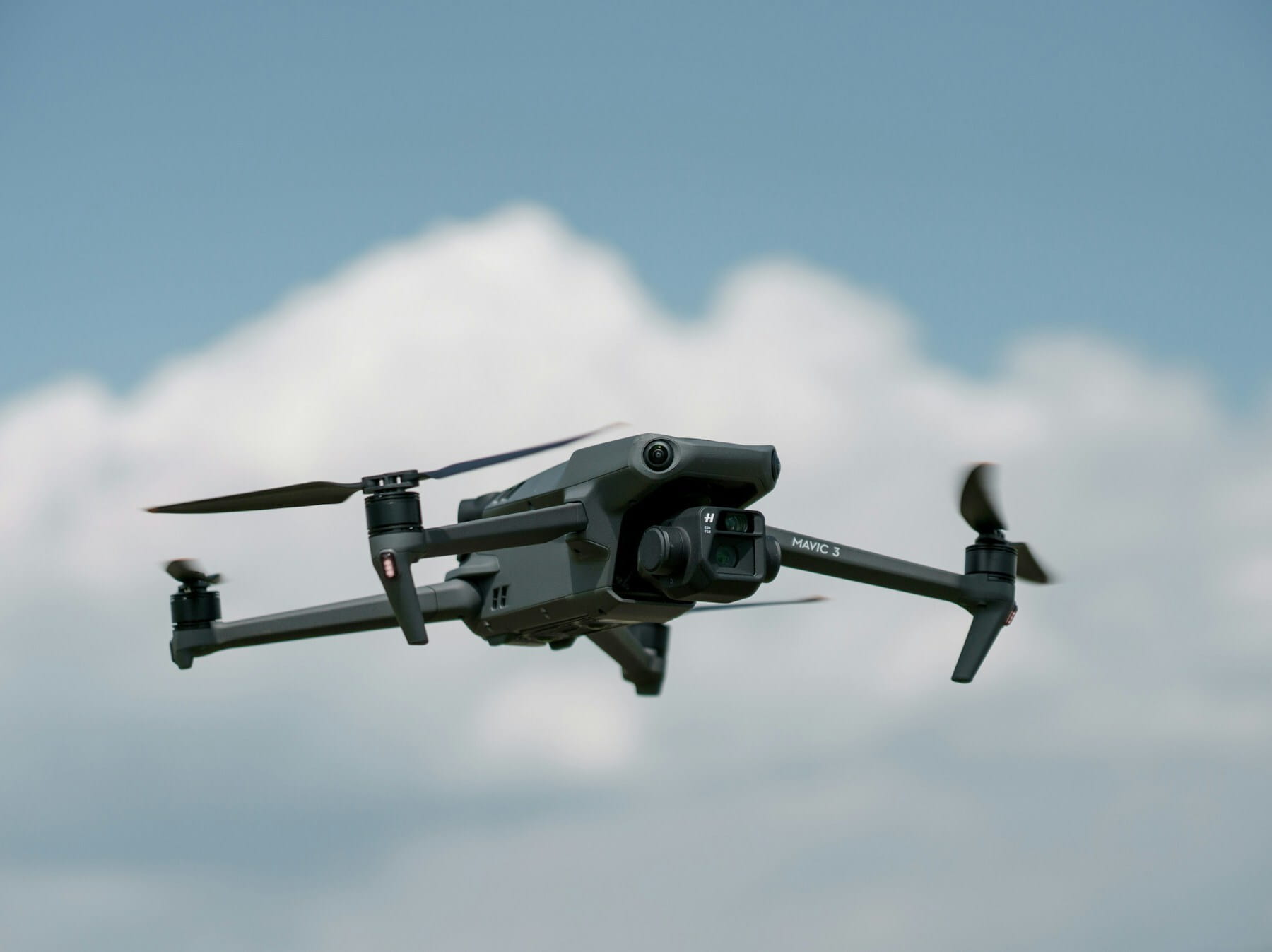
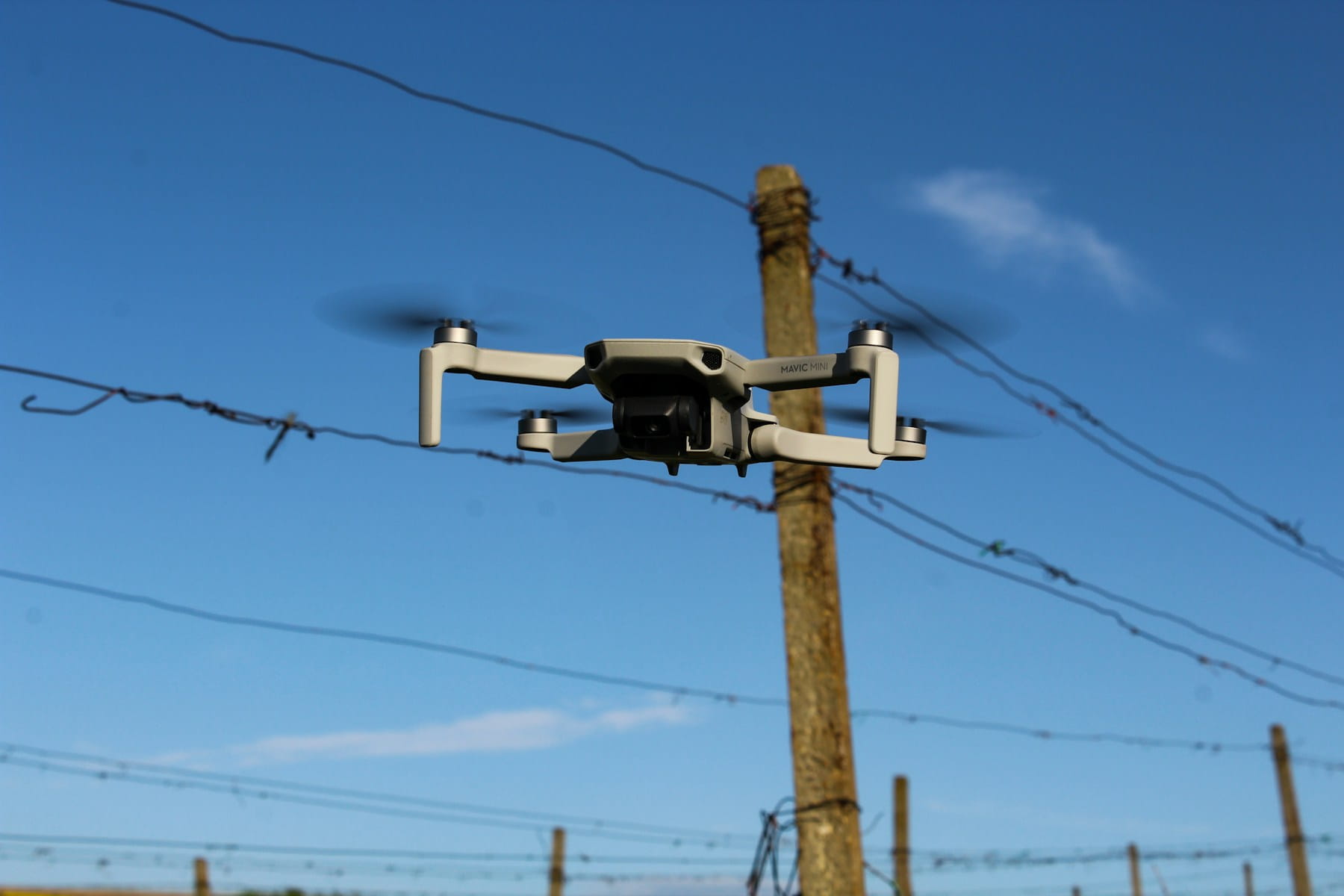
A drone inspection business is a commercial service enterprise that provides professional aerial inspection solutions for infrastructure, facilities, buildings, and industrial assets using unmanned aerial systems equipped with specialized cameras and sensors. These businesses deliver detailed visual documentation, thermal analysis, and structural assessments across industries including utilities, construction, energy, and real estate, requiring technical expertise, specialized equipment, and professional operations management to deliver consistent, compliant inspection services.
The drone inspection market represents one of the fastest-growing opportunities in commercial aviation, projected to reach $31.31 billion by 2030 according to Mordor Intelligence. Businesses across infrastructure, energy, utilities, and construction sectors increasingly rely on aerial inspection services to reduce costs, improve safety, and access detailed asset condition data that traditional methods cannot deliver efficiently.
Starting a drone inspection business offers entrepreneurs the opportunity to serve high-value clients with premium services commanding rates of $500 to $10,000+ per project. Success requires more than flying skills - operators must master specialized inspection techniques, invest in appropriate equipment, understand industry-specific requirements, and establish professional operations that deliver consistent, reliable results.
This comprehensive guide walks through every essential step of building and operating a profitable drone inspection business, from identifying your target market through scaling multi-inspector operations serving enterprise clients.
Understanding the inspection market opportunity
The commercial drone inspection sector delivers substantial revenue opportunities for operators who position services strategically. Market dynamics favor specialized providers who demonstrate technical competence, industry knowledge, and professional operations management.
Infrastructure inspection represents the largest market segment, driven by aging facilities requiring regular assessment and regulatory compliance requirements. Utilities and energy companies allocate significant budgets for transmission line inspections, substation monitoring, and renewable energy asset assessments. These clients value the safety improvements and cost reductions that drone inspections provide over traditional methods.
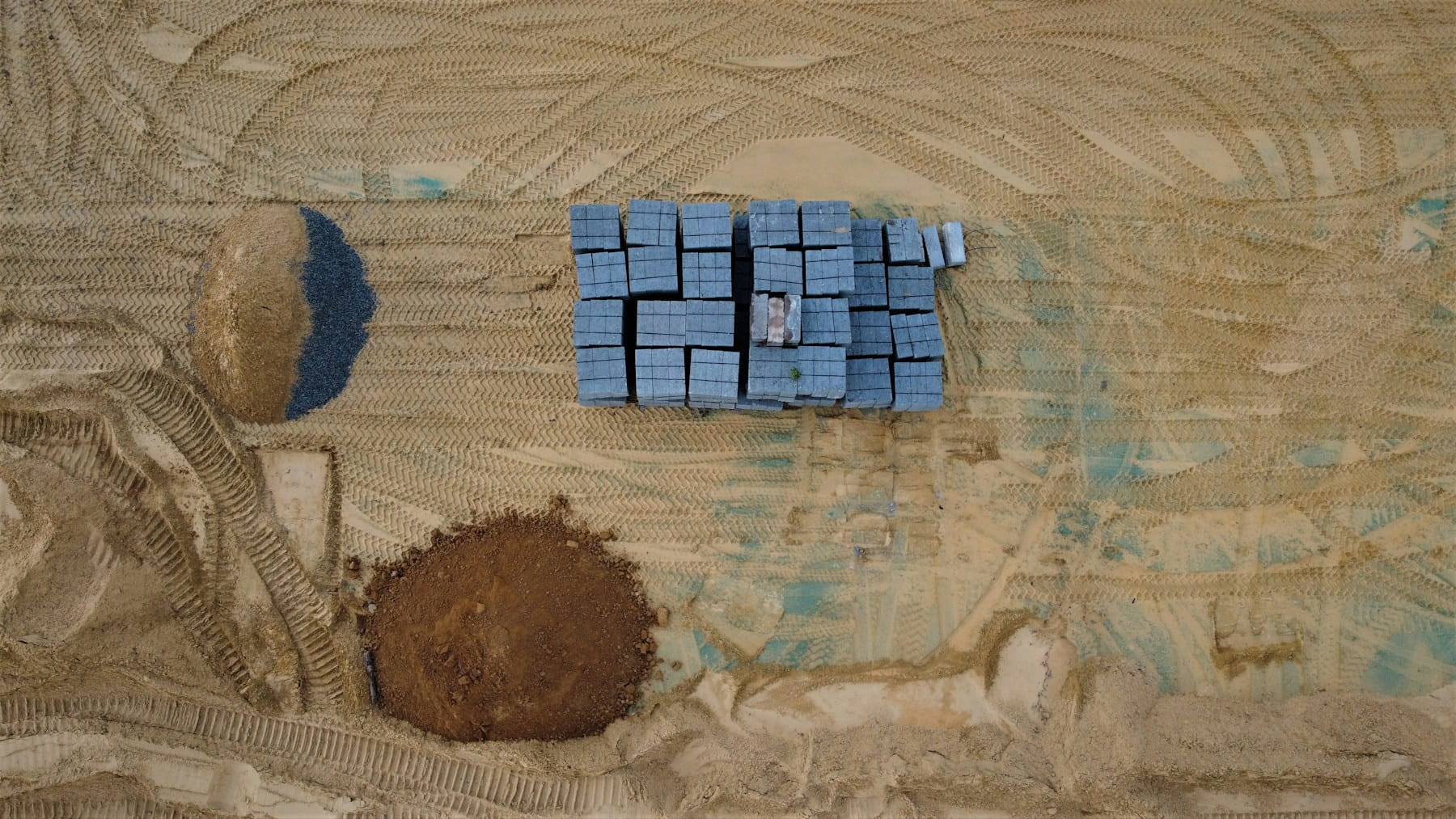
Construction and real estate inspection services provide steady work volume with predictable revenue streams. Building and construction projects require progress documentation, roof assessments, and structural evaluations throughout project lifecycles. Repeat business from general contractors and property management companies creates sustainable client relationships.
Industrial facility inspection serves manufacturing, chemical processing, and production operations requiring regular asset monitoring and safety compliance. These specialized services command premium rates due to technical complexity, safety requirements, and the critical nature of inspection findings for facility operations.
Geographic market dynamics significantly impact business potential. Urban markets offer higher client density and premium pricing but face complex airspace restrictions and greater competition. Industrial regions with concentrated infrastructure, manufacturing facilities, and energy assets provide strong opportunities for specialized inspection providers.
Types of drone inspection services
Service specialization enables businesses to develop deep expertise, invest in appropriate equipment, and command premium pricing. Different inspection types require varying technical capabilities, equipment configurations, and industry knowledge.
Infrastructure and utility inspections examine bridges, towers, power lines, pipelines, and transmission systems. These operations demand specialized sensors, precise positioning capabilities, and detailed documentation protocols. Power line inspection services require understanding electrical safety requirements and maintaining appropriate clearances from energized equipment.
Building and roofing inspections serve commercial real estate, insurance companies, and property management firms. Visual documentation of roof conditions, facade assessments, and structural evaluations provide clients with detailed asset condition information. These services typically use high-resolution cameras and may incorporate thermal imaging for moisture detection and energy efficiency assessments.
Industrial asset inspection focuses on manufacturing equipment, storage tanks, flare stacks, and processing facilities. These specialized operations often require thermal imaging sensors, gas detection equipment, and detailed understanding of industrial processes and safety requirements. Premium pricing reflects the technical expertise and equipment investments required.
Cell tower and telecommunications infrastructure inspection serves wireless carriers, tower companies, and infrastructure managers requiring regular antenna assessments, structural evaluations, and equipment documentation. Tower inspection services eliminate dangerous climbing requirements while providing detailed visual documentation of tower conditions.
Renewable energy inspection specializes in solar farm monitoring, wind turbine assessments, and energy infrastructure evaluation. Wind turbine inspections identify blade damage, mechanical issues, and maintenance requirements while avoiding costly downtime and dangerous access methods.
Equipment requirements and investments
Equipment selection significantly impacts service capabilities, operational efficiency, and project profitability. Strategic investments balance current service offerings with growth capabilities while managing capital requirements.
Entry-level inspection operations typically invest $8,000-$15,000 in core equipment. Enterprise-grade platforms with interchangeable payload capabilities, precision GPS, and extended flight times enable professional service delivery. High-resolution zoom cameras provide detailed documentation for most inspection applications.
Thermal imaging capabilities expand service offerings and command premium pricing. Professional thermal cameras for drone platforms range from $5,000-$20,000 depending on resolution, temperature range, and analysis capabilities. This investment enables roof inspections, electrical system assessments, solar panel monitoring, and industrial facility evaluation services.
Specialized sensors including LiDAR systems, multispectral cameras, and gas detection equipment serve specific market segments. These advanced payloads typically represent $10,000-$50,000 investments but enable high-value service offerings with strong competitive differentiation.
Support equipment and infrastructure include precision batteries, charging systems, transportation cases, backup components, and field operations gear. Comprehensive equipment management becomes critical as equipment inventories grow and project schedules intensify.
Data processing infrastructure encompasses powerful computers, specialized analysis software, cloud storage solutions, and reporting tools. Software subscriptions for photogrammetry processing, thermal analysis, and inspection reporting typically cost $2,000-$8,000 annually depending on service offerings and project volume.
Certifications and technical training
Professional credentials and specialized training establish credibility, ensure regulatory compliance, and develop technical competence required for complex inspection operations.
FAA Part 107 certification provides the legal foundation for all commercial drone operations, including inspection services. Additional operational authorizations for night flights, operations over people, and extended visual line of sight missions expand service capabilities for specific inspection applications.
Thermal imaging certification programs teach proper camera operation, temperature measurement techniques, image interpretation, and reporting standards. Organizations including the Infrared Training Center and professional inspection associations offer specialized training that demonstrates technical competence to clients.
Industry-specific certifications enhance credibility and technical understanding. Building inspection certifications, industrial safety training, and infrastructure assessment programs provide essential knowledge for serving specific market segments professionally.
Technical skills development extends beyond drone operation to include inspection methodology, defect identification, safety protocols, and analysis techniques. Specialized drone training programs covering inspection best practices, equipment operation, and industry standards support service quality and professional development.
Ongoing education maintains currency with evolving technology, regulatory requirements, and industry best practices. Manufacturer training for new equipment, industry conferences, and professional association memberships provide continued learning opportunities and networking connections.
Pricing strategies and profitability
Strategic pricing captures value while maintaining competitive positioning and ensuring profitable operations. Understanding cost structures, market rates, and value delivery enables sustainable pricing that supports business growth.
Project-based pricing provides better value capture than hourly rates for most inspection services. Basic visual inspections typically range from $500-$2,000 per asset depending on complexity, access requirements, and deliverable specifications. Roof inspections for commercial buildings command $800-$3,000 per project based on building size and detail requirements.
Thermal inspection services command premium rates of $1,500-$5,000 per project due to specialized equipment requirements and technical expertise. Industrial facility inspections may reach $5,000-$15,000 per engagement depending on facility complexity, safety requirements, and analysis depth.
Large infrastructure inspections including transmission line surveys, bridge assessments, and industrial complex evaluations often generate $10,000-$50,000+ in revenue per project. These comprehensive engagements require multiple site visits, extensive data processing, and detailed reporting that justifies premium pricing.
Cost structure analysis ensures profitable operations across all service offerings. Direct costs include pilot time, equipment depreciation, battery replacements, insurance, transportation, and software subscriptions. Indirect expenses encompass marketing, continuing education, equipment maintenance, and administrative overhead.
Profit margins for well-managed inspection businesses typically range from 40-65% gross margin before owner compensation. Premium service offerings with specialized equipment and technical expertise generally deliver higher margins than commodity inspection services.
Package pricing and retainer agreements create predictable revenue streams for recurring inspection requirements. Facility managers, property portfolios, and infrastructure operators benefit from scheduled inspection programs that provide consistent monitoring at contracted rates.
Finding inspection clients
Client acquisition strategies determine business growth and revenue stability. Effective approaches combine direct business development, strategic partnerships, and marketing initiatives that reach decision-makers in target industries.
Direct outreach to facility managers, engineering firms, and property management companies creates immediate opportunities. Research target organizations, understand their inspection requirements, and develop proposals demonstrating how aerial inspection services deliver value through improved safety, reduced costs, and enhanced data quality.
Professional networking within target industries builds awareness and establishes credibility. Joining construction associations, facility management organizations, and infrastructure industry groups creates opportunities to demonstrate expertise and develop relationships with potential clients.
Strategic partnerships with complementary service providers generate consistent referrals. Engineering firms, property insurance companies, and facility service contractors frequently encounter inspection requirements but may not provide drone services in-house. Partnership agreements create mutual value while generating qualified leads.
Digital marketing establishes professional presence and generates inbound inquiries. Professional websites showcasing inspection portfolio work, service capabilities, and client testimonials provide essential credibility. Search optimization for local markets and industry-specific keywords helps potential clients discover inspection services.
Managing client relationships and opportunities systematically prevents lost leads and enables consistent follow-up. Comprehensive CRM capabilities track prospects, proposals, and project pipelines while maintaining communication history and follow-up schedules.
Managing inspection projects
Professional project management separates successful inspection businesses from inconsistent operators. Systematic approaches to scheduling, execution, quality assurance, and client communication ensure reliable service delivery.
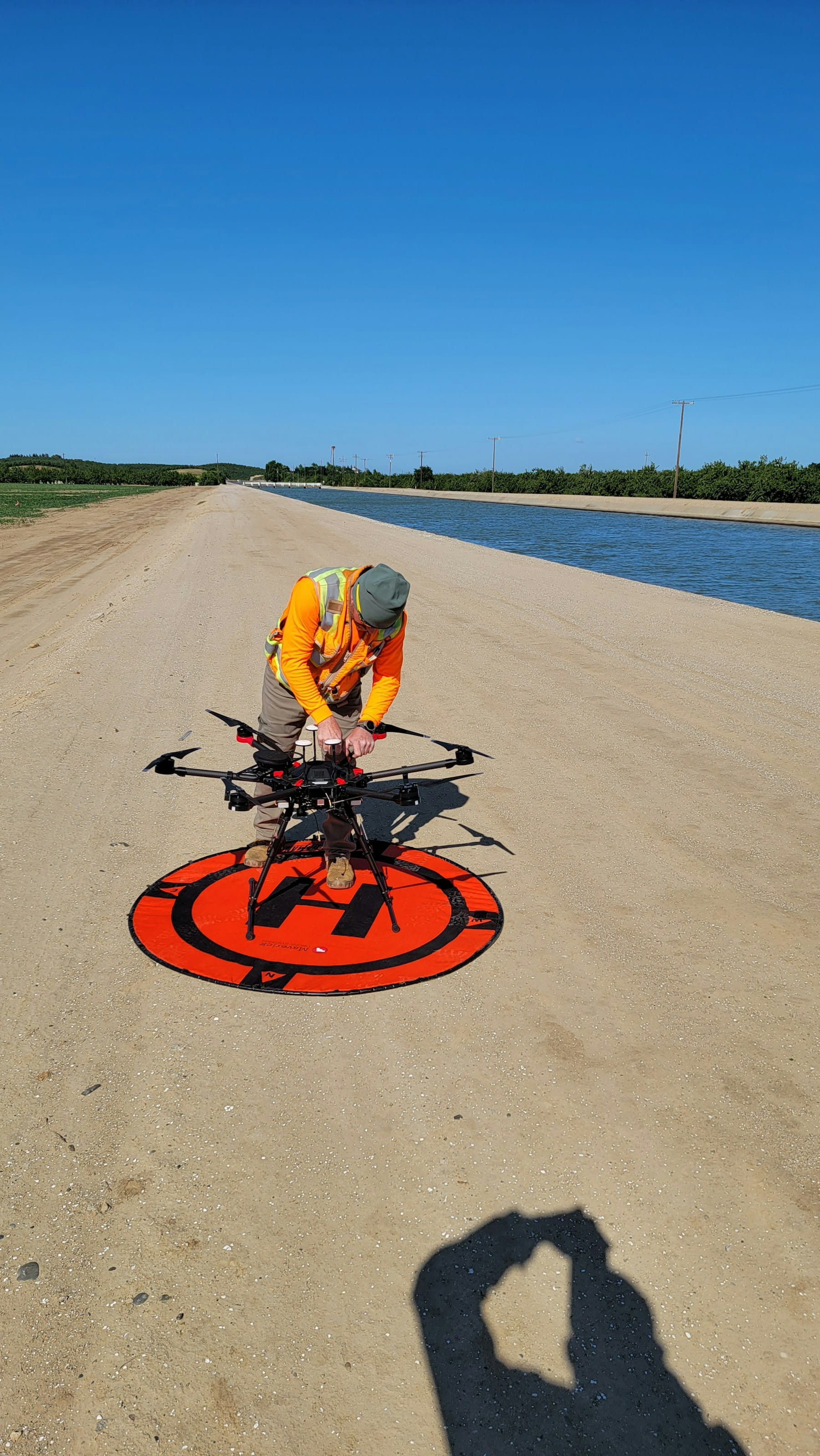
Project planning begins with detailed requirement gathering and site assessment. Understanding inspection objectives, access constraints, safety considerations, and deliverable specifications ensures successful execution. Pre-flight planning protocols verify airspace compliance, weather suitability, and equipment readiness before mobilizing to inspection sites.
Inspection execution follows standardized procedures that ensure data quality, safety compliance, and efficient operations. Systematic flight patterns, multiple viewing angles, and redundant coverage prevent missed areas or insufficient documentation that compromise inspection value.
Data organization and processing workflows manage large image sets, thermal data, and inspection findings efficiently. Comprehensive operations management systems coordinate multiple concurrent projects while tracking status, deliverables, and client communications across all active engagements.
Quality assurance processes verify data completeness, image quality, and analysis accuracy before client submission. Review protocols identify issues early when corrections are simpler and less costly. Consistent quality builds client confidence and supports premium pricing.
Project documentation maintains professional standards and supports business operations. Flight logs, site assessments, safety documentation, and inspection findings create comprehensive project records that protect against liability while demonstrating professional operations management.
Client deliverables and reporting
Inspection deliverables transform raw data into actionable intelligence that drives client decisions. Professional reporting, clear documentation, and effective communication differentiate premium service providers from commodity operators.
Visual documentation packages organize inspection imagery with clear labeling, annotations highlighting findings, and systematic organization enabling efficient review. High-resolution photographs showing overall conditions and detailed close-ups of specific findings provide comprehensive visual records.
Thermal inspection reports include radiometric imagery, temperature measurements, comparative analysis, and interpretation of findings. Professional thermal analysis identifies hot spots, moisture intrusion, equipment anomalies, and energy efficiency issues with supporting data that enables informed decision-making.
Comprehensive inspection reports combine visual documentation, findings summary, condition assessments, and recommendations in professional formats. Executive summaries provide high-level overviews while detailed appendices document specific observations and measurements for technical audiences.
Secure document management and client sharing capabilities enable professional deliverable presentation. Client portals provide organized access to inspection data, historical records, and project documentation while maintaining professional presentation that enhances service value perception.
Delivery timelines significantly impact client satisfaction and operational efficiency. Most clients expect deliverables within 24-72 hours of inspection completion. Efficient processing workflows and systematic quality assurance enable rapid turnaround that supports client requirements.
Safety protocols and risk management
Safety management protects personnel, assets, and business viability while demonstrating professional operations to clients and insurance providers. Comprehensive safety protocols establish operational standards that prevent incidents and maintain regulatory compliance.
Operational safety planning addresses site-specific hazards, equipment requirements, emergency procedures, and personnel protection. Industrial facility inspections require understanding electrical safety, confined spaces, and chemical hazards. Infrastructure work involves traffic management, public safety, and environmental considerations.
Equipment safety procedures ensure proper maintenance, pre-flight inspections, and operational protocols that prevent equipment failures. Systematic maintenance scheduling maintains aircraft reliability while comprehensive pre-flight checklists verify system readiness before every operation.
Personnel safety training covers operational hazards, emergency response, personal protective equipment, and site-specific requirements. Team members must understand electrical safety around utility infrastructure, fall protection near buildings, and chemical hazards at industrial facilities.
Insurance coverage provides essential risk management for inspection operations. Comprehensive general liability coverage of $2-5 million protects against property damage and injury claims. Professional liability insurance covers errors and omissions in inspection findings and recommendations.
Incident reporting and documentation procedures establish protocols for equipment failures, safety concerns, or operational issues. Systematic documentation supports insurance claims, regulatory compliance, and continuous improvement of safety management systems.
Scaling your inspection business
Business growth requires transitioning from solo operations to team-based structures while maintaining service quality and operational efficiency. Strategic scaling expands capacity, enables geographic expansion, and supports service diversification.
The transition to multi-inspector operations begins when demand consistently exceeds single-operator capacity or when geographic expansion requires distributed resources. Adding qualified inspectors enables simultaneous project execution, specialized service offerings, and enhanced client service capabilities.
Inspector recruitment prioritizes technical competence, professional presentation, and reliability alongside Part 107 certification. Operational experience with inspection applications, attention to detail, and client communication skills determine long-term success beyond basic flying capabilities.
Training programs establish consistent operational standards, inspection methodologies, and quality expectations across all team members. Standardized procedures for data capture, safety protocols, and client interaction ensure consistent quality regardless of which inspector executes specific projects.
Equipment allocation strategies balance resource optimization with accountability and utilization. Fleet management systems track equipment assignments, maintenance schedules, and usage patterns while ensuring appropriate resources match project requirements and inspector qualifications.
Project coordination across multiple inspectors requires systematic assignment protocols and communication workflows. Professional operations management platforms enable efficient job scheduling, real-time status updates, and clear accountability across distributed inspection operations.
Quality management processes maintain service standards as operations scale. Review procedures, client feedback systems, and performance metrics identify training needs and operational improvements while ensuring consistent deliverable quality across all inspectors and projects.
Frequently Asked Questions
How much can you make with a drone inspection business?
Revenue potential varies significantly based on service specialization, geographic market, and operational efficiency. Solo inspectors typically generate $75,000-$150,000 in annual revenue with well-managed operations. Specialized services focusing on thermal imaging, industrial inspections, or infrastructure work may reach $150,000-$250,000 annually. Multi-inspector operations serving enterprise clients can exceed $500,000 in annual revenue with appropriate market positioning and operational management.
What equipment do I need to start a drone inspection business?
Minimum equipment requirements include an enterprise-grade drone platform ($3,000-$8,000), high-resolution camera system, spare batteries, charging infrastructure, and protective cases. Professional operations benefit from thermal imaging cameras ($5,000-$20,000), data processing computers, specialized analysis software, and backup equipment. Total initial investment typically ranges from $10,000-$25,000 for basic inspection services, with specialized capabilities requiring $25,000-$50,000+ in equipment.
Do I need special certifications beyond Part 107 for inspection work?
FAA Part 107 certification provides the legal foundation for commercial inspection operations. Additional certifications enhance credibility and technical competence, including thermal imaging certification, building inspection credentials, and industry-specific training. Some clients, particularly in industrial or infrastructure sectors, may require safety training, facility-specific certifications, or security clearances for site access.
How do I find my first inspection clients?
Initial client acquisition combines direct outreach to facility managers and engineering firms with strategic networking in target industries. Join construction associations, facility management organizations, and infrastructure industry groups to build relationships. Develop partnerships with engineering firms, insurance companies, and facility service contractors who encounter inspection requirements but lack in-house drone capabilities. Professional online presence and portfolio development attract inbound inquiries from potential clients researching inspection services.
Implementation considerations
Successful inspection business launch requires systematic execution across technical, operational, and business development dimensions. Operators who approach each element strategically position themselves for sustainable growth and market differentiation.
Technology infrastructure decisions significantly impact operational efficiency and service quality. Comprehensive project management platforms streamline inspection scheduling, data organization, client communication, and deliverable tracking. These systems become increasingly valuable as project volume grows and client relationships expand beyond individual capacity to manage manually.
Service positioning determines competitive dynamics and growth trajectory. Specialized focus on specific industries or inspection types enables deeper expertise, appropriate equipment investments, and premium positioning. Generalist approaches serve broader markets but face greater competition and commoditization pressure.
Business development deserves consistent attention throughout growth phases. Building brand awareness, demonstrating technical expertise, and establishing industry credibility require ongoing investment. Strategic marketing, portfolio development, and professional networking create sustained client acquisition that supports business expansion.
Financial management establishes foundation for growth and sustainability. Understanding true project costs, maintaining adequate cash reserves for equipment investments, and making strategic pricing decisions determine long-term business viability. Professional accounting systems and financial planning prevent common pitfalls that derail growing inspection operations.
In summary
Building a successful drone inspection business in 2025 offers significant opportunities for entrepreneurs who approach operations professionally and strategically. The inspection market continues expanding across infrastructure, energy, construction, and industrial sectors, with established operators demonstrating sustainable profitability and strong growth potential.
Success requires more than technical flying skills. Operators must develop specialized inspection expertise, invest strategically in appropriate equipment, understand industry-specific requirements, and establish professional operations that deliver consistent, reliable results to clients.
The path from initial certification to profitable inspection operations involves strategic service positioning, appropriate equipment investments, systematic client acquisition, and professional project management. Technical competence, safety management, and quality deliverables establish credibility that enables premium pricing and client retention.
Strategic scaling transitions solo operations into team-based enterprises capable of serving larger markets, managing multiple concurrent projects, and delivering specialized services across diverse client requirements. Professional operations management, quality assurance, and systematic business development support sustainable growth.
The drone inspection industry continues maturing, with opportunities for well-positioned operators to capture market share in growing sectors. Entrepreneurs who invest in proper planning, technical development, and systematic execution position themselves to build valuable inspection businesses serving critical infrastructure and facility management requirements.
Ready to Launch Your Professional Inspection Business?
Building a successful drone inspection business requires more than technical flying skills. Professional inspection operations demand systematic project management, comprehensive data organization, efficient client communication, and quality deliverable production that establishes credibility with facility managers and engineering firms.
DroneBundle provides complete operations management designed specifically for commercial inspection businesses. Coordinate inspection projects across multiple sites and clients, organize and share inspection imagery and reports securely, track specialized equipment and maintenance schedules, manage client relationships and project pipelines, and deliver professional experiences that support premium pricing and client retention.
Start your free trial today - no credit card required.
Or book a demo to see how inspection businesses scale efficiently with systematic project coordination and professional operations management.