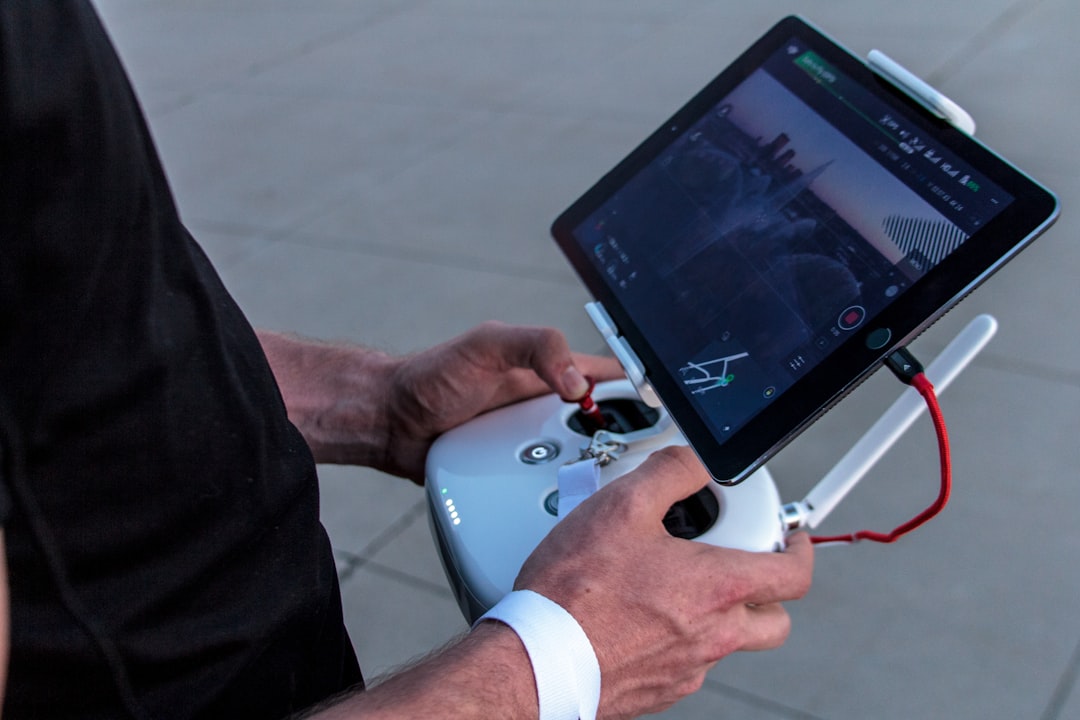
Drone fleet management software centralizes flight planning, asset tracking, pilot scheduling, compliance documentation, and maintenance logs into a single platform. For operators running more than a handful of aircraft, it replaces the tangle of spreadsheets, group chats, and memory-based systems that quietly erode margins and invite regulatory trouble.
But the market has gotten noisy. Dozens of platforms claim to handle "everything," yet most specialize in one slice of the workflow and leave gaps you discover only after onboarding your team. This page focuses on the features themselves: what each one should do, which ones separate serious platforms from basic loggers, and where buyers get caught out.
For the wider picture, including pricing models, platform comparisons and rollout planning, see our complete guide to drone fleet management software.
Table of contents
- Why fleet management software has become non-negotiable
- Core features to expect from drone fleet management software
- The features that separate good from great
- How Part 108 changes the software equation
- Comparing the major platforms
- What competitors don't tell you about switching costs
- Data security and client privacy
- How to evaluate pricing without getting burned
- FAQ
Why fleet management software has become non-negotiable
Running a drone operation on spreadsheets works until it doesn't. The breaking point usually arrives around five aircraft and three pilots, when the number of scheduling conflicts, missed maintenance windows, and compliance gaps starts compounding faster than any manual system can absorb.
The real cost is not the occasional double-booking. It is the slow bleed of billable hours lost to administrative overhead. Operators who track time closely report spending 8 to 12 hours per week on scheduling, documentation, and compliance paperwork before adopting dedicated software. That is a full workday, every week, generating zero revenue.
Regulatory pressure is accelerating too. The FAA's Part 107 framework already requires detailed flight logs and pilot certification records. With Part 108 moving toward organizational accountability for BVLOS operations per 14 CFR Part 108, the documentation burden is about to increase significantly. The FAA's BVLOS NPRM makes clear that fleet-level record-keeping will be a baseline expectation for advanced operations. Software that automates this record-keeping is no longer a convenience. It is a prerequisite for operating at scale.
If you are still weighing whether software is worth the investment, our breakdown of drone operations software vs. spreadsheets lays out the real numbers.
Core features to expect from drone fleet management software
Drone fleet management software should handle six core functions without requiring third-party workarounds. If a platform misses any of these, you will end up bolting on external tools and creating exactly the fragmented workflow you were trying to escape.
Flight planning and scheduling. The platform should let you assign aircraft, pilots, and equipment to jobs on a shared calendar. Conflicts should be flagged automatically. Bonus points for weather-aware scheduling that pulls real-time forecasts into the planning view.
Asset and equipment tracking. Every drone, battery, sensor, and accessory needs a digital record showing its current status, location, and maintenance history. Equipment management should not require a separate spreadsheet.
Pilot management. Certifications, flight hour tracking, training records, and Part 107 renewal dates must be visible at a glance. You need to know which pilots are current, which are approaching expiration, and which are qualified for specific aircraft types.
Compliance documentation. Automated flight logging, airspace authorization records, NOTAM filing, and risk assessments should generate audit-ready records without manual data entry.
Maintenance tracking. Flight-hour-based and calendar-based maintenance alerts keep aircraft airworthy. The best platforms tie maintenance schedules directly to flight data so you can track component wear in real time.
Reporting and analytics. Fleet utilization rates, cost-per-flight-hour, pilot performance trends, and flight data monitoring dashboards turn raw data into decisions.
The features that separate good from great
Beyond the basics, a few capabilities distinguish platforms built for serious commercial operations from those designed for hobbyist teams.
Client portal access. Giving clients direct visibility into project status, deliverables, and flight reports reduces your communication overhead and increases trust. A proper drone client portal eliminates the back-and-forth email chains that eat into productive hours.
CRM and deal tracking. If your software can manage leads and project pipelines alongside operations, you avoid the cost and friction of a separate CRM. For growing operations focused on scaling their drone business, this integration matters.
Live tracking. Real-time aircraft position monitoring is useful for operational awareness, but it becomes essential for multi-crew operations where a dispatcher needs to coordinate several missions simultaneously. Check whether the platform offers genuine live tracking or just post-flight replay.
DJI log processing. Most commercial fleets include DJI aircraft. Native DJI log parsing means flight telemetry flows directly into your fleet records without manual export and import steps.
Weather integration. Built-in weather data should do more than show current conditions. It should flag upcoming weather windows, alert on METAR changes, and integrate wind and visibility forecasts into your mission planning workflow.
How Part 108 changes the software equation
The FAA's Part 108 rulemaking introduces organizational accountability requirements that make fleet management software functionally mandatory for BVLOS operators. The proposed rule shifts regulatory responsibility from individual pilots to the operator organization. Under the proposed rules, the "Operator" (typically the company, not an individual pilot) bears responsibility for compliance across the entire fleet.
Three Part 108 provisions directly affect your software requirements:
-
Operations Supervisor role. Part 108 requires a designated Operations Supervisor with final authority over fleet safety. This person needs a centralized dashboard showing aircraft status, crew qualifications, and active missions. Spreadsheets cannot support this role at the speed the regulation demands.
-
Flight Coordinator oversight. Flight Coordinators under Part 108 may monitor multiple drone operations simultaneously. The software must support multi-mission views, real-time telemetry, and UTM integration.
-
Safety Management Systems. Part 108 requires formal SMS documentation including hazard identification, risk assessment, and incident reporting. Your fleet software needs to either include these modules or integrate cleanly with a dedicated SMS tool.
Operators already evaluating Part 108 requirements should prioritize platforms that are building toward these capabilities now rather than retrofitting them later.
Comparing the major platforms
No comparison article can be fully objective, so here is a transparent look at how the major platforms stack up across the features that matter most. We have included DroneBundle alongside competitors because we believe informed buyers make better customers.
| Feature | DroneBundle | DroneDeploy | Aloft | Dronedesk | Airdata UAV |
|---|---|---|---|---|---|
| Flight planning | ✅ Full | ✅ Mapping-focused | ✅ Airspace-focused | ✅ Full | ❌ Post-flight only |
| Asset tracking | ✅ | ⚠️ Limited | ⚠️ Limited | ✅ | ✅ |
| Pilot management | ✅ | ⚠️ Basic | ✅ | ✅ | ✅ |
| Compliance tracking | ✅ Part 107/108, EASA | ⚠️ Basic | ✅ FAA-focused | ✅ UK CAA-focused | ⚠️ FAA logs only |
| Client portal | ✅ | ❌ | ❌ | ⚠️ Basic | ❌ |
| CRM / deal pipeline | ✅ | ❌ | ❌ | ❌ | ❌ |
| Live tracking | ✅ | ❌ | ✅ | ❌ | ❌ |
| DJI log processing | ✅ | ⚠️ Limited | ❌ | ✅ | ✅ |
| Weather integration | ✅ Built-in | ❌ | ✅ | ⚠️ Third-party | ❌ |
| International compliance | ✅ EASA, Part 107 | ❌ US only | ❌ US only | ✅ UK/EU | ❌ US only |
DroneDeploy excels at mapping, photogrammetry, and 3D modeling. If your primary need is data capture and processing for construction or surveying, it is a strong choice. But it is not built as a fleet operations platform. Pilot management and compliance tracking are secondary features.
Aloft (formerly Kittyhawk) is strongest in airspace management and LAANC authorization. Enterprise and government operators focused on airspace compliance will find its tools well-developed. Fleet management capabilities are improving but remain less comprehensive than dedicated operations platforms.
Dronedesk offers solid all-in-one fleet management with particular strength in the UK and EU markets. Its DJI integration and client management features are mature. However, it lacks live tracking and built-in weather data.
Airdata UAV is the deepest flight data analytics platform available. Battery health diagnostics, motor performance tracking, and telemetry analysis are best-in-class. It is primarily a post-flight analysis tool rather than a complete operations management system.
DroneBundle combines flight planning, compliance tracking (Part 107, Part 108, EASA), CRM, client portal, live tracking, and weather integration in a single platform. It is designed for commercial operators who need the full operational workflow, not just one piece of it. See all features or request a demo.
What competitors don't tell you about switching costs
Most software comparison articles ignore the real cost of adopting a new platform. The subscription fee is the smallest line item.
Data migration. Moving flight logs, maintenance records, and pilot certifications from your current system (even if that system is a folder of spreadsheets) takes time. Ask whether the vendor provides migration support or if you are on your own. Platforms that support bulk import significantly reduce this burden.
Team onboarding. Every new tool has a learning curve. If your pilots are in the field six days a week, finding training time is a real constraint. Prioritize platforms with clean interfaces and responsive mobile apps over feature-rich desktops that require hours of instruction.
Workflow disruption. Switching platforms mid-project creates gaps in your compliance record. Plan your migration for a natural operational break, and run both systems in parallel for at least two weeks to catch anything that falls through the cracks.
Vendor lock-in. Can you export your data in standard formats if you decide to leave? This is not a hypothetical concern. Some platforms make it trivially easy to import data but surprisingly difficult to extract it. Ask about data export capabilities before you sign up.
Data security and client privacy
Drone operations generate sensitive data: aerial imagery of private property, infrastructure vulnerability assessments, GPS coordinates of critical assets. CISA guidelines on UAS security reinforce that data handling practices should be a primary evaluation criterion for any fleet software. Your fleet management software is the custodian of all this information.
Questions to ask before committing:
- Where is data stored? Cloud providers and regions matter, especially for government or utilities contracts with data residency requirements.
- Who can access what? Role-based access controls should limit visibility by project, client, and team role. A pilot should not see another client's inspection imagery.
- What happens if you leave? Data deletion policies vary. Verify that your data is actually removed, not just archived, when you close your account.
- Is there a self-hosted option? For enterprise operators in public safety or defense, keeping data on-premises may be a compliance requirement. DroneBundle offers a self-hosted deployment option for organizations with strict data sovereignty needs.
How to evaluate pricing without getting burned
Drone fleet management software pricing typically falls into three models, and the cheapest monthly rate is rarely the cheapest total cost.
Per-user pricing (common range: $20 to $100 per user/month) works for small teams but scales poorly. A 15-person operation paying $75/user is spending $13,500/year before adding any premium features.
Tiered flat-rate pricing bundles features and user limits into packages. DroneBundle's pricing follows this model: Starter at $149/month for up to 5 team members, Professional at $499/month for up to 20, and Business at $999/month for unlimited users. This structure gives cost predictability as your team grows.
Enterprise/custom pricing is typical for platforms targeting large organizations. "Contact sales" usually means $15,000 to $50,000 per year depending on fleet size and feature requirements.
Watch for hidden costs: per-flight fees, storage overage charges, premium support tiers, and API access surcharges. Calculate your total annual cost across all users and projected flight volume before comparing platforms.
FAQ
What is the best drone fleet management software for small teams?
Small teams (under 5 pilots) should prioritize ease of use and core features over advanced enterprise capabilities. Look for platforms that cover flight planning, pilot management, and compliance tracking without requiring weeks of setup. DroneBundle's Starter tier and Dronedesk both serve this market well.
Do I need fleet management software if I only have two or three drones?
You may not need full fleet management at that scale, but you still need compliance documentation and flight logging. Even a two-drone operation benefits from automated flight logs, maintenance tracking, and certification reminders. The time investment in setting up software now pays off quickly if you plan to grow.
How does Part 108 affect which software I should choose?
Part 108 introduces organizational accountability requirements that demand centralized operations oversight, multi-mission monitoring, and formal safety management documentation. Choose a platform that is actively building Part 108 compliance features, not one that will need to retrofit them after the rule is finalized.
Can drone fleet management software integrate with my existing tools?
Most platforms offer some level of integration, but the depth varies significantly. Check for API access, DJI flight log import, weather data feeds, and export capabilities. Platforms that support data export in standard formats give you the most flexibility for connecting with accounting software, GIS tools, and client management systems.
Managing a drone fleet does not have to mean managing a dozen disconnected tools. DroneBundle brings flight planning, compliance, CRM, live tracking, and client collaboration into one platform built specifically for commercial drone operations.
Start your free trial or book a live demo to see how it works with your fleet.