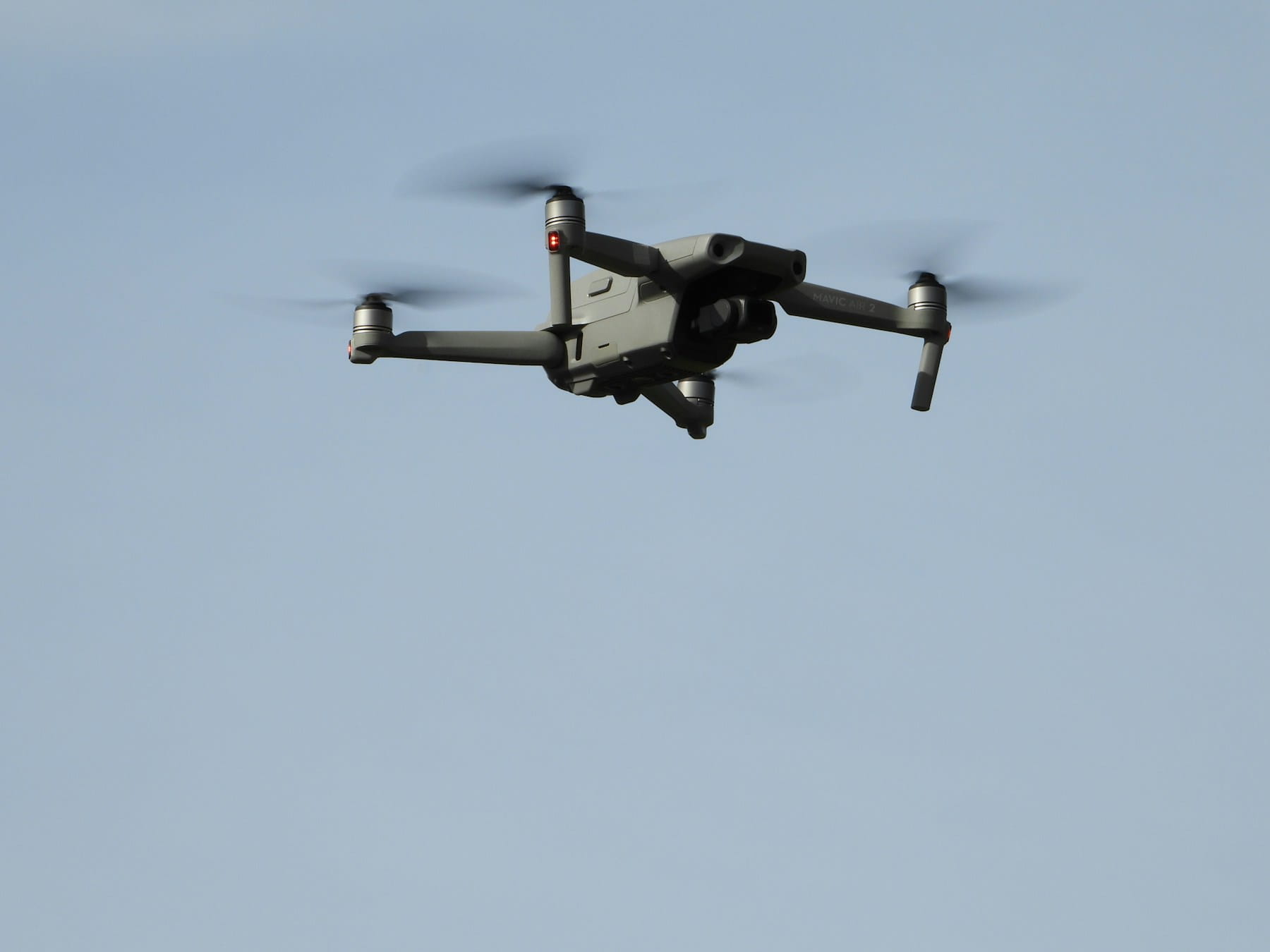
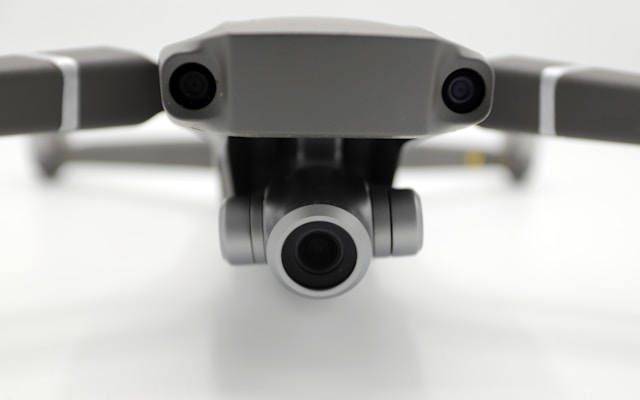
Discover how AI-powered automation is revolutionizing drone operations management in 2025, from intelligent flight planning and automated compliance to real-time data processing and autonomous workflows that save time and reduce operational costs.
Commercial drone operations in 2025 face a paradox. The technology has never been more capable, yet operators struggle with mounting administrative burdens, complex compliance requirements, and the operational overhead of managing expanding fleets. Pilots spend more time on paperwork than actually flying.
Artificial intelligence and automation technologies are changing this equation. What once required hours of manual planning, documentation, and analysis now happens automatically in minutes. According to Markets and Markets research, the AI in drones market is projected to reach $2.75 billion by 2030, growing at 27.4% annually. The autonomous drone market is expected to hit $25.24 billion by 2025.
AI-powered flight planning and optimization
Traditional flight planning is a grind. Operators manually define waypoints, check airspace restrictions, calculate battery requirements, and verify compliance with dozens of parameters. AI systems automate these tedious processes and often generate better flight plans than experienced pilots.
Path optimization used to require considering terrain elevation, obstacle locations, wind forecasts, lighting conditions, and mission objectives separately. Now AI analyzes all these variables at once. A flight plan that takes an experienced operator 30 minutes to create manually happens in seconds with AI.
When conditions change mid-flight, AI recalculates routes in real-time. If winds shift during a mission, the system adjusts the path to maintain safety margins while completing objectives. Understanding flight planning best practices helps operators make the most of automation.
AI makes multi-drone coordination actually practical. Planning simultaneous operations with multiple aircraft means juggling safe separation, coverage optimization, and battery constraints across the fleet. Doing this manually is nearly impossible at scale. Streamlining mission planning becomes critical as fleets grow.
Compliance checking runs automatically during flight planning. The AI checks planned operations against current airspace restrictions and operational limits. When a mission would violate regulations, the system flags it and suggests modifications. Compliance management systems integrate directly with automated planning.
Automated compliance and regulatory management
Regulatory compliance is probably the most frustrating part of commercial drone operations. Requirements vary by jurisdiction, change constantly, and demand meticulous documentation. AI automation turns this burden into something that just happens in the background.
Certification tracking monitors expiration dates for pilot licenses, aircraft registrations, and operational approvals. The system alerts you well before renewals are due and can even pre-fill applications. No more discovering an expired license the morning of a big flight.
Regulatory updates happen constantly, and AI systems keep up automatically. They monitor regulatory agency announcements and update compliance checking rules without you lifting a finger. Instead of wading through dense legal documents, you get plain-language summaries of how changes affect your operations.
Flight log generation is another time sink that AI eliminates. The system automatically captures flight details, pilot information, weather conditions, and operational parameters. Everything gets formatted into compliant logs that meet regulatory requirements.
Requesting airspace authorization used to mean filling out forms and waiting. AI automates the process by understanding which operations need advance authorization, generating properly formatted requests, and tracking approval status. For BVLOS approvals or special authorizations, automation cuts through red tape.
Working across state lines or internationally? AI adjusts compliance checking based on where you're operating. Understanding various regulatory frameworks becomes manageable instead of overwhelming.
Intelligent resource allocation and scheduling
Scheduling gets messy fast when you're coordinating multiple pilots, aircraft, sensors, and competing projects. AI turns this chaos into an optimized process.
Automated scheduling handles far more variables than any human can juggle: pilot certifications, equipment maintenance schedules, battery charge states, weather forecasts, client priorities, and travel times. The result? Schedules that maximize productive flight time while staying compliant.
Predictive maintenance is a game changer. Machine learning algorithms spot patterns in flight data that signal a component is about to fail. Instead of reacting to breakdowns, you schedule maintenance during natural gaps. Fleet maintenance management shifts from reactive firefighting to proactive planning.
When weather grounds a mission, AI instantly finds alternative time slots, reassigns resources, and notifies everyone involved. No more cascade of phone calls and last-minute scrambling.
Pilot workload gets balanced automatically. The system tracks individual pilot activity and prevents situations where some pilots are overworked while others can't maintain currency. Pilot flight hour tracking integrates with scheduling to keep everyone current.
Automated data processing and analysis
Drones capture tons of data, but it's useless until someone processes and analyzes it. AI automation transforms raw sensor data into actionable insights without the manual grind.
Image processing handles all the tedious sorting and organizing. The AI separates usable images from blurry or poorly exposed shots. Geotagging and organizing by project, date, and location happens without you touching a thing.
Defect detection for infrastructure inspections is where AI really shines. Systems trained on thousands of examples spot cracks, corrosion, and other anomalies faster and more consistently than human reviewers. You review what the AI flags instead of examining every single image.
Measurement extraction from photogrammetric data used to require specialized skills. Now it's automatic. Construction progress monitoring calculates stockpile volumes and progress percentages on its own. Construction applications that once needed expert photogrammetrists can now be handled by general operators.
Change detection between surveys happens automatically. The system highlights what changed, how much it changed, and where. Large data sets get condensed into concise summaries you can actually use.
Report generation pulls everything together. Processed data, analysis results, and standardized text combine into professional client deliverables. Hours of manual document prep become minutes of review and customization.
Autonomous flight systems and drone-in-a-box
Fully autonomous operations are the next frontier. These systems eliminate the need for on-site pilots while enabling persistent monitoring and rapid response. Drone-in-a-box takes it further by combining autonomous flight with automated deployment and recovery.
Autonomous navigation means the drone plans and executes missions on its own. You give it high-level objectives, and it figures out the flight path, navigates to the location, captures data, and returns safely. No pilot required.
Drone-in-a-box systems house aircraft in weatherproof enclosures with built-in charging. When conditions are right and a mission is scheduled, the system opens up, launches the drone, runs the mission, recovers the aircraft, and closes back up for protection. All automated.
This makes persistent monitoring actually practical. Infrastructure like power lines, cell towers, and wind turbines can be monitored on regular schedules without sending crews out each time.
Beyond Visual Line of Sight (BVLOS) operations are becoming real with proper regulatory approvals. In January 2025, DroneDeploy received nationwide BVLOS approval in the US, showing how regulations are catching up. AI-powered detect-and-avoid systems handle the safety requirements for long-distance operations. Understanding BVLOS regulations is still important, even with autonomous capabilities.
ROI and business impact of automation
AI and automation require upfront investment, but the returns are real. Here's where operators see the most value.
Time savings hit immediately. Flight planning time drops 70-80%. Post-flight data processing that took days now finishes in hours. When you're billing $150-300 per hour, those time savings turn directly into billable capacity and revenue.
Labor costs stay manageable as you grow. Automation handles routine tasks that would otherwise need administrative staff. A fleet can scale with existing people supported by AI instead of hiring schedulers, data processors, and compliance managers.
Error reduction prevents expensive mistakes. Automated compliance checking catches violations before they happen. Quality control flags data issues before clients see them. One regulatory violation or lost client relationship often costs more than your entire automation investment.
Competitive advantage comes from speed and quality. Operations that deliver processed data hours after flights instead of days later charge premium prices and keep clients longer.
Capacity expansion happens without proportional cost increases. You handle more projects with the same resources, improving margins while revenue grows. Scaling strategies now depend on automation.
According to Mordor Intelligence, the global drone software market is expected to hit $18 billion by 2030, driven largely by operations management and automation platforms solving these exact problems.
Getting started with AI automation
Start small and scale up. Going all-in on automation before you're ready creates more problems than it solves.
Phase it in gradually. Pick the most time-consuming manual process first. Flight planning automation usually delivers the quickest wins because the time savings are immediate and obvious.
Work with your existing setup. Look for platforms that integrate with your current equipment and procedures. Good operations software should make your workflows better, not force you to rebuild everything from scratch.
Get your team on board. Some people will resist change. Be clear that automation helps them do their jobs better, not that it's replacing them. Hands-on training builds confidence faster than documentation ever will.
Track what matters. Measure time per task, error rates, and operational costs before and after automation. Real numbers prove ROI and justify continued investment.
In Summary
AI and automation are changing how commercial drone operations work. Manual processes that ate up hours now happen automatically in minutes. Flight planning, compliance management, data processing, and even autonomous flight are becoming standard capabilities instead of futuristic concepts.
The business case gets stronger as competition heats up and client expectations rise. Operators delivering fast turnaround, quality data, and transparent processes are winning. Those stuck on manual workflows are hitting capacity walls and margin pressure.
Implementation takes planning and effort, but the returns are worth it. Time savings, fewer errors, expanded capacity, and competitive advantages add up to better economics and sustainable growth.
Ready to Automate Your Drone Operations?
Join forward-thinking operators who are leveraging AI-powered automation to scale their businesses while reducing operational overhead. DroneBundle integrates intelligent flight planning, automated compliance tracking, smart scheduling, and comprehensive operations management in a platform designed specifically for commercial drone operations.
Start your free trial today — no credit card required.
Or book a demo to see how DroneBundle's AI-powered features can transform your flight planning, compliance management, fleet operations, and data monitoring workflows.